
Singapore is very good at helping you get things done. The trains arrive on time, the signs point exactly where you need to go, and a well-planned day can take you through three neighborhoods, two meals, and an attraction before dinner. I admire that. But after a few days of moving efficiently through the city, I often feel I’ve covered a lot of ground without really landing anywhere.
Studio Asobi is where I go to land. If you’re searching for a pottery studio in Singapore, this is a small home studio in Hougang that offers a relaxed, playful session built around hand building, with a short wheel-throwing trial, in small appointment-only workshops.
If you’re gathering more ideas for days like this, read more here.
Getting to Studio Asobi Pottery Studio in Singapore
The studio sits at Block 705 Hougang Avenue 2, #02-265, Singapore 530705, in Singapore’s quiet northeast.
The nearest station is Kovan MRT on the North East Line. From there, follow the arrival instructions the studio sends when it confirms your booking. I’d keep that message handy rather than relying on a map. Housing estates have their own logic, and the block numbers don’t always reveal themselves in the order you’d expect.
The first time I went, I left myself too little time and arrived slightly flustered, which is a strange way to begin an afternoon about slowing down. Now I come early. I get a drink near Kovan, walk a little, and let the estate set the tone. Laundry hangs from windows, aunties carry shopping home, and children cut across the void decks. It’s ordinary residential Singapore, and that ordinariness is part of the experience.
Bring an umbrella in the rainy months. The class itself is indoors, but the walk between the bus stop and the block is not.
Arriving at a Home Pottery Studio
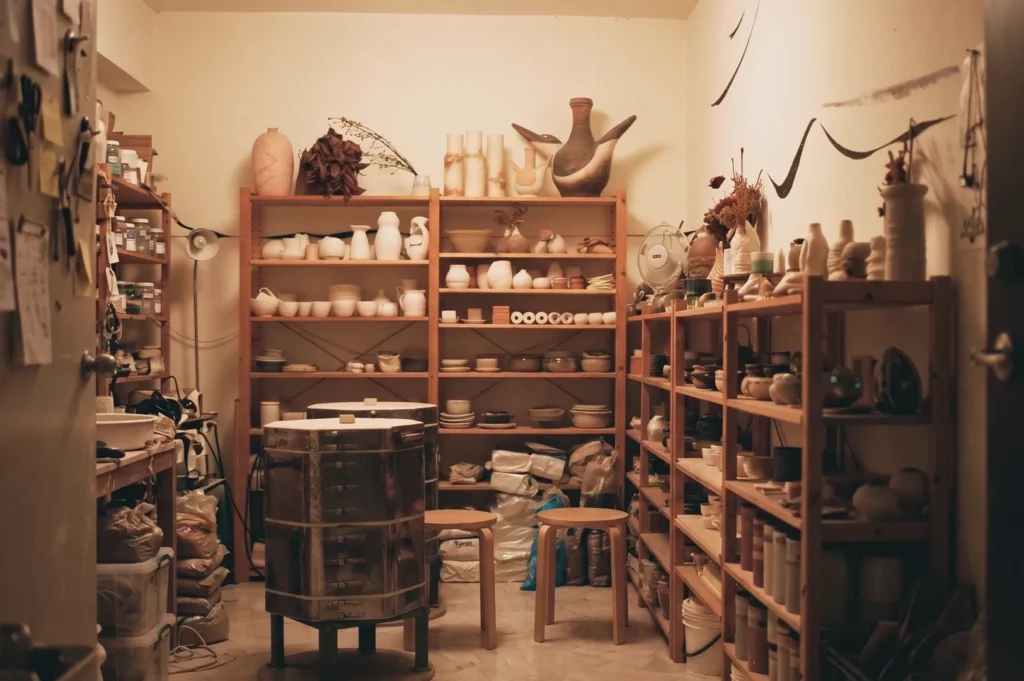
This is the most important thing to understand before you book: Studio Asobi is a home studio, and it’s appointment only. You can’t walk in, and interested visitors need to book ahead because it doesn’t keep shop-style opening hours. You’re stepping into someone’s working space, and it feels that way.
It’s a cosy pottery studio, warm and lived in rather than polished, while still feeling very much like a home studio. There are shelves of pottery pieces in various stages of becoming, a play area with books, games, and musical instruments, and snacks and drinks set out for you. There are also two cats. They generally keep to themselves, but if you have allergies, it’s worth knowing before you go.
Sessions are deliberately small. You’re one of a few people around a table, all slightly unsure what you’re doing, and that shared uncertainty breaks the ice faster than any introduction.
What the Living Clay Pottery Workshop Feels Like
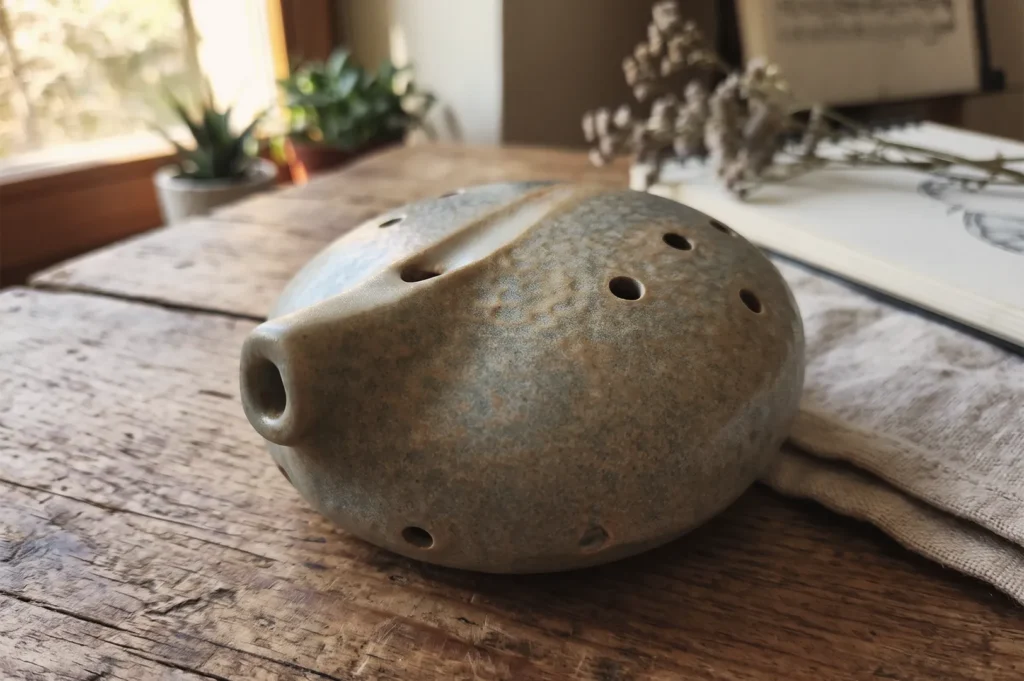
The three-hour Living Clay Pottery Workshop is the one I recommend to travelers. It’s designed for complete beginners, and it’s built around a simple idea: give people a way into making that they can actually manage in one afternoon.
Hand Building First
The workshop centers on hand building and coiling rather than the wheel, and these basics include common handbuilding styles. You make one vessel, such as a cup, bowl, or small planter, by rolling, pressing, and stacking clay with your fingers.
I was skeptical of this at first. Hand building sounded like the modest option. It isn’t. It’s slower and more forgiving, and it leaves room for your own decisions about shape. You roll a coil, lay it down, smooth the seam with your thumb, and do it again. A wall starts to rise, then leans a little. You correct it, and it leans the other way as the shaping process helps you create the vessel by hand.
Somewhere in the first hour, I always stop thinking about anything beyond the clay. That’s the quiet gift of these pottery classes. Your hands are busy, the hand-building process narrows your attention, and your phone sits face down without much protest. There is a quiet joy in making something this way.
And if you’d like to shape an entire trip around this pace, start with a slow Singapore travel itinerary for unhurried days.
The Wheel Throwing Trial
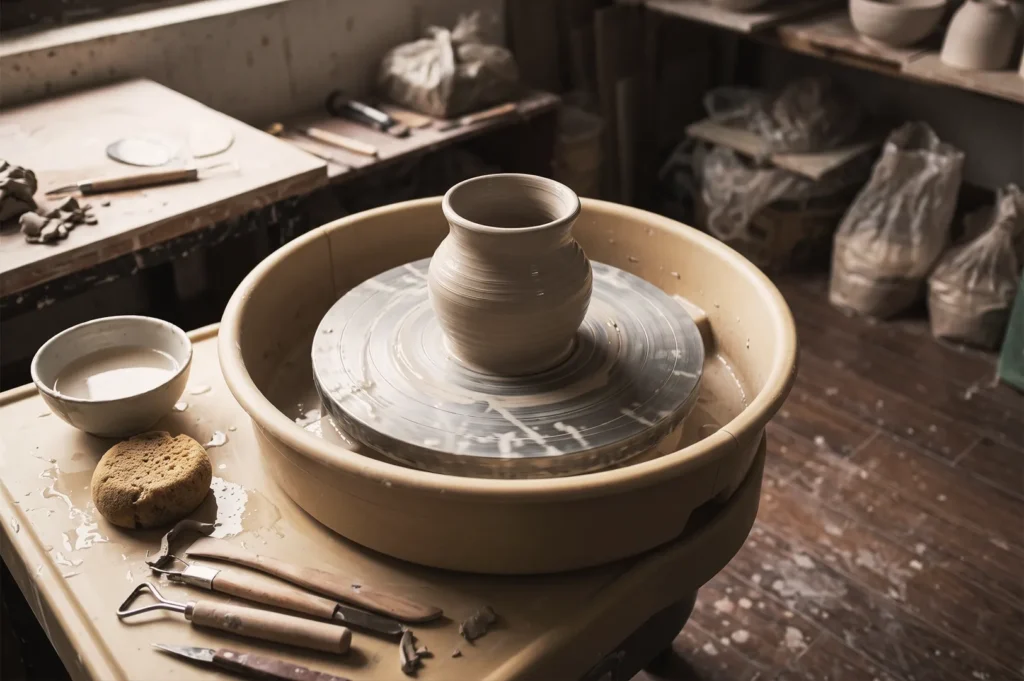
Toward the end, you get a short hands-on trial at the electric potter’s wheel. It’s the part most people picture when they think of pottery, and it’s thrilling in a completely different way as you discover what the wheel feels like for the first time. The clay spins, the wet surface slides under your palms, and everything happens faster than you expect.
The studio keeps wheel throwing as a taste rather than the main event, because it uses a spinning wheel to create more symmetrical pieces and is much harder to learn in one sitting. After my first attempt, I understood exactly why, even with an instructor guiding the trial. The trial usually produces your own cup. If you want to keep it, glazing and firing cost an extra. I didn’t keep mine the first time. On a later visit, I did, partly because it was lopsided in a way I’d grown fond of.
The Pauses in Between
What I remember most aren’t the techniques. It’s the breaks, with a little room to rest: a drink at the table, a cat drifting past, someone laughing at a bowl that had quietly folded in on itself. It’s that feeling of being a guest rather than a customer. Three hours sounds long until you’re there. Then it doesn’t, and those pauses are part of what makes the workshop fun.
Pottery Workshop Prices and What’s Included
The Living Clay Pottery Workshop costs an estimate of S$95 per person. That includes:
- The three-hour session, including preparation and clean-up
- Clay, tools, and equipment
- One finished hand-built vessel
- Glazing and firing (pieces are fired twice and food-safe afterward)
- The electric-wheel trial
- Snacks and drinks
The only optional extra is the S$25 wheel-thrown teacup. Additional or larger pieces are priced by size. I’d resist the urge to add more. One piece you made carefully means more than three you hurried.
For groups, private sessions start at a minimum. If you live in Singapore or are staying for months, the studio also runs regular courses at S$75 per session, with firing charged separately at S$4 per 100g. Alongside those services, experienced potters can use open studio time. Neither suits a short visit, but they’re worth knowing about.
Pottery Pieces Take Time
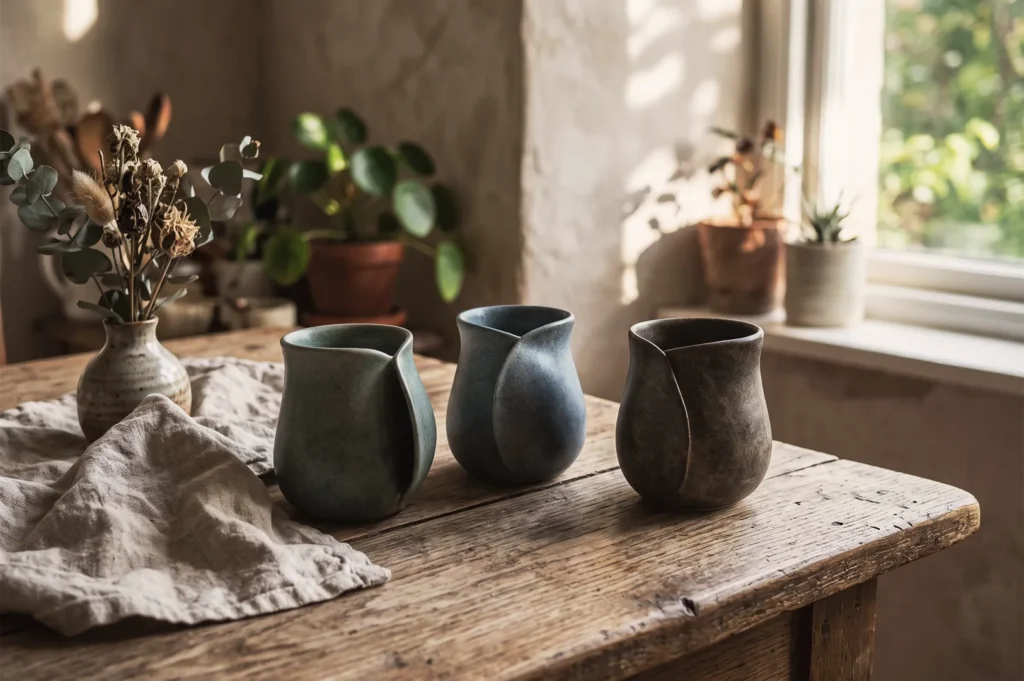
You don’t leave with your pottery. The studio advises that finished pieces are collected later, after drying, glazing and firing; ask for the current turnaround time when booking. That’s notably quicker than some mall-based studios. At Taoz Ceramics Studio, turnaround times vary considerably between studios.
If you’re flying out sooner, raise collection or shipping with the studio before you book. Don’t assume either can be arranged.
I’ve come to like the wait. The afternoon ends, the trip carries on, and then, weeks later, a small, imperfect cup arrives as a reminder.
When to Book Your Pottery Classes
Workshops run mainly on Saturday afternoons, 2:30 to 5:30pm. Some weekday sessions are available depending on the program, and weekday mornings can sometimes be arranged on request. Because Saturday is the main workshop day, it’s also the most requested, so book early.
My preference is a weekday session if you can find one. The neighborhood is calmer, and the afternoon opens up afterward. If Saturday is your only option, it’s still lovely. Just don’t schedule anything tight afterward.
Bookings are confirmed manually, so check your spam folder if nothing arrives. You can reschedule or cancel up to 24 hours before your session. After that, the full fee applies.
Realistic time estimates:
- The workshop itself: three hours, with no shortcut version
- Travel from central Singapore: allow extra time for the MRT, bus, and finding the block
- The unrushed version: three hours of class plus one or two empty hours afterward for dinner nearby and a slow walk home
What to Wear and Bring
- Clothes you don’t mind getting clay on. Pants or shorts work well, along with sleeves you can push up.
- Short nails. This one I learned the hard way. Long nails dig grooves into soft clay and make coiling awkward.
- An umbrella for the journey during wet weather.
- An open mind. Your first bowl or plates may look imperfect, and that is completely normal for beginners.
You don’t need to bring tools, an apron, or any equipment.
A note on accessibility: the studio is on the second floor of a residential block, and the work involves sitting at a table and using your hands and arms for an extended period. If you have mobility needs, allergies, or other concerns, contact the studio before booking rather than assuming, so you can focus on the experience and your creativity.
Who Studio Asobi Suits, and Who It Doesn’t
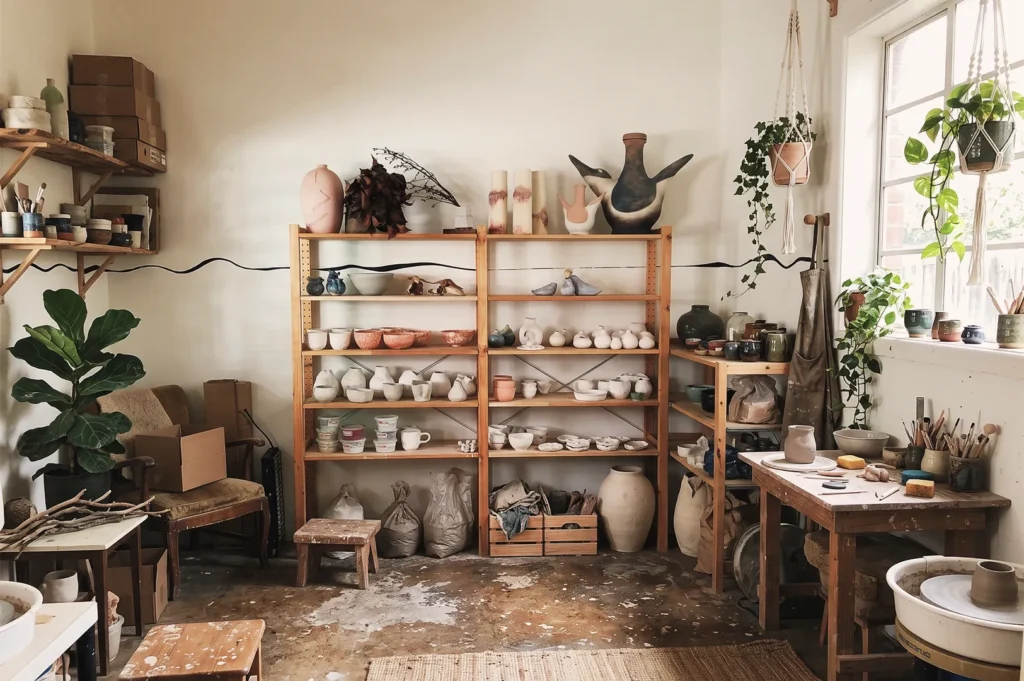
Asobi is the Japanese word for play, and the name tells you most of what you need to know. This isn’t a place for learning pottery the way you’d learn a skill for work. It’s a small home pottery studio in Hougang, run by full-time potters Kenneth and Huiwen since 2014, where the point is to sit down, get your hands dirty, try something, and see what happens.
It suits couples looking for a quieter date, solo travelers, because small groups make it easy to join alone, and friends tired of meeting over another coffee. It also suits families with children aged 7 and up, accompanied by an adult, and can be especially enjoyable for kids within that guidance. Overall, it works for a wide range of ages rather than just one type of visitor. And I think it’s especially good for repeat visitors who’ve already seen Marina Bay and Chinatown and want a different way to spend time in the city.
It’s less suited to anyone on a short stopover, because a trip to Hougang plus three hours of clay is a real commitment. It’s also not ideal if you need your souvenir immediately, or if you’re hoping to master wheel throwing. This is better for people interested in pottery making as art and play than in mastering advanced technique immediately.
Three Hours of Play
Slow travel doesn’t always mean doing nothing. Sometimes it means doing one thing with your full attention. Studio Asobi asks very little of you: sit down, touch the clay, try something, laugh when it collapses, and try again.
You won’t leave Studio Asobi having seen more of Singapore. You’ll leave having spent three hours actually being somewhere, with clay still under your fingernails.