The first time someone visits Singapore, they usually ask for a list. Marina Bay Sands. Gardens by the Bay. The light show over the water at night. All of it is worth seeing once. But after years of living here, I’ve noticed something. The places I actually return to are never the ones on the postcards.
This is not a checklist of famous landmarks. It’s a quieter collection — the corners I go back to when I want to feel the city rather than tick it off. If you’re building a Singapore itinerary and want more than photos, these are five things to do in Singapore that reward you for slowing down. Discover more at Unrushed Places.
1. Tiong Bahru — The Neighbourhood That Asks You to Arrive With Time
How to get there: Tiong Bahru MRT (about 8–10 minutes’ walk to the older blocks)
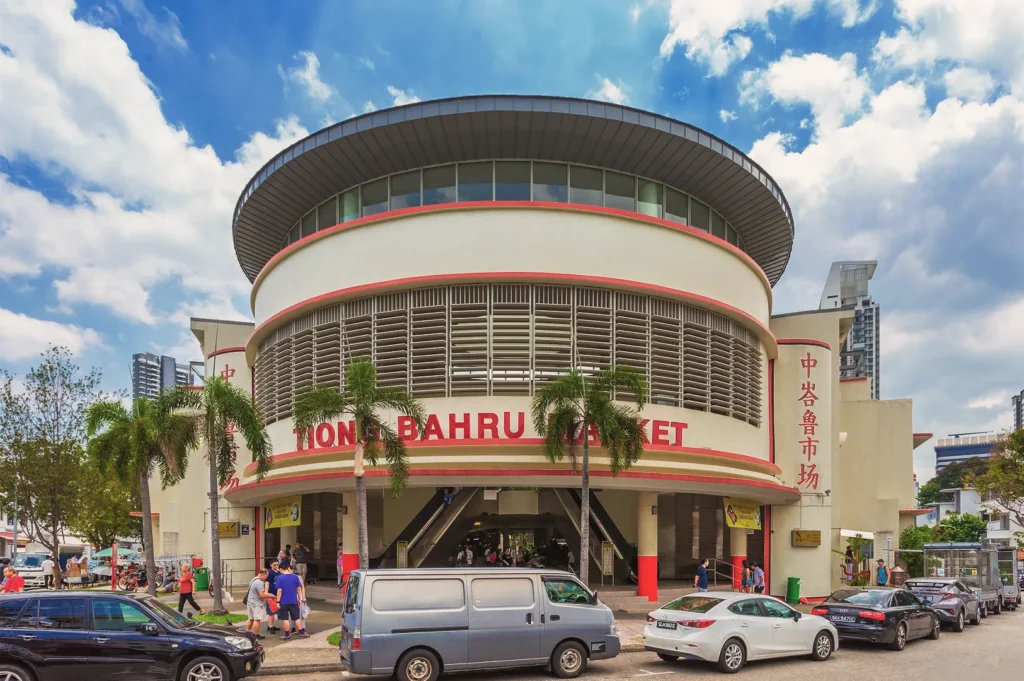
I always tell people the same thing about Tiong Bahru: don’t come with a plan. This is one of the few places where the joy comes from having nowhere to be. There’s no single attraction. Instead, there’s the slow accumulation of small things — the curved Art Deco apartment blocks, the murals tucked into side lanes, the elderly residents who gather downstairs in the morning light.
I usually start with kopi at one of the old coffee shops inside Tiong Bahru Market. A traditional cup runs about $1.40 to $1.80, poured strong and sweet. Downstairs there’s a hawker centre where you can sit with chwee kueh or a plate of chicken rice and let the neighbourhood wake up around you. Unlike the polished cafés a few streets over, the market feels unhurried and real. Nobody is rushing you out.
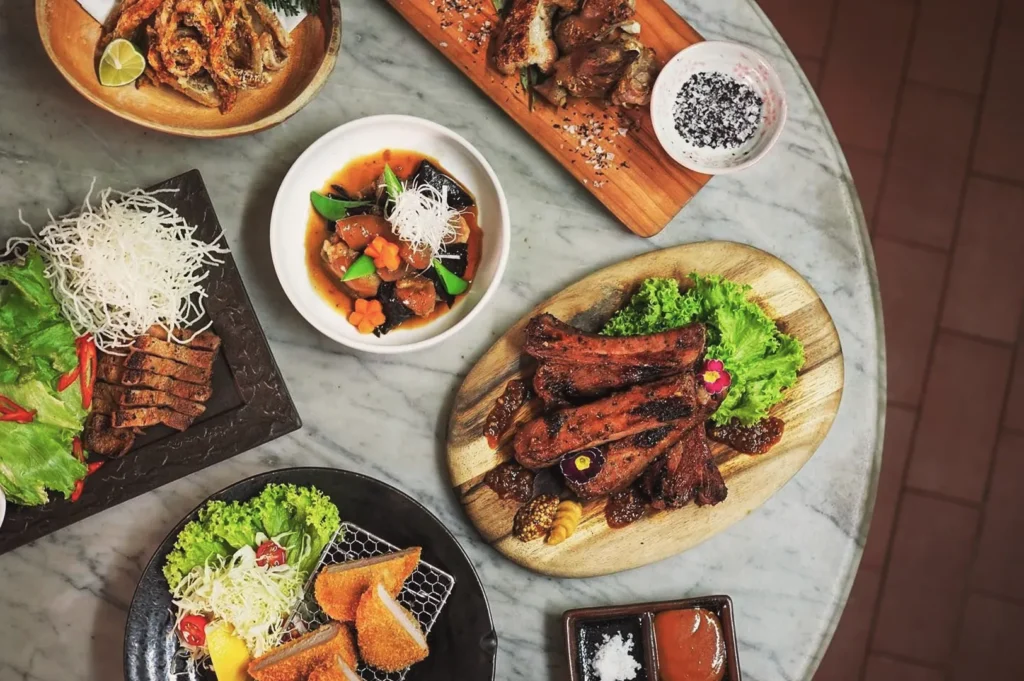
Then I wander. The independent boutiques here are worth the slow browse — small bookshops, a record store, design studios run by people who clearly love what they sell. These aren’t the kind of shops you find in a mall. They reward curiosity more than spending. If you enjoy taking photos, the morning light on those white curved façades is gentle and forgiving.
Come here if: A slow morning of wandering, kopi, and independent boutiques with no fixed route.
Not your pace if: You want big-ticket attractions or a packed schedule. This is a place for lingering, not sightseeing.
Before you go: Come before 10am on a weekday. The market is livelier, the popular bakery hasn’t sold out its morning bake, and the streets belong to residents rather than tour groups.
2. Pulau Ubin — The Singapore That Time Forgot
How to get there: Tanah Merah, then a bus to Changi Point Ferry Terminal near the airport, then a bumboat across (10-minute crossing)
Getting to Pulau Ubin is part of the point. You take a bumboat from the Changi area, not Changi Airport — a small wooden ferry that leaves when it fills up, roughly $4 each way. If you’re coming through Jewel Changi Airport first, it’s worth a quick stop for the world’s tallest indoor waterfall before heading over. There’s no timetable in the way you’d expect. You wait, you board, you cross. And in those ten minutes on the water, the skyline you know starts to disappear behind you.
The island moves at bicycle speed. I rent a bike near the jetty, usually around $8 to $15 for the day, and I cycle without a fixed route. Old kampong houses sit among the trees. Chickens cross the dirt paths. This is a version of Singapore that existed before the towers — one of the last places where you can feel what the country was like decades ago. It’s easy to forget you’re still within city limits.
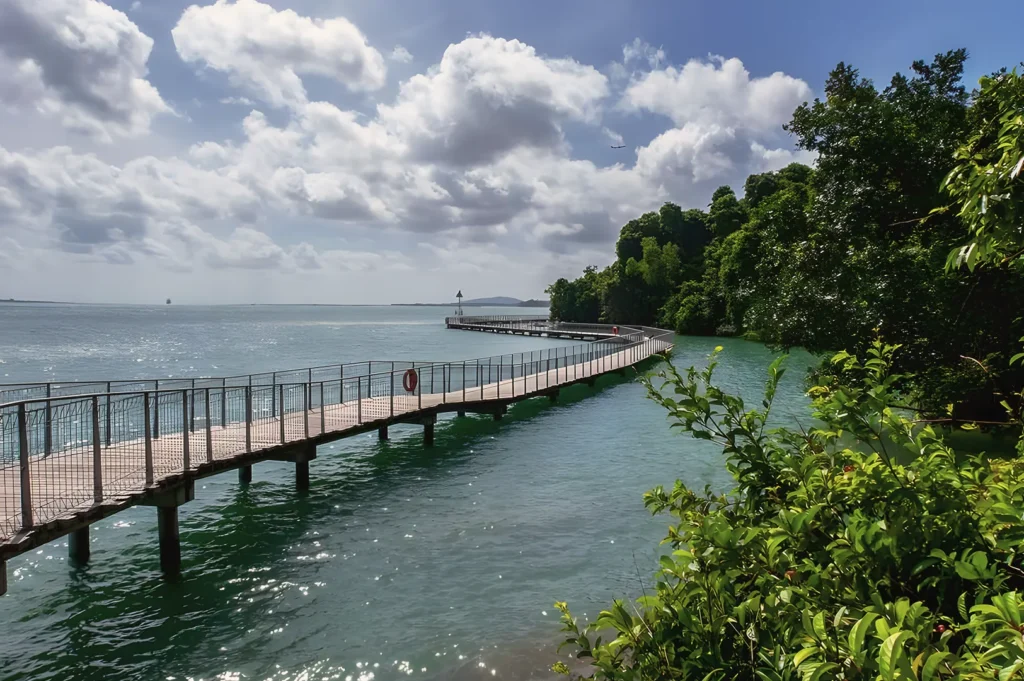
My favourite stretch is Chek Jawa Wetlands, where mangroves meet the sea and the whole place shifts with the tides. There’s a boardwalk that loops out over the water, and if you time it right, the low tide reveals crabs, mudskippers, and small marine life doing their quiet work. Afterwards, a few local seafood restaurants near the village serve simple, honest plates. The tropical climate means you’ll sweat, so bring water and go slow.
Come here if you: Cycling, nature, and a complete escape from modern Singapore’s pace.
Leave this one if: You need air-conditioning, smooth roads, or predictable schedules. The island is rough around the edges, and that’s exactly its charm.
One more thing: Go early and check the tide chart before you leave. Chek Jawa is far more alive at low tide, and the midday heat here is stronger than in the city.
3. Joo Chiat, Katong & Kampong Glam — Heritage That’s Still Being Lived
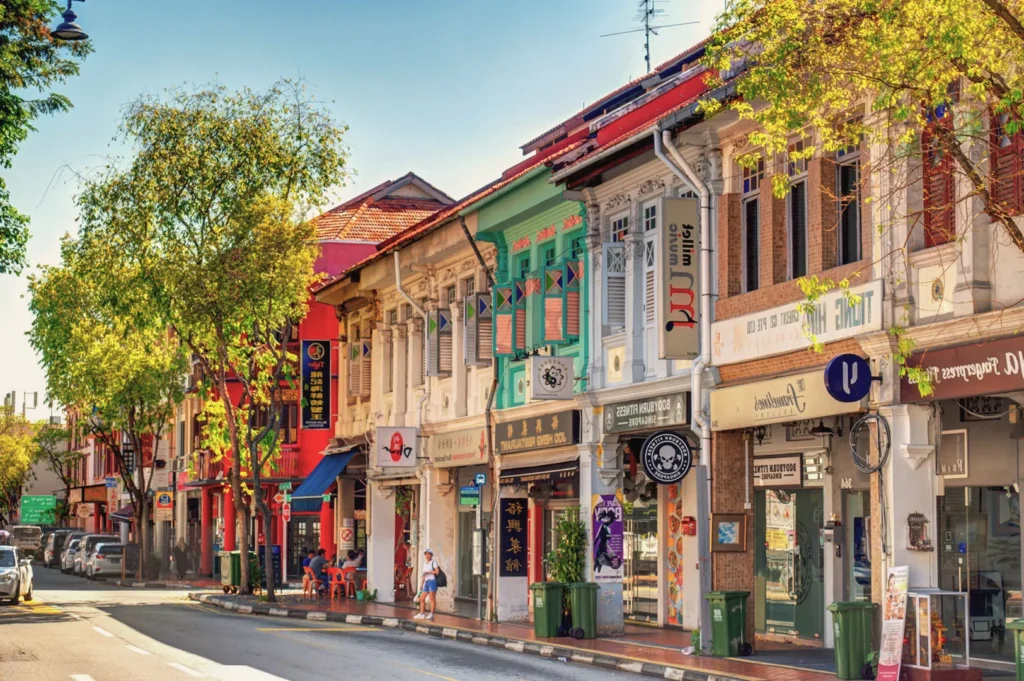
How to get there: Eunos or Marine Parade for Joo Chiat and Katong; Bugis for Kampong Glam (all within a 10–15 minute walk)
Most guides treat heritage like something behind glass. These neighbourhoods prove otherwise. Joo Chiat and Katong show Peranakan culture as it’s actually lived — in the colourful shophouses, the family-run businesses, the traditional dishes still cooked the old way. I like to walk here without a destination, letting the side streets pull me along.
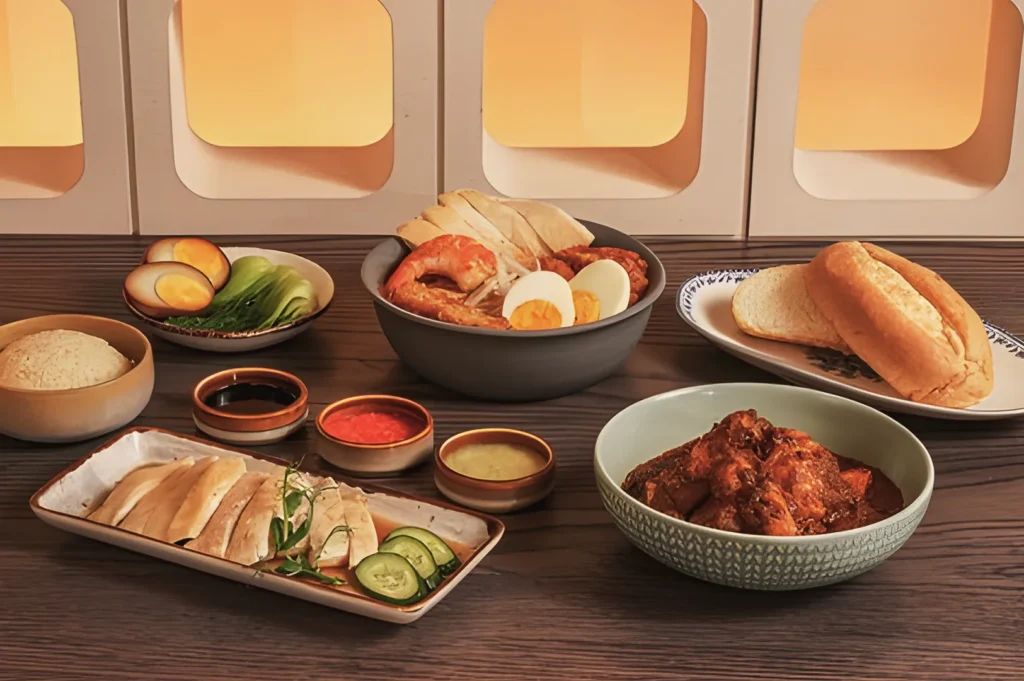
The shophouse façades are the obvious draw. Rows of them, painted in soft greens and pinks, their tiled fronts telling stories of the families who built them. But the real reward is the food. Katong is where you go for laksa, and a bowl runs around $6 to $8 — rich, coconut-heavy broth that locals argue about endlessly. Nearby hawker centres serve everything from chicken rice to kaya toast, and none of it is dressed up for visitors. It’s just what people eat.
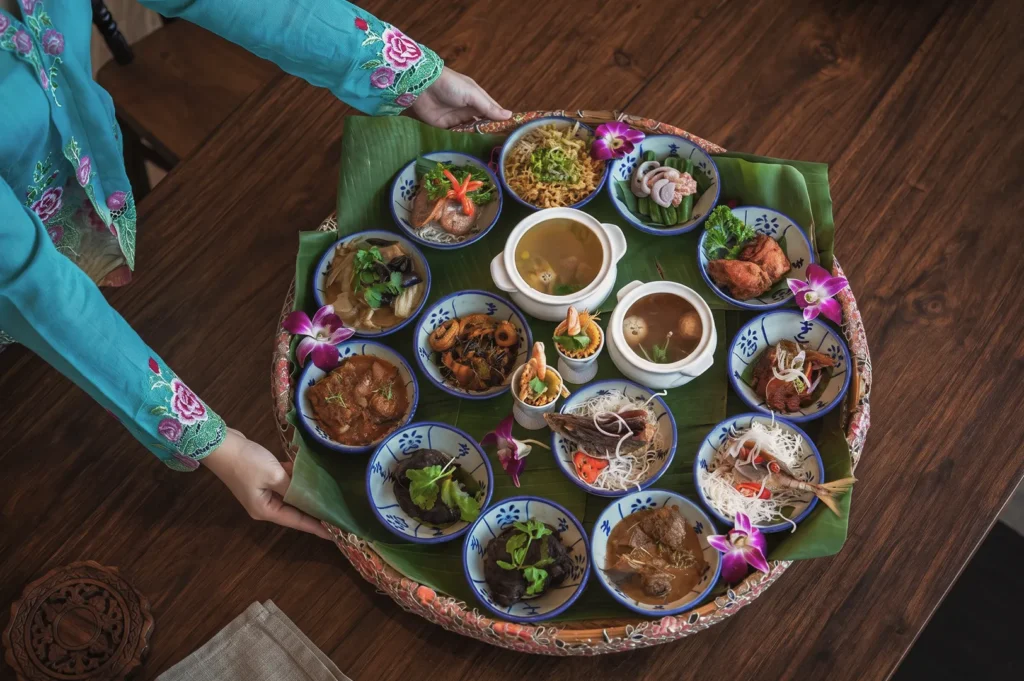
Kampong Glam carries a different rhythm. Arab Street is lined with textile shops and small independent boutiques. Kampong Glam is centered around the Sultan Mosque, the area’s main landmark. Pair it with Little India for a longer walk through colorful shops and local spices. The lanes behind it hold cafés and quiet corners for a mid-afternoon break, and together these districts show how layered culture feels in this part of Southeast Asia. Not far from here you’ll find some of Singapore’s older historical sites and places of worship woven into daily life. If you cross the city toward Chinatown on the same trip, Sri Mariamman Temple — the oldest Hindu temple here — and the Buddha Tooth Relic Temple, built in 2007, are both worth the slow visit, their presence rising above the shophouses. These are living historical sites, not museums, and that’s what makes them feel honest.
Come here if: Living heritage, local dishes, and a walk through neighbourhoods that carry their memories forward.
Not your pace if: You’re short on time. This area rewards a half-day of unhurried wandering, not a quick photo stop.
One thing I’d tell a friend: Eat before the lunch rush. The best laksa stalls in Katong build a queue by 12:30, and the older aunties running them don’t extend their hours for anyone.
4. The Southern Ridges — Nature Inside the City
How to get there: Telok Blangah or HarbourFront (5–10 minutes to trail entrances)
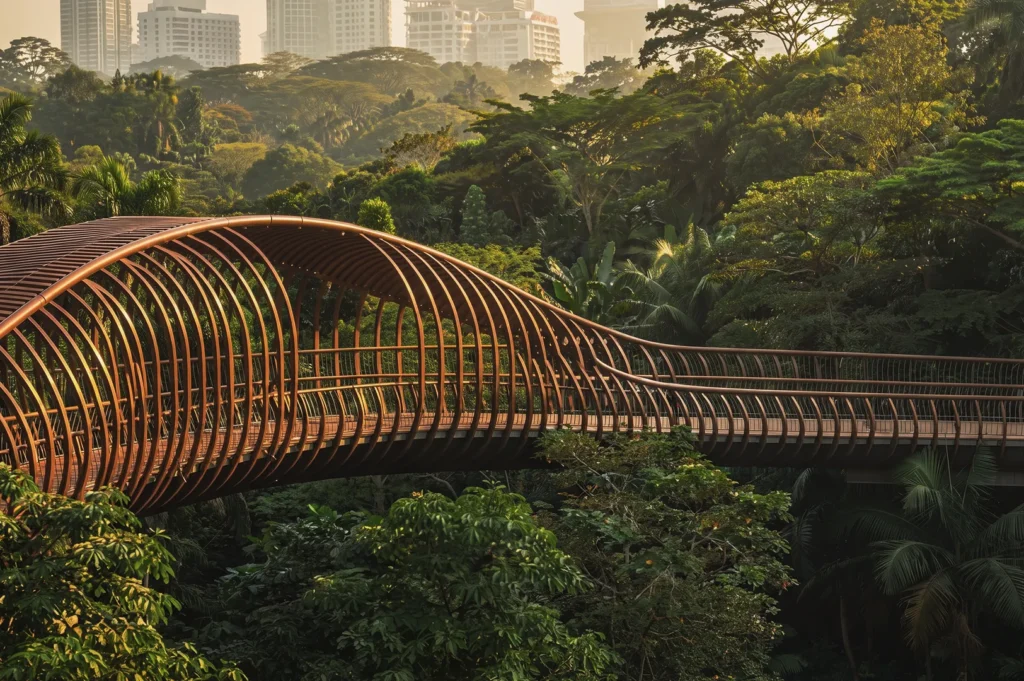
Singapore’s relationship with nature is one of its most surprising stories, and the Southern Ridges tells it well. This is a chain of walking trails connecting Mount Faber Park to Kent Ridge Park, threaded together by bridges and elevated paths. The route spans almost 10 kilometers and takes about two hours to walk in full. You get greenery, canopy, and quiet — all without leaving the city. On a good morning, the loudest sound is the wind moving through the trees.
The centrepiece is Henderson Waves, the highest pedestrian bridge in Singapore, its timber form curling in slow waves overhead. I like to walk it early, before the heat settles in, when the light comes low through the forest. There are viewpoints along the way where you can stop, catch your breath, and look out over the harbour and the city beyond. Bird watching is genuinely good here if you move slowly and stay patient.

What I appreciate most is that the Southern Ridges asks nothing of you. There’s no ticket, no queue, no rush. You can walk the full stretch or just a section. Come evening, some of the higher points offer a distant view of Singapore’s skyline as it starts to glow — a gentler alternative to fighting the crowds at the waterfront light show downtown. And if you want to extend the day, Fort Canning Park and its own walking trails sit a short ride away, a green pocket layered with World War II links, while the nearby national museum uses storytelling and personal accounts to explore Singapore’s history.
Come here if: Morning walking trails, quiet viewpoints, and nature without leaving the city.
Leave this one if: You dislike heat or humidity. Even shaded, the tropical climate makes midday walks heavy going.
Something I’d tell a friend: Start from the Telok Blangah side and walk toward HarbourFront. You’ll finish near shops and food, and you’ll have the sun behind you for most of the morning — better for both comfort and taking photos.
5. East Coast Park — Where Singapore Lives Its Everyday Life
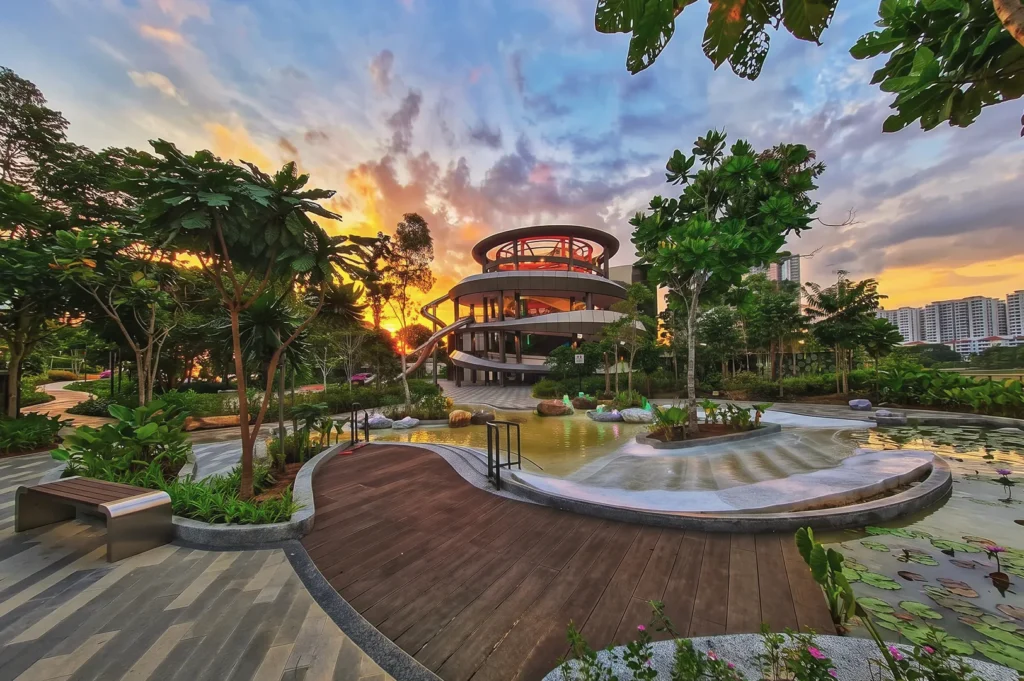
How to get there: Access varies by section; Marine Parade MRT, Bedok MRT, and buses are common options.
East Coast Park isn’t a must-see attraction in the usual sense. There’s no landmark, no entrance fee, no queue. Its value is quieter — it’s where Singaporeans go to spend ordinary time. It’s also one of the easiest free things to enjoy in the city. Families cycling. Uncles fishing. Groups gathered over food as the sea moves in the background. If you want to understand a city, watch where people go when they have nowhere else to be.
I usually rent a bicycle here — around $8 to $12 an hour — and ride the long coastal path with no particular goal. But even without renting one, strolling the promenade and watching the waterfront are free activities once you’re here. The sea sits on one side, the casuarina trees on the other, and the whole park stretches out for kilometres. It’s flat, easy, and made for wandering. Come sunrise or sunset, the light over the water is soft and worth arriving early or staying late for.
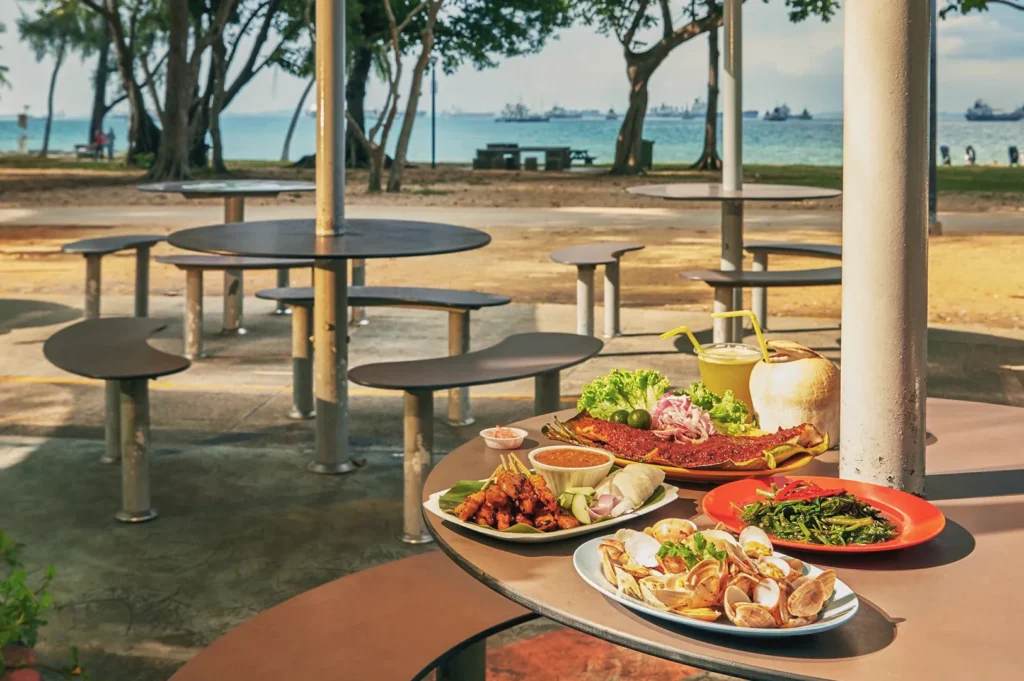
And then there’s the food. East Coast is one of the best places to eat chilli crab, cracked open with your hands at an outdoor seafood spot while the breeze comes off the sea — expect around $60 to $80 for a crab shared between two or three people. There are hawker options too if you want something simpler. This is fun things to do in Singapore stripped down to its honest core: a bike, the sea, a plate of something messy, and no reason to hurry.
Come here if: Cycling, seafood, and watching everyday Singapore life unfold by the water.
Leave this one if: You want convenient MRT access or a compact visit. Getting here takes a little effort, and the park is large.
Something worth knowing: Come for chilli crab at sunset on a weekday. Weekends get crowded and loud, but a quiet weekday evening by the sea is one of the city’s simplest pleasures.
Classic First-Time Attractions and Experiences in Singapore
If you’re visiting Singapore, keep the famous sights on your list. See them once. A classic first-time route can also include the singapore botanic gardens, an 82-hectare unesco world heritage site known for its orchid garden. The city also covers major attractions such as singapore zoo, known for its open-concept design, and night safari, the world’s first nocturnal wildlife park with over 2,500 animals.
Sentosa Island is an easy add-on for first-timers because of sentosa island’s beaches and major theme parks. Resorts World Sentosa is one of the island’s biggest draws, and adventure cove waterpark is a good pick for families. The national gallery, housed in city hall and the old supreme court, is another strong stop if you want more culture.
For an evening out, head toward the singapore river and clarke quay for riverside dining and nightlife. Stop by Raffles Hotel for a singapore sling; the cocktail originated there in 1915. But leave room for the slower stops too. Arrive with time instead of a checklist.
The City Rewards Those Who Slow Down
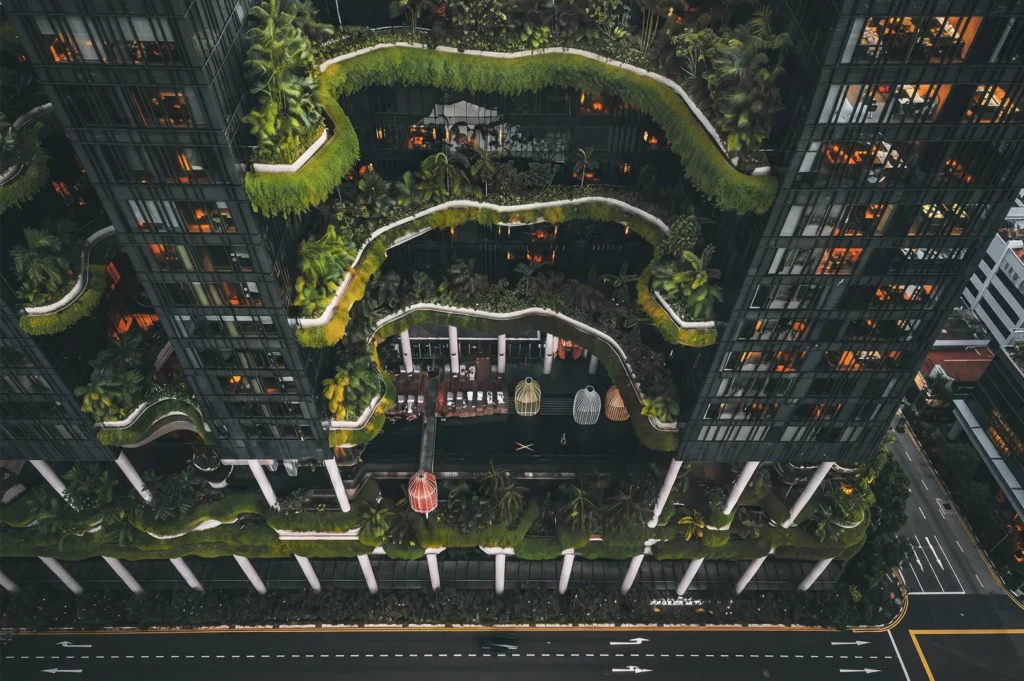
None of these places will show up first when you search for things to do in Singapore. They don’t compete with the infinity pool at Marina Bay Sands, the panoramic views from the SkyPark Observation Deck at the Marina Bay Sands hotel, or the towers of light over the bay. They aren’t the loudest hidden gems, and they don’t try to be.
But they hold something the landmarks can’t. Tiong Bahru’s morning kopi. The bumboat ride to Pulau Ubin. A bowl of laksa in Katong, the textile lanes of Kampong Glam, the wind on the Southern Ridges, the sea at East Coast Park, and a stop at merlion park for photos with singapore’s mascot, installed in 1972. Gardens by the Bay spans 101 hectares. The supertrees rise beside the cloud forest, a temperature-controlled 40-metre-high dome, and the flower dome. Garden Rhapsody is a regular light show after dark. It is one of the free performances in the city, with Garden Rhapsody running at 7:45 PM and 8:45 PM. Bay East Garden is worth a look too for quieter skyline views.