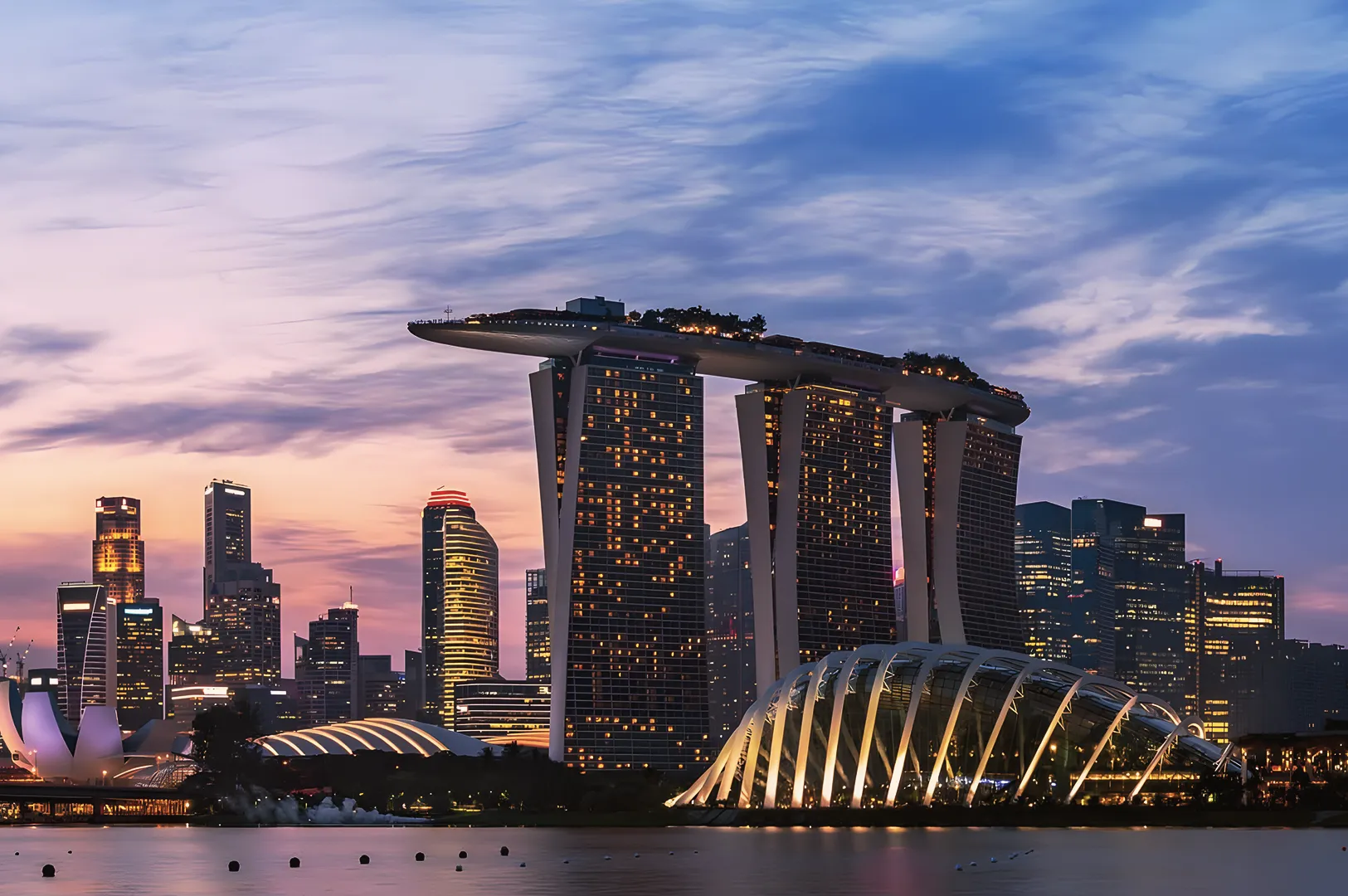
The first time I visited Singapore, I tried to see everything in three days.
Marina Bay Sands before breakfast. Chinatown by lunch. Sentosa in the afternoon. Gardens by the Bay lit up at night. I came home with a full camera roll and almost no memory of how any of it felt. I could tell you where I’d been. I couldn’t tell you what I’d noticed.
Years later, I go back for a different reason. Not to collect places, but to sit in them. And I’ve come to believe that the best travel itineraries — especially in Singapore — are built around slowing down, staying longer in a neighborhood, and letting the city reveal itself at its own pace. This is the city I know now — a place I return to when I want to feel it, not finish it. If you want to go deeper into the slow-travel approach, you can read more here, and there’s plenty more to wander through over at Unrushed Places.
If you’re building a travel itinerary and you want something more than a checklist, this is how I’d do it.
Why a Detailed Itinerary for Slow Travel Beats Efficiency-First Planning
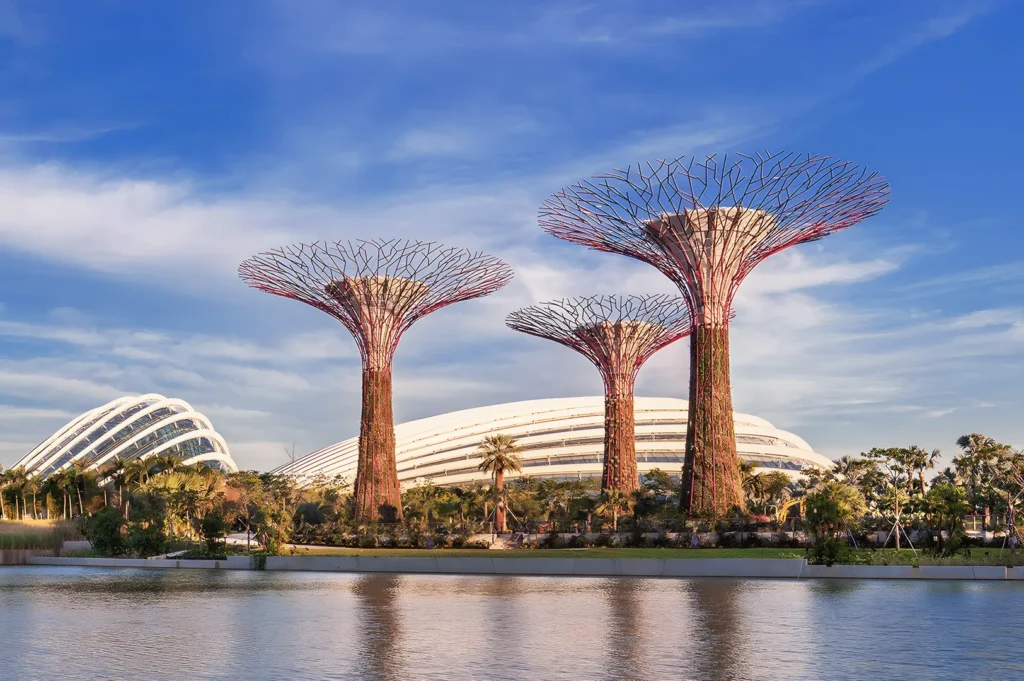
Most Singapore travel itineraries are built around speed. The city is compact and easy to move through, so people assume the goal is coverage. How many sights can you cram between breakfast and dinner?
I understand the pull. But I’ve found that efficiency is a strange thing to optimise for on a holiday. When you rush a place, you get the outline of it — the shape without the texture.
Slow travel asks a different question. Not “How many places can I see?” but “How long can I stay somewhere before I actually notice it?”
That shift changes everything about your trip planning. You stop measuring a good day by how much you covered, and start measuring it by how present you were. A morning spent nowhere in particular, watching a neighbourhood wake up, can leave more of a mark than a dozen landmarks seen in passing.
I’m not against the famous sights. See Gardens by the Bay. Ride up Marina Bay Sands once. Just don’t build your whole trip around ticking them off.
How Many Days You Actually Need
Here’s a common assumption I hear from first-time visitors: Singapore is small, so two or three days is enough.
You can technically do it in that time. But you’ll spend it moving, not staying.
In my experience, a slower trip works far better with four to seven days, or about a week. That gives you room to explore neighbourhoods properly, to stumble onto things you didn’t plan, and — this matters more than people think — to rest between activities. The tropical heat alone will humble any packed schedule.
Think of it this way. A fast itinerary looks like: morning attraction, lunch, shopping, evening attraction, collapse. A slow one looks like: a long neighbourhood walk, an unhurried breakfast, an afternoon in a bookstore or café, a sunset by the water.
Same city. Completely different trip. The difference isn’t the number of places. It’s the quality of attention you give each one.
If you’re planning international travel with limited leave and can only manage three days, that’s fine — just pick fewer areas and go deeper. The exact number of days matters less than that. Depth beats breadth every time.
Neighbourhood-First Trip Planning
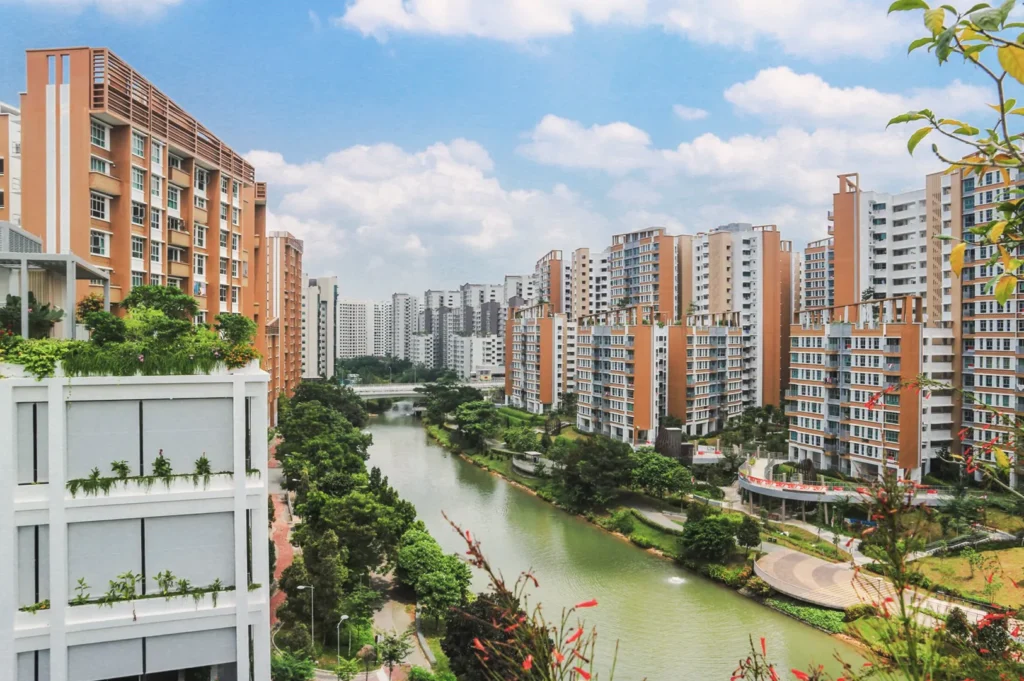
If I could pass on one piece of travel planning advice, it’s this: choose neighbourhoods, not attractions.
The traditional approach reads like a route. “Gardens by the Bay, then Chinatown, then Sentosa.” You spend half your day in transit, arriving everywhere slightly tired and slightly late. A neighbourhood, on the other hand, gives you a whole world in a single square kilometre, and slowing down helps you discover hidden gems beyond the main city core instead of rushing through sightseeing checklists.
These are the two I return to.
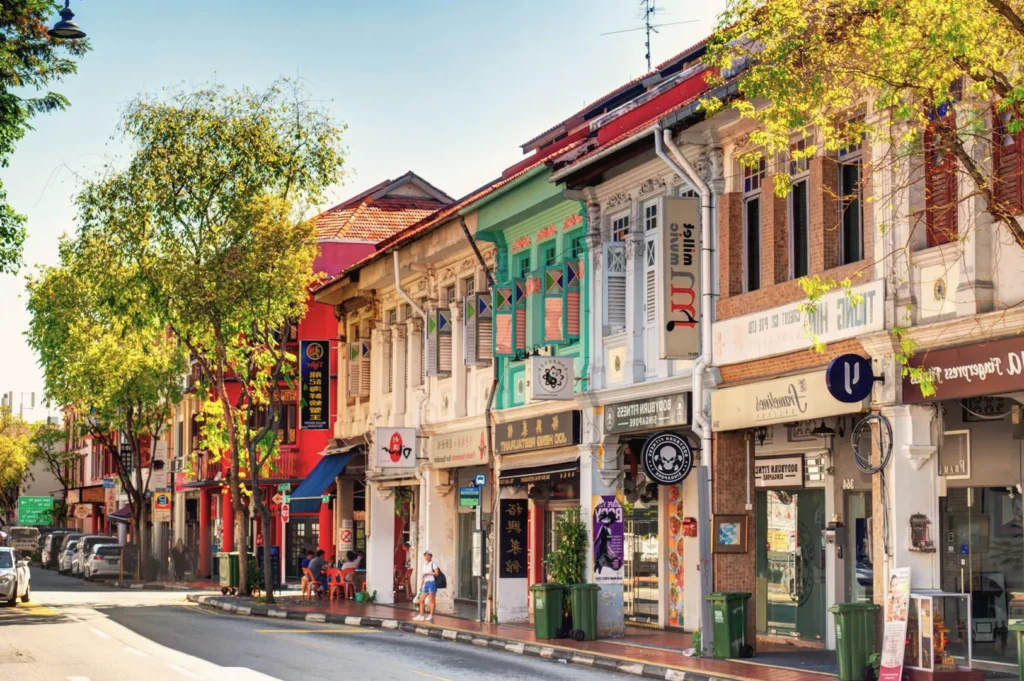
Katong and Joo Chiat. This is heritage that’s still being lived, not preserved behind glass. Rows of Peranakan shophouses in soft greens and pinks. Family-run businesses. And the food — a bowl of Katong laksa, rich with coconut and argued over endlessly by locals. Eat before the lunch rush. The best stalls build a queue by 12:30, and the aunties running them don’t stay open a minute longer for anyone.
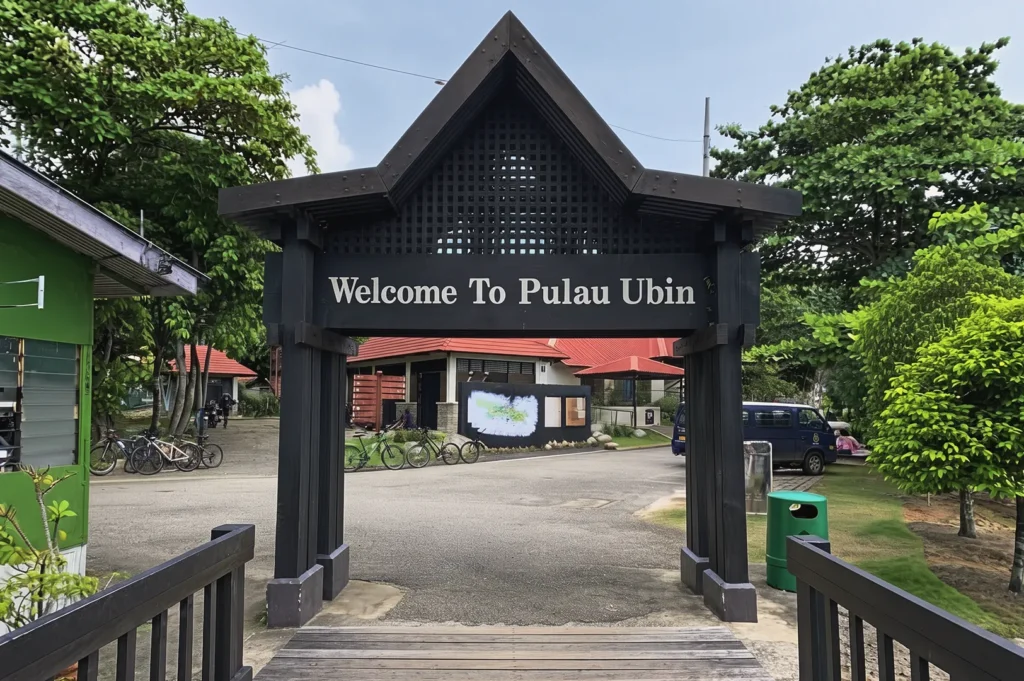
Pulau Ubin. Getting there is part of it. You take a bumboat from Changi Point — a small wooden ferry that leaves when it fills up, not by any timetable. Ten minutes across the water, and the skyline disappears behind you. Rent a bicycle near the jetty and cycle with no fixed route. Old kampong houses, forest paths, the mangroves at Chek Jawa Wetlands. It’s especially good for outdoor enthusiasts. Check the tide chart before you go; low tide is when Chek Jawa comes alive.
Give one of these your full attention in a day. The neighbourhood becomes the destination.
Following the Singapore Rhythm
There’s a natural daily rhythm here, and the smartest travel tips I can offer all come down to working with it instead of against it.
Mornings (8–11am) belong to coffee shops, markets, and quiet streets. This is when the city is coolest and most itself. Tiong Bahru Market, the lanes of Chinatown, a stretch of East Coast Park before the sun climbs.
Midday (12–4pm) is hot. Genuinely, unrelentingly hot. Don’t fight it. This is when locals slow down, and you should too. Head indoors — the National Gallery Singapore, an independent café, a library, a long lunch. I learned this the hard way, dragging myself through a midday walk on my first trip and wilting by 2pm.
Evenings (5pm onwards) open back up. Waterfront walks around Marina Bay. Hawker dinners. A slow wander through Katong. The light softens, the heat lifts, and the city exhales. If you want something slower, Singapore also does omakase well — a Japanese dining style where the chef selects the dishes, usually sushi and sashimi served at a sushi counter in an intimate, limited-seat room. These places often focus exclusively on seafood rather than meat, and the appeal is the chef’s precision and craftsmanship paired with fresh, high-quality sourcing rooted in Japanese culinary tradition, sometimes with premium fish from Toyosu Market and seasonal seafood flown in daily from Japan. Reservations are usually essential, especially since these meals are often tailored for food connoisseurs.
And use the MRT as part of the experience, not just a way to get somewhere. Get an EZ-Link card or tap through with contactless. Rides run roughly SGD 1–3. Now and then, get off a stop early and walk between stations — some of my favourite discoveries happened in the streets between where I meant to be.
Hawker Centre Etiquette You Should Know
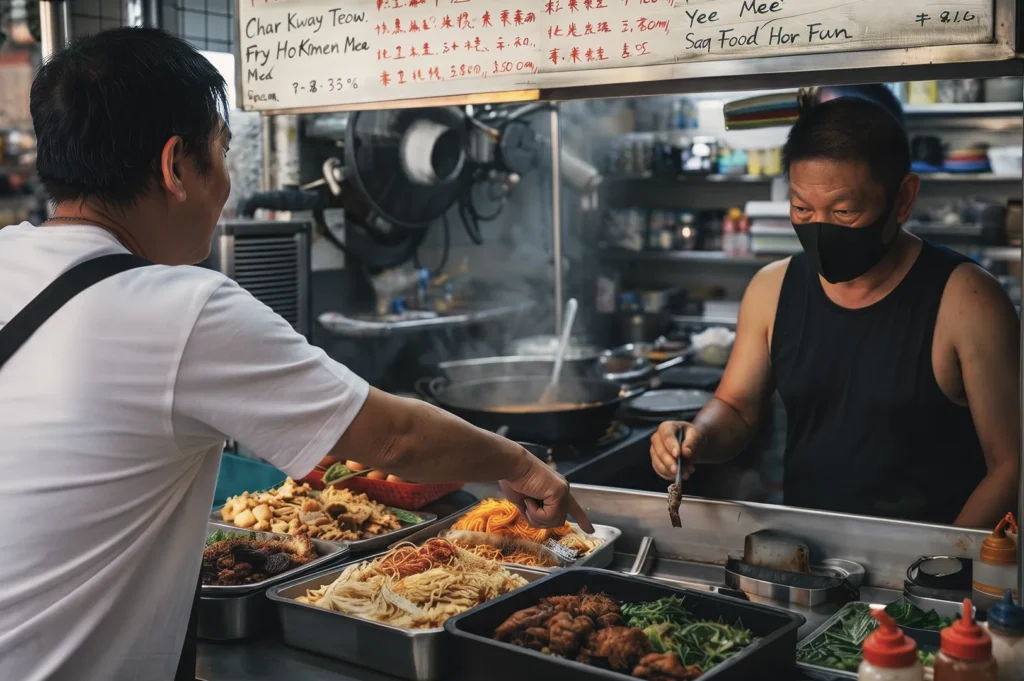
Hawker centres are where I’d send anyone who wants to understand this city. But there are a few unspoken rules, and knowing them saves you some awkwardness.
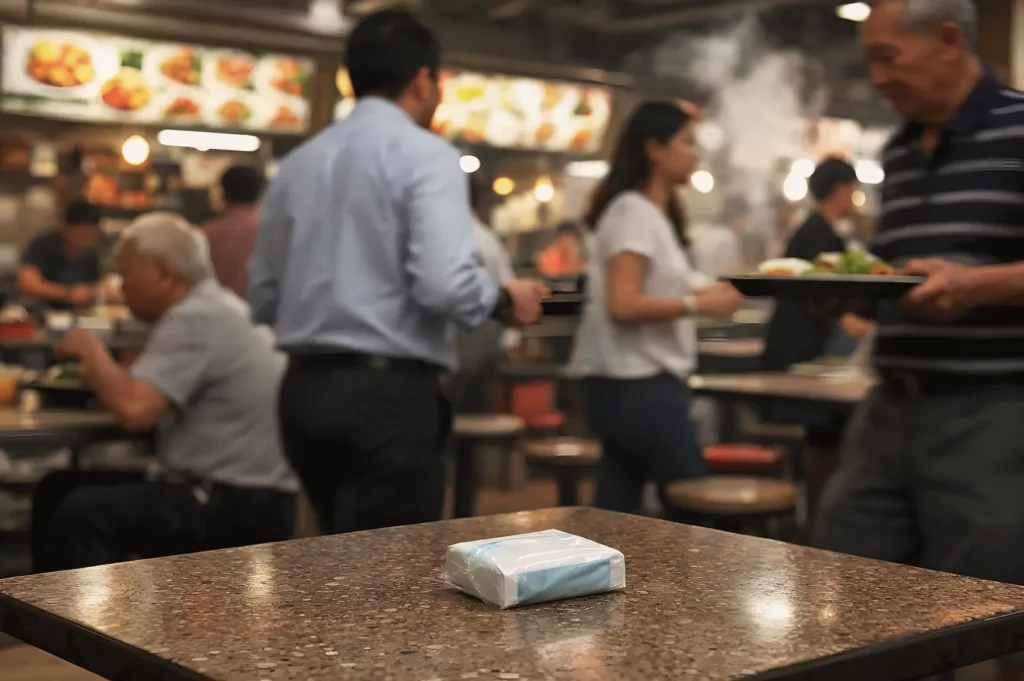
First: chope your seat before you order. Locals reserve tables by leaving a packet of tissues on them. It looks strange the first time — a lone tissue packet guarding an empty seat — but it’s a real and respected system. I ignored it once, sat at a “free” table, and got a very polite but firm education from an auntie. She was right.
Second: return your tray. Many hawker centres now expect you to clear your own table after eating. Just follow what everyone else does.
Third: queues tell you something, but not everything. A long line usually means a stall is good. It doesn’t always mean it’s what you’re in the mood for. I tend to watch what locals are ordering and go from there, rather than joining a queue just because it’s long.
These small rituals are part of the cultural experiences that make eating here feel like belonging, even briefly.
Packing and Weather: The Honest Version
Singapore is hot and humid all year. There’s no season that spares you.
Pack light clothing, genuinely comfortable walking shoes, sunscreen, and a water bottle you’ll actually refill to cut stress, avoid bringing tons of unnecessary items, and save money on baggage fees. Many travelers prefer to go with only a carry on plus a personal item. Use different kinds of small organizers for toiletries, medications, and other things you want easy to access. And always carry a small umbrella — before you leave home, it helps to prepare a simple checklist so you don’t forget essentials like hand sanitizer; the rain here arrives without warning, hammers down for twenty minutes, then vanishes like nothing happened. I’ve been caught out more times than I’d like to admit.
Build flexibility into your day for exactly this reason. A sudden downpour is a good excuse to duck into a café and let the afternoon soften around you.
The 70/30 Rule I Live By
Here’s the philosophy that changed how I travel: plan about 70% of your time, and leave 30% open.
A travel planner can help you build a detailed itinerary while still leaving room for spontaneity. It can import flight and hotel reservations automatically and keep the key details together in one place. A passenger name record (PNR) is created during reservations, and it helps to keep that in the same system too. For an upcoming trip, it also supports real-time collaboration with friends, plus expense tracking so you stay organized and manage cost.
Book ahead for the things that need it — popular restaurants, special exhibitions, guided experiences, anything on a weekend. But leave the cafés, the walks, the markets, the aimless neighbourhood wandering unplanned.
That open 30% is where the trip actually happens. It’s the block of time you use to sit longer at a café, return to a place you loved, follow a side street with no idea where it leads, or fall into conversation with someone local. Over-planning every hour, in my experience, is the fastest way to feel like you visited a schedule instead of a city.
This works whether you’re travelling with family or doing solo travel — maybe especially for solo travel, when you answer to no one’s timetable but your own.
A Few Closing Thoughts for Your Next Adventure
The best Singapore travel itinerary doesn’t just tell you where to go. It reminds you when to stop. Travel itineraries can vary widely by destination—for example, 10-day itineraries for Italy include five different travel styles, while Singapore rewards a slower approach.
The moments I carry with me from this city were never the landmarks. They were a cup of kopi that lasted an hour. A quiet street after the rain. A long walk beside the sea with nowhere to be. An afternoon spent, honestly, nowhere in particular.
So when you plan your next adventure here, resist the urge to see it all. Pick a few neighbourhoods. Follow the city’s rhythm. Leave room for the day to surprise you. Singapore isn’t a place to complete — it’s a place to be in.
Take your time. That’s the whole point, and it’s advice that can shape your next trip, whether it’s a city break, road trips, or a longer vacation.