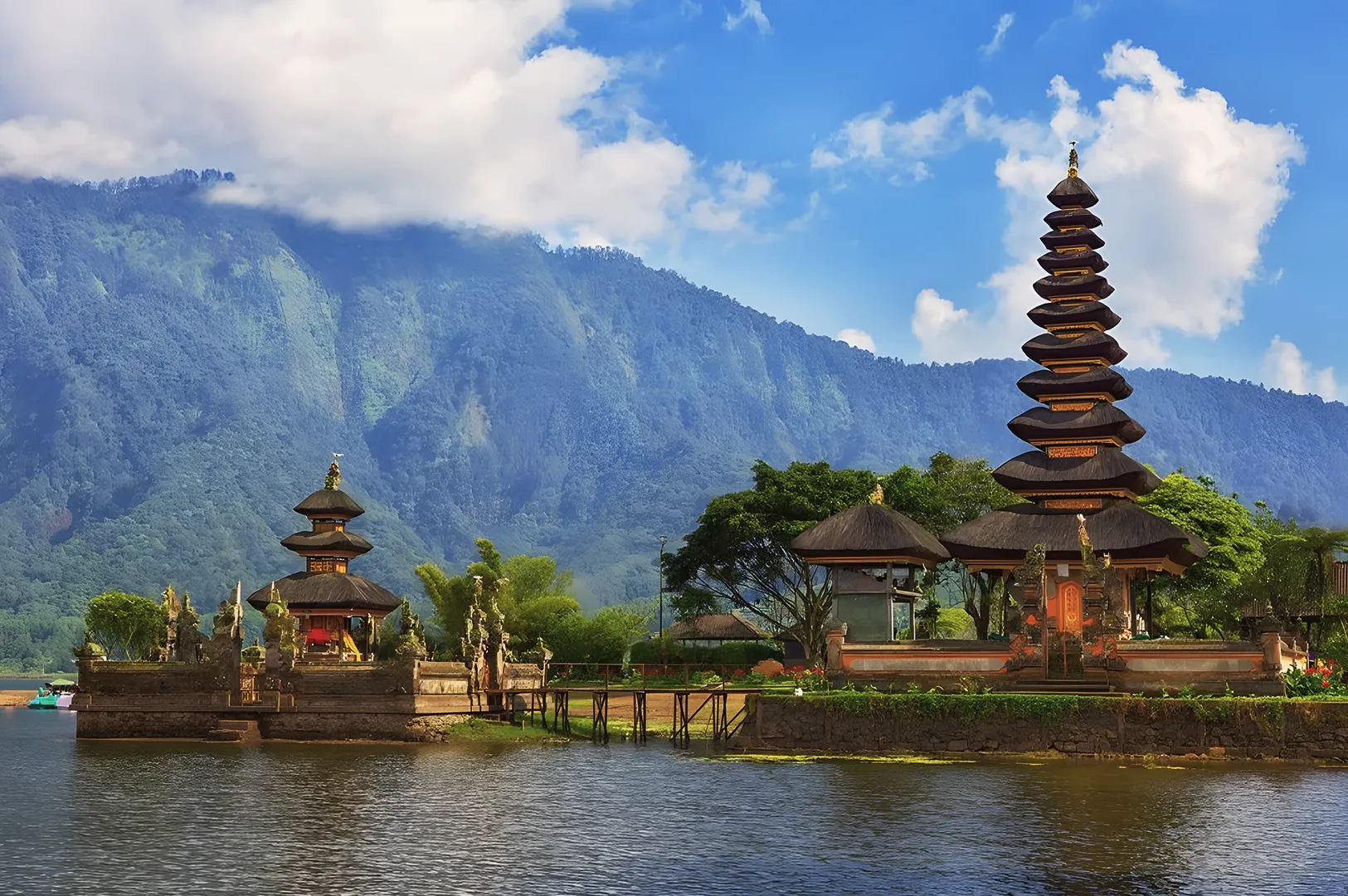
My first morning in Bali, I woke before the light and sat on the edge of a bed I’d chosen badly.
I’d picked the hotel for its photos. What the photos didn’t show was the road outside — a river of scooters that started at dawn and never really stopped. I’d planned six things for that first day. I managed one, arrived late, and spent the rest of it stuck in a car watching rice fields I never got to walk through.
That trip taught me something I’ve carried into every visit since. Bali doesn’t reward speed. It rewards attention. And the best way to ruin your first time here is to treat the island like a checklist you’re racing to complete. You can read more about the slow-travel philosophy behind all of this right here, and if you’re planning a longer trip, our guide to travelling slowly through Singapore is worth a look too.
So this is the slow version — a 5 day Bali itinerary built for people who want to actually feel the place, not just photograph it. It’s for couples, solo travellers, and anyone who opened the map, saw Ubud and Canggu and Uluwatu and Nusa Penida all in one week, and quietly panicked.
Is Five Days Really Enough?
Here’s the fear I hear most: five days isn’t enough for Bali.
The thing about that worry is it comes from the wrong question. People look at the island and count everything they might miss. Ubud. Sidemen. Munduk. The Nusa islands. Seminyak. And they try to cram it all in.
What I’d tell you is this — five days is plenty for a meaningful first Bali visit, especially if you’re visiting Bali for the first time, as long as you stop trying to see the whole island. The mistake isn’t the length of your Bali trip. It’s the width of it.
A good Bali itinerary for five days should touch one or two regions, no more. Short driving distances. Room to sit still. Bali experiences heavy traffic, so travel times are often longer than they look on the map. When you spread yourself across four or five bases, you don’t experience Bali’s lush tropical landscapes and rich cultural heritage. You experience Balinese traffic.
The plan below keeps Ubud as your base for three nights, then moves you to one quieter place for the last two. That’s it. Two beds in five nights. Your back will thank you, and so will your sense of the island.
Choosing Where to Stay
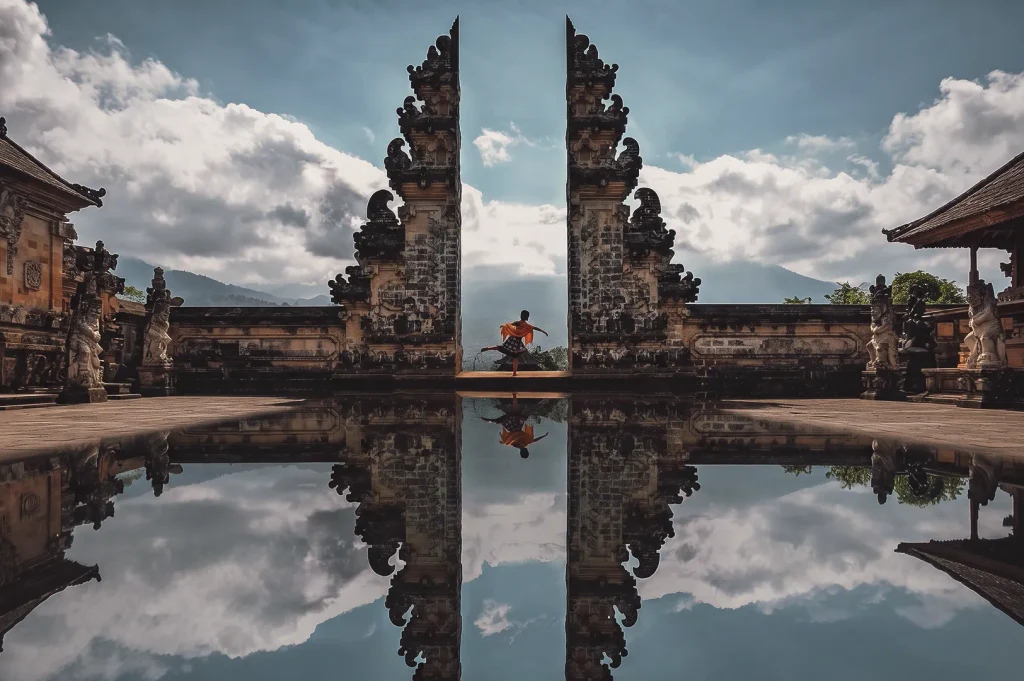
Most people pick where to stay based on what they’ve heard. Canggu because everyone mentions it. Seminyak because it’s famous. Ubud because it’s in every guide.
A better question: what kind of first trip do you actually want?
Ubud sits inland, wrapped in rice fields and temples and forest roads. It’s where you go for culture, slow mornings, and the smell of incense drifting past a warung. There are yoga studios on nearly every lane, cafés that let you linger, and enough quiet corners to make three days feel unhurried rather than empty.
Sidemen is Ubud’s quieter cousin — a valley of rice terraces with Mount Agung standing behind them. Fewer crowds, more silence, mornings that begin with mist over the fields.
Sanur is the older, gentler side of the coast. Cycling paths, calm water, sunrise walks, and a rhythm that belongs more to locals than to nightlife.
For a first-timer, I’d suggest Ubud plus one of these. If you want the classic regional split, Day 1 can be South Bali with Nusa Dua on Bali’s southern coast and Uluwatu, Day 2 Seminyak with Seminyak Beach, Day 3 Canggu and its beaches, Day 4 Ubud with Tegenungan Waterfall, and Day 5 Ubud’s outskirts with Tegallalang Rice Terrace. But this guide takes a slower Ubud-plus-one-base approach instead of trying to combine all of that with nearby islands in five days. Ubud and Sidemen if you want stillness. Ubud and Sanur — or Uluwatu if you’re chasing cliffs and sunsets, rather than splitting time across Seminyak and Canggu — if you want a taste of the coast.
The Slow 5-Day Flow
Day 1: Arrive and Do Almost Nothing
This is the day I got wrong, so let me save you from it.
Do not schedule anything real for your arrival. You’ll land at Ngurah Rai International Airport, sit in traffic to Ubud, and arrive frayed. Check in. Walk the streets near your place. Find a warung for dinner — a plate of nasi campur for around 40,000 rupiah, eaten slowly. Sleep early.
Something I learned the hard way: an arrival day spent chasing a waterfall becomes a day spent regretting it. Let Bali arrive before you start moving.
Day 2: Discover Ubud on Foot
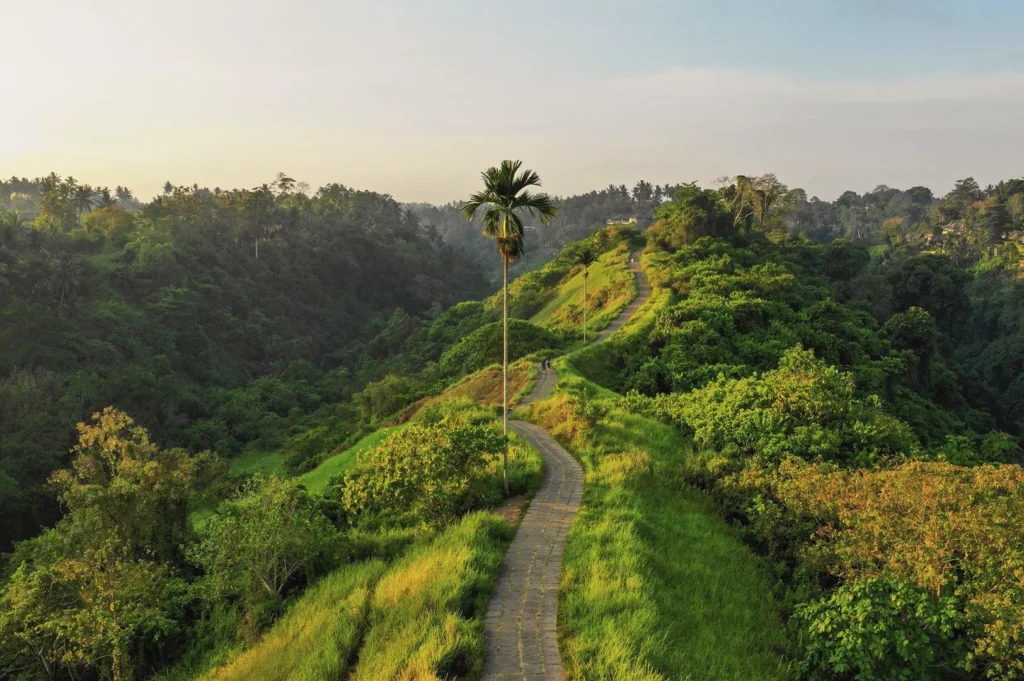
Start early, before the heat and the crowds.
The Campuhan Ridge Walk is where I’d send anyone on their first full morning — a gentle path along a green spine with the valley falling away on both sides. Go at sunrise and you’ll have it mostly to yourself. Later it fills with people and the light goes hard.
Afterward, a slow coffee, though some travellers swap sightseeing for a yoga class in Ubud. Then the Ubud Art Market and the streets around the Ubud Royal Palace, where it’s easy to browse clothing, bags, and homeware or wander into small galleries without any particular plan.
If you want, the Sacred Monkey Forest Sanctuary sits nearby — just hold your sunglasses and don’t bring loose snacks. The macaques are quicker than you.
End with a traditional Balinese dance performance, which fits naturally in Ubud, the cultural capital of Bali, known for traditional dance, or simply a quiet dinner. There’s no need to do both.
Day 3: Bali Beyond the Main Streets

This is the day to go deeper, not wider.
The Tegallalang Rice Terrace is the postcard everyone knows — those stacked green steps carved into the hillside. Get there early. Tegalalang Rice Terrace is all lush rice paddies, and the 15,000 IDR entrance fee is easy to justify before the crowds build. Many visitors also pair it with a jungle swing or Bali Swing photo stop, which is exactly why the area gets busier later in the morning.
If you want something more cultural nearby, Pura Tirta Empul is a sacred water temple known for its purification rituals.
A different early-start option is Mount Batur, where guided sunrise treks lead to panoramic views and the climb usually takes 1.5 to 2 hours to reach the summit.
Or slow it down further with a cooking class. I did one on a return trip, in a family compound outside town, and it’s still one of my clearest memories of the island — grinding spice paste by hand, the smoke, the auntie correcting my technique without a word, just a look. You learn more about a place from its kitchen than from its viewpoints.
Pick one meaningful thing. Not five quick stops.
Day 4: Move to the Quieter Side
Today you shift bases — to Sidemen for the valley, or Sanur for the sea.
Hire a private driver for the move rather than juggling scooters and bags. Expect somewhere around 600,000 to 900,000 rupiah for a full day, depending on distance and season, and it’s worth every rupiah for the ease of it. A driver can stop wherever you like along the way, which turns a transfer into part of the trip.
Whatever you do, resist the urge to change hotels every night. Unpacking once is a gift you give your future self.
Day 5: Leave Room for the Unplanned
Don’t overload your last day.
A sunrise walk. A final Balinese breakfast. A balinese massage that costs less than your airport coffee back home. Time by the water. Something small for the people back home.
The best moments I’ve had here almost always happened in the gaps — the unscheduled hour, the wrong turn, the conversation I didn’t plan. Leave space for that.
What This Costs
Bali stretches to fit most budgets, which surprises people.
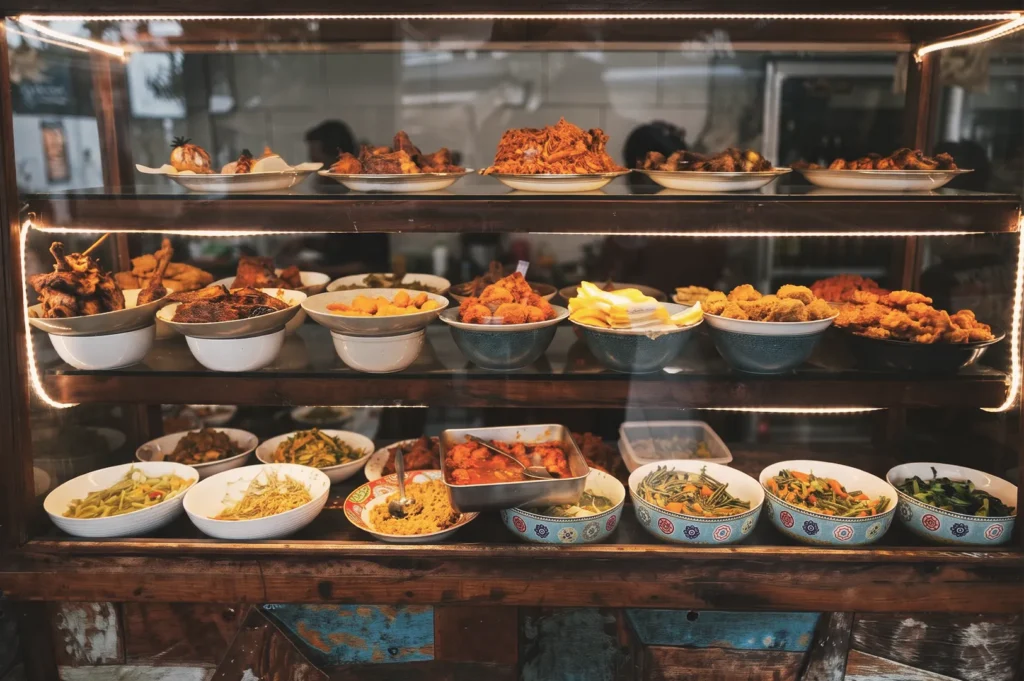
A local warung meal runs 20,000 to 60,000 rupiah. Casual restaurants, 60,000 to 200,000. You can rent a scooter for about $5 to $15 a day if you’re confident on two wheels — and honestly, only rent one if you already are. Bali’s roads are not the place to learn. If you’d rather not ride yourself, Grab is widely used in Bali and offers different vehicle sizes, while a private car is the pricier but more comfortable option for longer transfers.
Rooms range widely: budget guesthouses from 250,000 a night, comfortable mid-range places around 700,000 to 2,000,000, and quiet luxury above that, though cash is still preferred for small purchases in local eateries and markets.
Staying longer in fewer places quietly saves money too. Fewer transfers, fewer entry fees, fewer hours lost to the road. And because Bali has a tropical climate, budget for sunscreen.
The Traffic Nobody Warns You About
Let me be honest about the thing that trips up every first-timer.
Bali looks small on a map. It is not small in practice. Ubud to Uluwatu can eat half your day, so if you visit Uluwatu Temple, plan around sunset because the Kecak fire dance is best seen then and the temple hosts a Kecak Dance performance at sunset. Uluwatu Temple charges 30,000 IDR for adults. Ubud to Canggu, the same, depending on the hour and whether a ceremony has closed a road.
That’s the real reason to plan by geography, not by reviews. I once booked a place I loved on paper, then spent three hours a day driving to everything I actually wanted to see. Never again.
If you’re dreaming of a day trip to Nusa Penida — Kelingking Beach, Crystal Bay, the wild cliffs — know it’s a full, long day with an early boat and plenty of bumpy roads on the other side. Beautiful, but not restful. On a five-day slow trip, I’d think twice, or save it for next time.
Respecting the Island’s Faith
Bali isn’t a backdrop. It’s a living, praying, offering place — and that changes how you should move through it.
You’ll see small woven trays of flowers and rice on the ground everywhere. Those are canang sari, daily offerings. Step around them, never over or on them.
At temples like Uluwatu Temple, known for its Balinese architecture and traditional architecture, or Tanah Lot Temple, cover your shoulders and knees, and wear a sarong if one’s required — they usually provide them. Sunset at Uluwatu, with the sea crashing below the cliff, is one of those sights that quiets a whole crowd. Tanah Lot, sitting out on its rock as the tide comes in, is another.
Eat Like You Mean It

Don’t spend your five days only in cafés built for visitors.
If you spend time in Seminyak, Seminyak Night Market is a good budget stop for local food.
Find the warungs. Sit at the plastic tables. Order babi guling, nasi campur, ayam betutu, sate lilit, or a plate of lawar you can’t quite identify. Around Ubud, Naughty Nuri’s is a well-known stop for BBQ Pork Spare Ribs. The food here carries the island’s memory in a way no beach club ever will.
I still think about a bowl of something simple I ate in a compound in Sidemen — rice, greens, a chilli sambal that made my eyes water — handed over by someone who didn’t speak my language and didn’t need to. That meal said more about Bali than any viewpoint. Canggu’s dining scene is broader, including vegan options, but this itinerary leans more toward warungs than beachside restaurants.
Before You Go
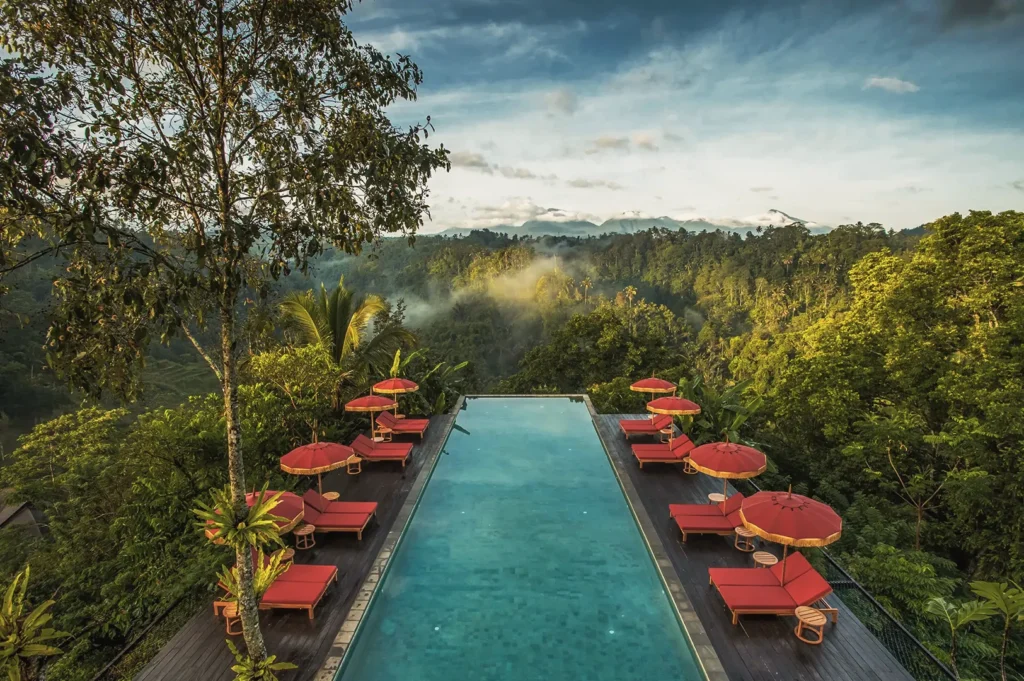
If you take one thing from all this, take this: a memorable bali adventure isn’t measured by how much you saw, but by how much you noticed.
Pick two places. Move slowly between them in this tropical paradise. Wake early, rest in the heat of the day, and leave your evenings loose. Skip the sixth attraction. Sit down instead.
Bali will still be here. It doesn’t need to be finished in five days. It just needs a little of your attention — the unhurried kind, and enough space to stumble into its hidden gems.
Take your time. That was always the point.