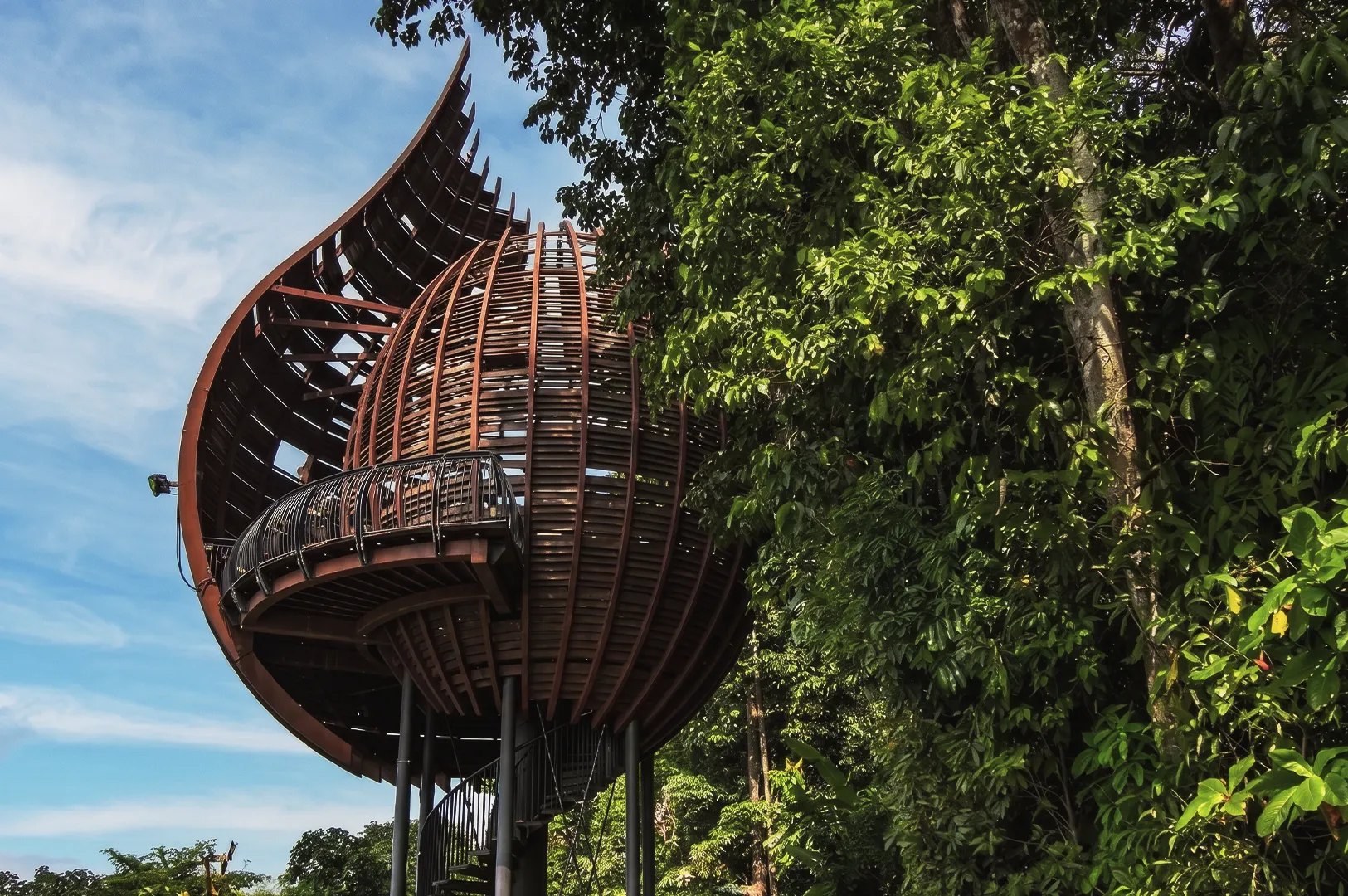
Most Singapore itineraries move toward the center: Marina Bay, Orchard Road, the river. This one moves away from it.
The first time I went to Lim Chu Kang, I expected a few farms and a short afternoon. Instead, I found goats being milked, a family selling greens grown a few meters away, mangroves full of migrating birds, and a reservoir looking across the water toward Malaysia. I’ve been back many times since. Each visit has shown me another layer of Singapore’s northwest.
One thing should be clear from the start. Lim Chu Kang, Singapore, doesn’t hold five days of attractions on its own. It’s the anchor for a wider journey through Kranji, Sungei Buloh and the countryside around them. It isn’t untouched either. It’s a working agricultural landscape surrounded by modern Singapore, and right now it’s changing.
Singapore’s countryside isn’t somewhere you stumble across between attractions. You have to make time to go looking for it. If you’d like to balance the countryside with something closer to town, I’ve gathered some of the city’s more playful experiences for slower travelers.
Before You Go: Getting Around Lim Chu Kang
On my first trip, I made the classic mistake. I planned four farms in one day, assuming I could walk between them. I spent more time on the roadside refreshing a ride-hail app than looking at anything.
The Lim Chu Kang farms are spread across Neo Tiew Road, Neo Tiew Crescent, Lim Chu Kang Road and Sungei Tengah. They aren’t clustered like shops on a street. The practical formula is MRT + bus + ride-hail. Kranji MRT and Choa Chu Kang MRT are your two main gateways. From there, take a bus where one runs close, and book a car for the longer gaps. Families or groups will find a private car far easier.
Many older guides still recommend the Kranji Countryside Express shuttle. It no longer operates, so don’t build a day around it.
My rule now: choose your stop first, check how to reach it, then plan the rest of the day around that.
Day 1: Local Food Production From the Ground Up
Singapore is better known for what it imports than what it grows. Day one changes that picture.
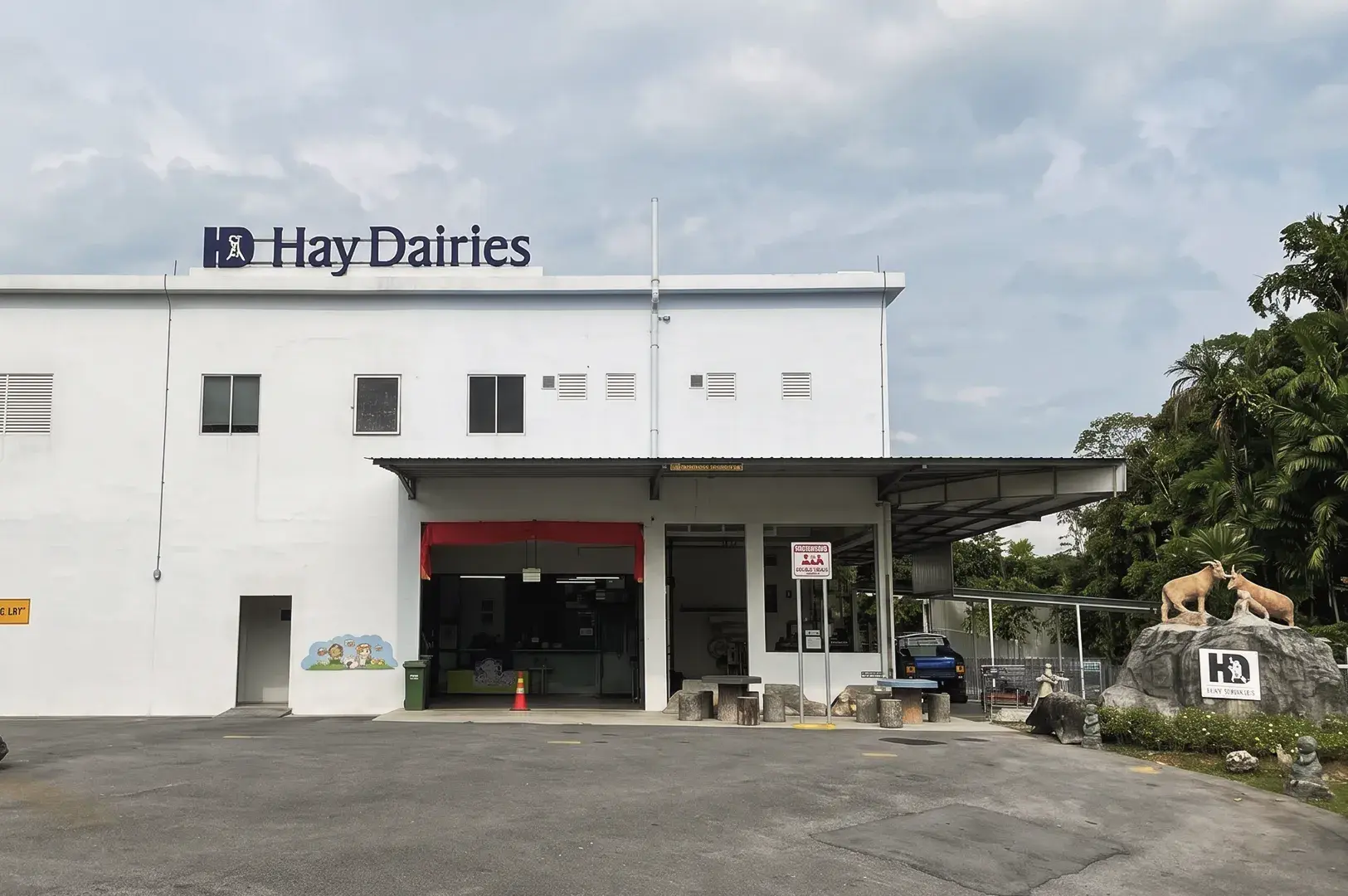
For a first Lim Chu Kang farm visit, I recommend Hay Dairies, at 250 Neo Tiew Crescent. It’s been Singapore’s only goat farm since 1988 and keeps more than 800 goats. I take the MRT to Kranji and book a ride-hail from there. It’s the simplest option.
Arrive by 9am. Milking runs from 9am to 10:30am, and watching it is the heart of the visit. You can’t milk the goats yourself, but standing quietly while the farmhands work tells you more about local food production than any museum panel could. Afterward, buy a packet of alfalfa hay and feed the goats. Then buy a bottle of fresh goat milk to take home.
Weekends and public holidays get busiest between 9:30am and 11am, so a weekday morning is calmer. The farm opens from 9am to 4pm and closes every Tuesday, except on public holidays. Individuals and families can visit free without booking; groups of 10 or more should arrange an educational tour in advance.
How long: Families with young children often stay 90 minutes. I usually spend about an hour, then leave the afternoon open. Compared with a city petting zoo, this feels less staged. It’s a working farm, and it smells like one.
Day 2: Kranji Countryside and the Fish Farm Few Visitors Expect
On my second trip, I discovered that farming here isn’t only soil and livestock. Day two widens the story, but keep it simple: one farm, one long lunch, and that’s enough.
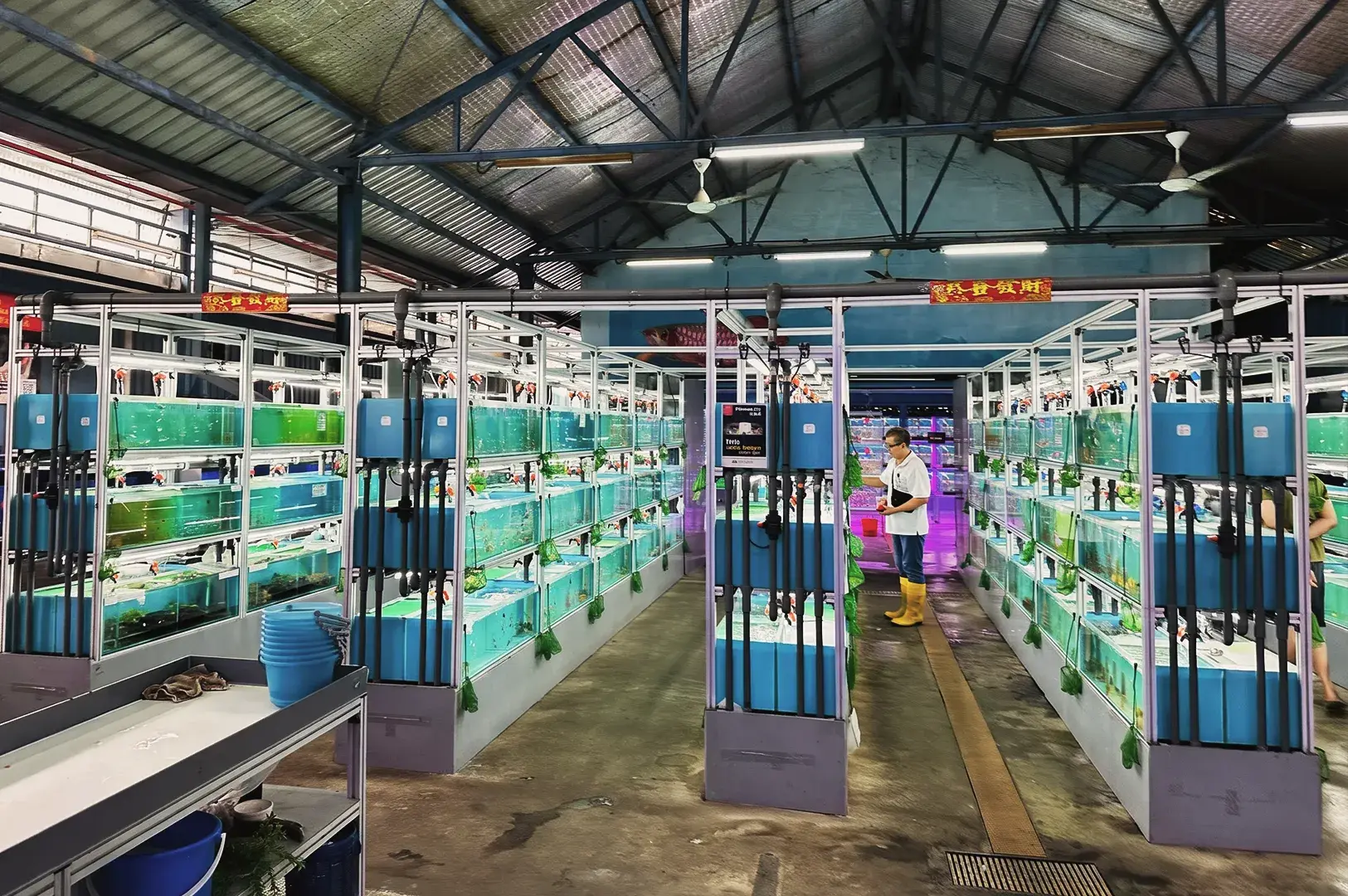
Option one: Qian Hu Fish Farm (71 Jalan Lekar). This ornamental fish farm runs a free shuttle bus from Choa Chu Kang MRT/LRT station, which makes it one of the easiest stops to reach without a car. It opens from 9am to 6pm on weekdays and 9am to 7pm on weekends and public holidays. Browse the tanks, try the fish spa or longkang fishing, and notice how aquaculture fits into Singapore’s farming economy. Guided farm tours require at least 20 people and two weeks’ notice, so couples and solo travelers should plan to explore on their own.
Option two: Kok Fah Technology Farm (18 Sungei Tengah Road). If you want to see modern vegetable growing, come on a weekend, when the farm market runs 9am to 5pm and walk-in entry is free. From Choa Chu Kang MRT, take bus 975 or 172, get off opposite Chentai Nursery, and walk 20 to 30 minutes. That walk is hot and exposed, so bring water. The family behind Kok Fah has grown leafy vegetables like cai xin and kai lan for around 40 years. Today, it uses technology and machinery to farm more efficiently. It’s a useful reminder that sustainable agriculture here looks to the future as much as the past.
For lunch, choose one proper farm-to-table meal. Garden Bistro by Gardenasia draws on ingredients from local farms.
An important note on Bollywood Farms. Its Poison Ivy Bistro has long been a favorite countryside lunch. However, the government has confirmed that the farm’s current lease expires in December 2026. Check its official status before you plan a visit, and have a backup ready.
Day 3: Sungei Buloh, What Singapore Protects
After two days looking at what Singapore grows, spend a day looking at what it protects.
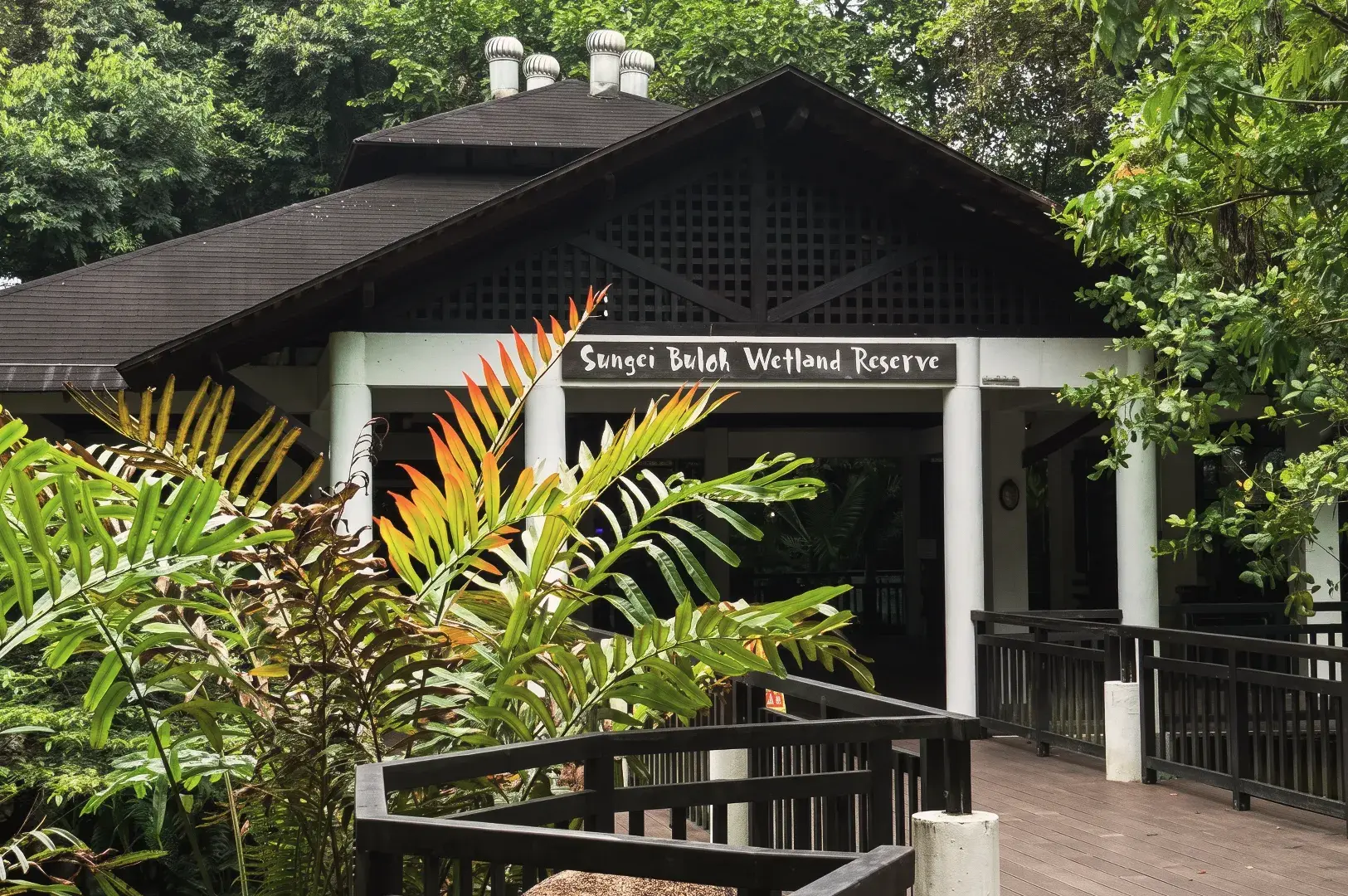
Sungei Buloh Wetland Reserve (60 Kranji Way) is Singapore’s first ASEAN Heritage Park, with 202 hectares of mangroves, mudflats and forest. Entry is free, and it opens from 7am to 7pm, with last entry at 6:30pm. From Kranji MRT, take bus 925 from Monday to Saturday, or 925M on Sundays and public holidays.
Arrive at 7am if you can. The air is cooler and the birds are more active. November falls within the migratory season, when waders arrive from as far away as Siberia. Bring binoculars. The first time I visited, I left mine at home and mostly saw distant gray specks. The difference with a pair is enormous.
How long: Casual walkers manage happily in two hours. Keen birdwatchers can spend four. Walk slowly, stop at the hides, and let the mudflats reveal themselves.
Cycling, jogging, drones and pets aren’t allowed. Some areas close temporarily during high tides or bad weather, so check conditions before you go.
Day 4: Kranji Marshes and the Reservoir, With Nothing to Chase
This is the day the itinerary gets out of your way.
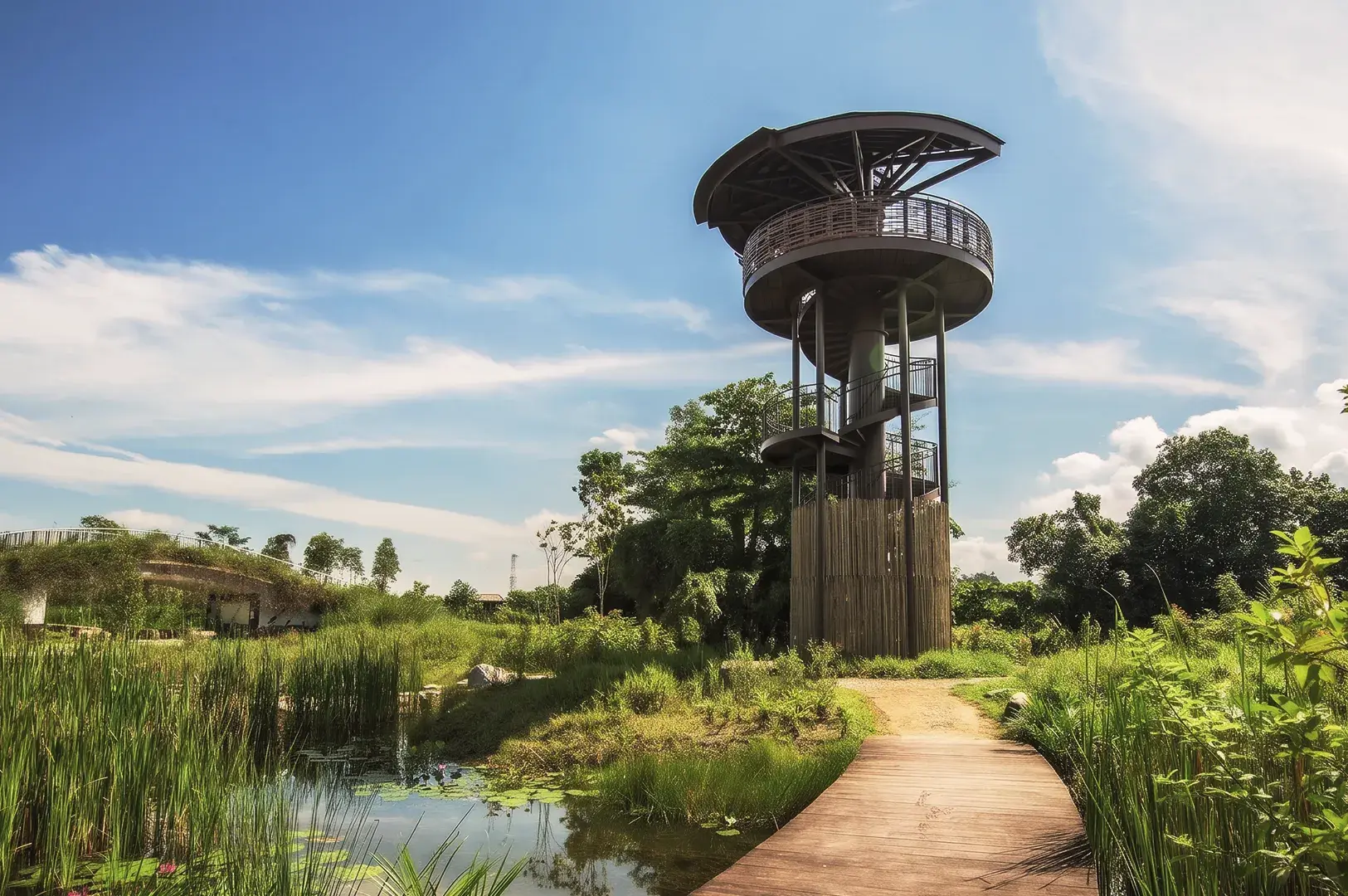
Start at Kranji Marshes (11 Neo Tiew Lane 2), open 7am to 7pm and free. Only 8 of its 56.8 hectares are open to the public. The rest is protected habitat. An easy 1km path leads from the entrance to the Raptor Tower, about 20 minutes each way. On accessibility: the park is wheelchair accessible except for the Raptor Tower itself, which has stairs. The bird hides on the ground are well worth lingering in.
Compared with Sungei Buloh, the marshes feel more open and less visited. I’ve spent mornings here hearing more birds than people.
In the afternoon, move to Kranji Reservoir Park along Kranji Way. It’s also free and open 7am to 7pm. Sit by the water and look toward the Johor Strait. Watch the anglers, but note that fishing is permitted only in designated areas. Bring a book.
Don’t add another farm. A five-day itinerary without an empty afternoon isn’t really a slow itinerary.
Day 5: History, Food Security and the Future of Land Use

The final day connects what you’ve seen to where it came from.
In the early 20th century, pioneers like Neo Tiew cleared jungle here for pineapple plantations, then pig and poultry farms. Farming expanded through the 1950s and 1960s. Later, Lim Chu Kang became part of Singapore’s agrotechnology push to make the most of its limited land.
Begin the morning at Kranji War Cemetery (9 Woodlands Road), generally open about 8am to 6pm and free. More than 4,400 Commonwealth servicemen and women who died in the Second World War are buried here. Walk slowly and leave the camera away. It’s a place for remembering, not a photo stop.
Then consider how the landscape is shifting. In May 2026, the government announced land-use changes in Lim Chu Kang. The southern area will eventually be repurposed for defense. Land further north will be reallocated for agriculture, to consolidate farms and strengthen food security. Bollywood Farms and Gan Aquarium have leases ending in December 2026, and Gallop Kranji Farm Resort’s ends in March 2027. Meanwhile, the Singapore Food Agency has opened new tenders, including a vegetable farm site at Neo Tiew Harvest Lane on a proposed 20-year lease.
Parts of the old farming landscape are disappearing while Singapore invests in a new agricultural future. Seeing that tension firsthand is what made this trip worth taking for me.
End with a meal rather than another attraction.
What to Bring and Wear
- Water, more than you expect. Shops are few and far between.
- Sunscreen and a hat for exposed roads and marsh paths
- Insect repellent, plus long, light sleeves if you prefer
- Binoculars for days three and four
- Covered walking shoes you don’t mind getting muddy
- An umbrella and a portable charger for ride-hail bookings
Adapting the Itinerary: Notes Worth Reading
You don’t need to follow all five days exactly. Farming enthusiasts can stretch days one and two. Birders should expand day three. If you love quiet, make day four longer. For a gentler pace across the whole country, here’s how to plan a slow Singapore trip that leaves room for unhurried days.
Lim Chu Kang won’t show you the Singapore that appears on postcards. It shows you the Singapore that grows, changes and quietly keeps the city fed.