Most Singapore itineraries move toward the center. This one moves out.
The first time I went to Qian Hu Fish Farm, I planned to stay an hour. I’d see some fish, take a few photos, and be back in town for lunch. I ended up staying until the light turned gold over Kranji Marshes, and I’ve made the same trip several times since. The fish are the reason to leave central Singapore. The countryside around them is the reason not to hurry back. For more ideas, I’ve gathered some of the city’s more relaxed and playful experiences.
Qian Hu Fish Farm Singapore: Getting There on the Free Shuttle Bus
The journey is part of the day, so I always take public transport. Ride the MRT to Choa Chu Kang MRT/LRT Station (NS4/BP1), head toward Exit C in the direction of Lot One mall, and turn left. Follow the footpath and directional signs to Bus Bay 1, where the Qian Hu shuttle waits.
The free shuttle runs throughout the day, with departure times varying by weekday, Saturday and Sunday/public-holiday schedules. Return trips run through the day, with the last departure from the farm at 7pm. Some departures give priority to staff, so I always confirm the current schedule with Qian Hu before I set out. On my second visit, I didn’t check, and I spent forty minutes outside Lot One wondering where my bus had gone.
The ride is short, but the change is striking. The tower blocks of Choa Chu Kang fall away. The roads narrow, trees crowd the verges, and suddenly you’re passing nurseries, farm gates and long, low sheds. By the time the shuttle turns onto Jalan Lekar in Sungei Tengah, it’s hard to believe the city is only a few stops behind you.
If you’re driving, there’s free parking on site. Families with young children or bulky gear may find a car easier.
More Than an Attraction: What Qian Hu Really Is
On my first visit, I hadn’t understood what Qian Hu actually is. I’d assumed it was a fish-themed attraction. It isn’t, or not only.
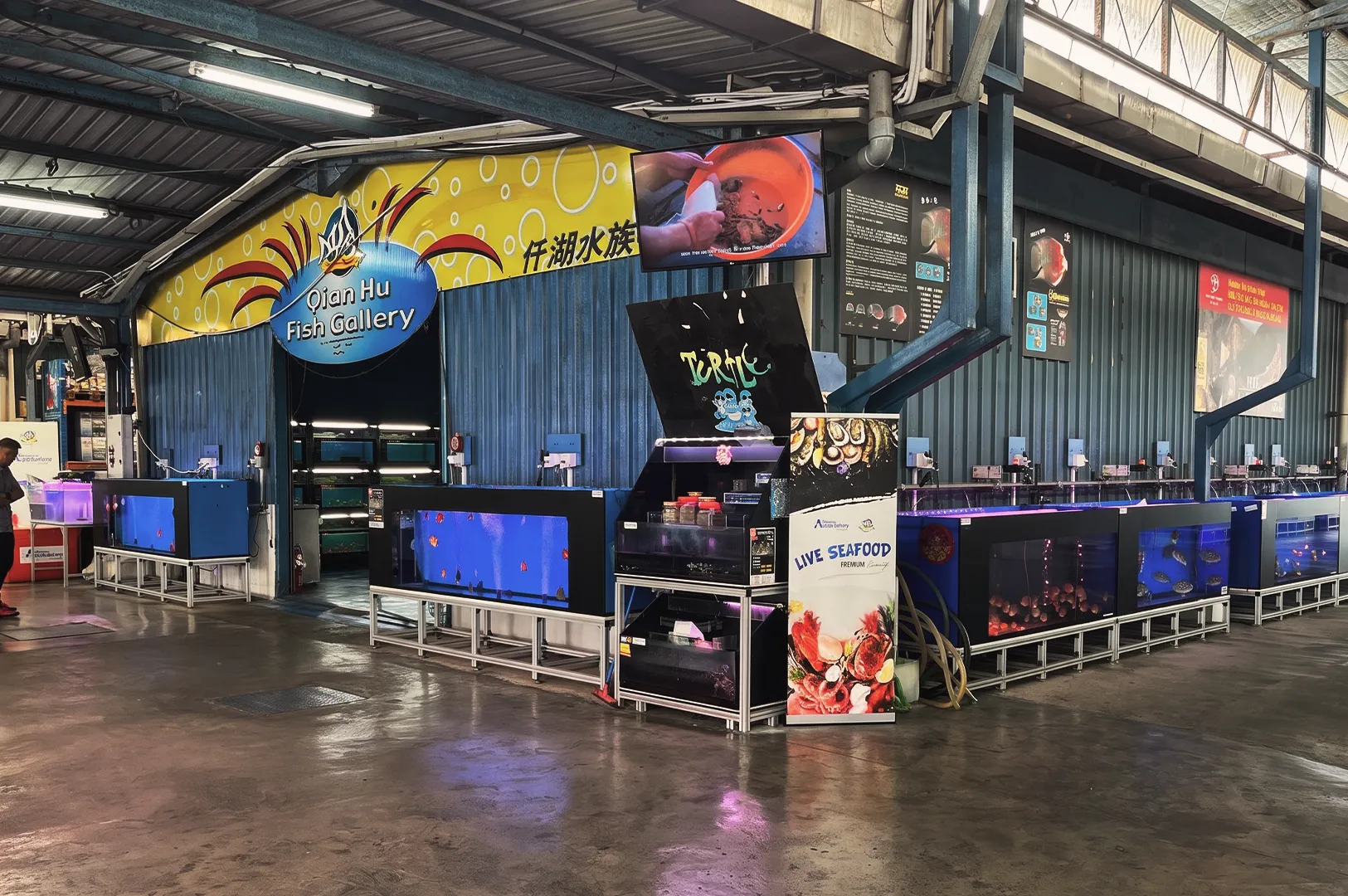
Qian Hu is an integrated ornamental fish business. It farms, imports, exports and distributes ornamental fish, and it ships more than 1,000 species and varieties to more than 80 countries. The visitor areas sit alongside a working operation. That’s what makes it interesting. You’re getting a glimpse of an industry most travelers never connect with Singapore.
The farm, at 71 Jalan Lekar, Singapore 698950, opens 9am to 6pm Monday to Friday and on the eve of public holidays, and 9am to 7pm on Saturdays, Sundays and public holidays. Entry is free, and you don’t need an appointment for a regular visit.
Longkang Fishing: The Best Hour for Little Ones
If you visit with children, longkang fishing will likely be the heart of the day. The name comes from the Malay word for drain. Generations of Singaporean kids once caught guppies in the canals and ditches near their homes. Here, you get a net, a pond and as much patience as you can muster.
I’ll admit I enjoyed it as much as any child would. There’s a rhythm to it. You wait, watch the water, lunge, miss, and wait again. When you finally catch something, the small thrill is surprisingly real. It’s the opposite of looking at fish through glass, and it slows you down without you noticing.
The longkang area is partially sheltered, so heavy rain can affect it. Wear clothes you don’t mind getting wet. On my first trip, I wore white sneakers. I haven’t made that mistake again.
The Fish Spa: A Good Rain Backup
The fish spa is the farm’s quieter, stranger pleasure. You sit with your feet in the water while small fish nibble away dead skin. The first few seconds tickle so much I nearly pulled my feet out. After that, it becomes oddly calming.
The spa is fully sheltered, which makes it a useful fallback if the weather turns. Bring a small towel, because you’ll want to dry your feet before putting your shoes back on.
Browsing the Ornamental Fish Gallery and Retail Area
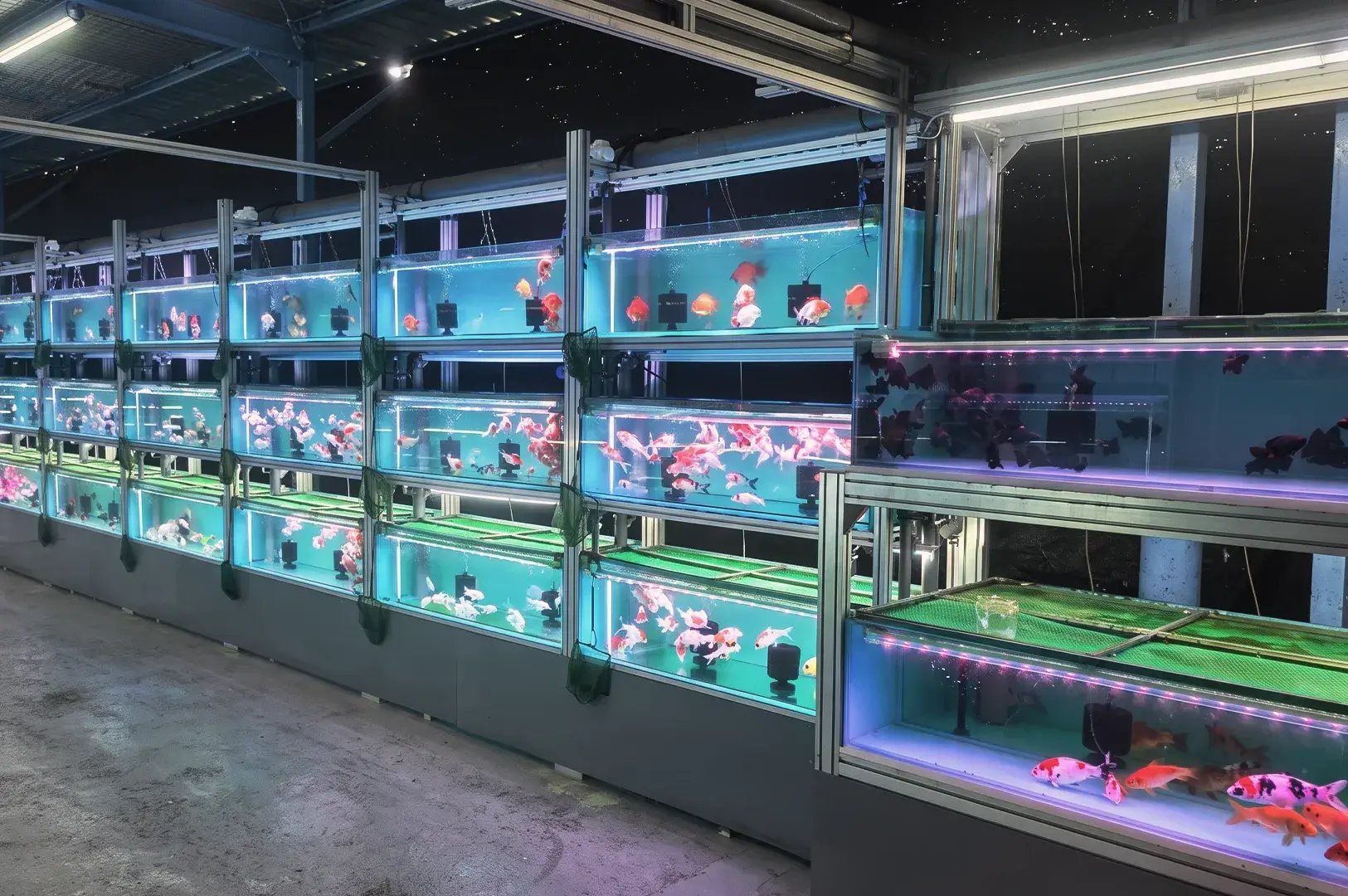
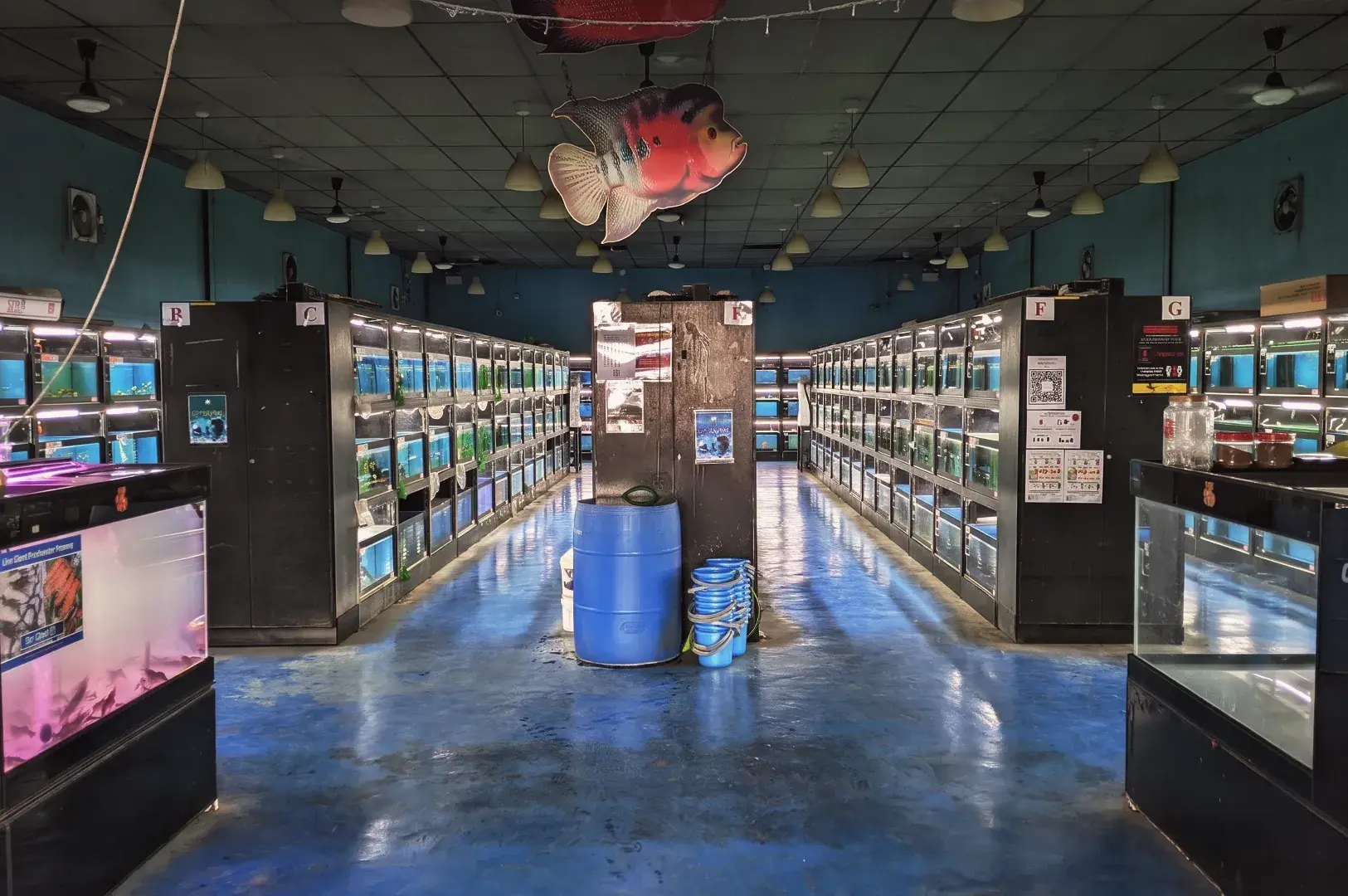
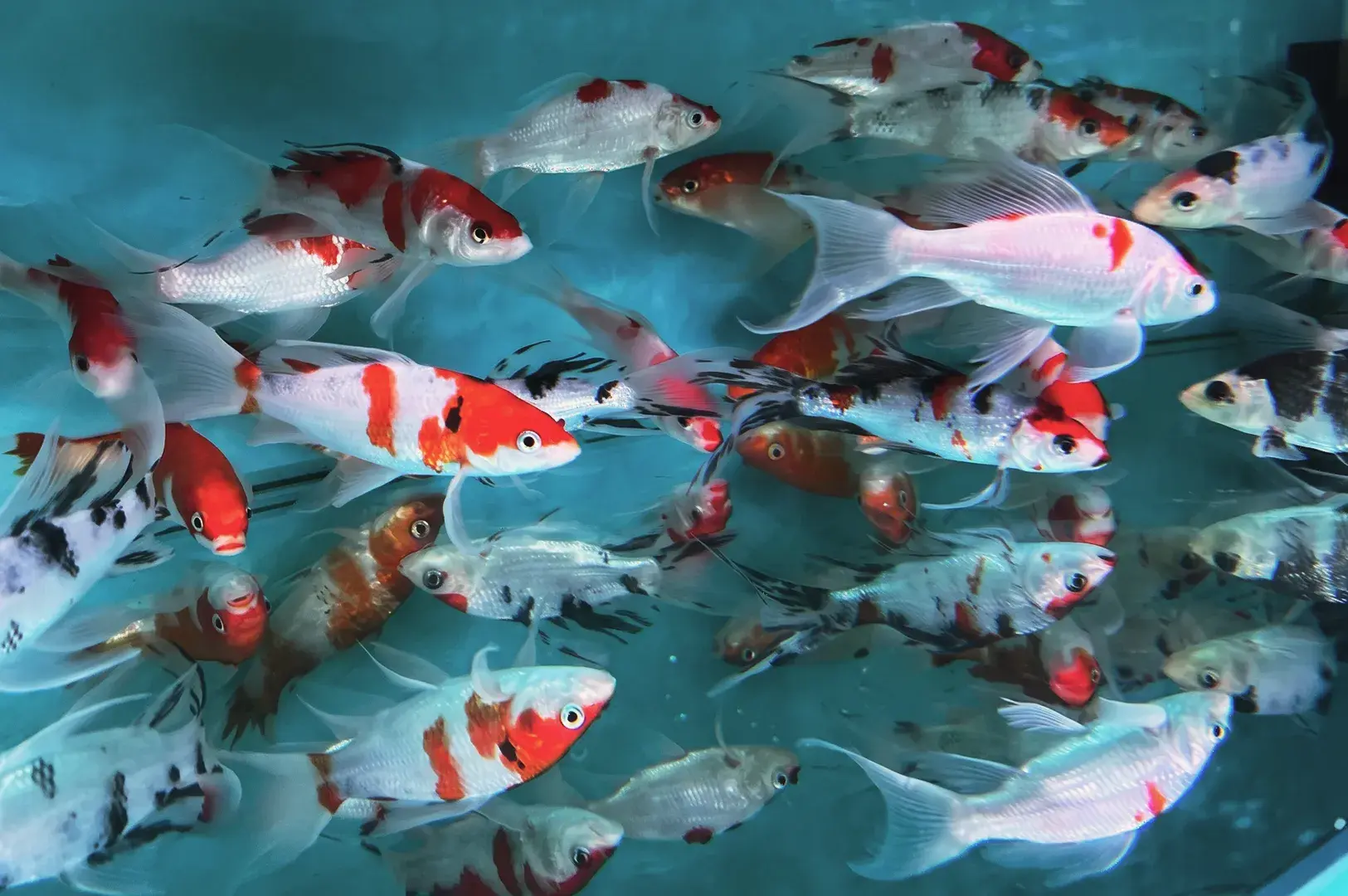
Once I’ve caught my share of fish and had my feet nibbled, I slow right down and browse. The ornamental fish gallery and retail area hold row after row of tanks. You’ll find koi, guppies, arowanas and species I still can’t name, along with turtles and shelves of aquarium accessories. Even if you have no plans to keep a pet, the sheer range of shapes and colors is worth an unhurried wander.
You’ll also find snacks, drinks and ice cream, plus a seafood counter selling fresh and frozen seafood. Payment is easy, with cash, cards, NETS, PayNow and other digital options all accepted. The snacks are fine for a break, but this isn’t a lunch destination. Plan your proper meal elsewhere.
The Farm Tour: Know Before You Go
Qian Hu does run a guided farm tour, but it isn’t a walk-in activity. Tours require a minimum of 20 participants and must be booked at least two weeks in advance. They run on weekdays, with the last slot around 3pm.
That makes them a good fit for schools, organized groups and big family gatherings, but not for a couple or a small family arriving on a whim. For most travelers, the public areas offer plenty to see and do.
Qian Hu Fish Farm Photos: What’s Worth Photographing
I’ve taken a lot of Qian Hu Fish Farm photos over the years. The ones I return to aren’t the prettiest. They’re the ones that show how a working fish farm actually looks and feels.
- The fish displays. Get close to the glass, turn off your flash, and let the colors fill the frame.
- Hands in the longkang pond. A child’s hands gripping a net tell more of a story than another tank shot.
- The infrastructure. Pipes, pumps, rows of tanks and handwritten signs show the working business behind the displays.
- The countryside outside. The quiet roads and green verges around Jalan Lekar are part of the story too.
If you’re photographing your own family at the fish spa or by the pond, that’s easy. Otherwise, ask before pointing your camera at anyone.
Slowing the Day Down Over Lunch
After two to three hours at Qian Hu, I resist the urge to rush to the next stop. This is where the day becomes unhurried.
I usually catch the shuttle back toward Choa Chu Kang and find a proper lunch near the station, where there’s plenty of choice. On one visit, I packed sandwiches and ate them later beside the water. Either way works. What matters is giving lunch real time rather than eating standing up between attractions.
Other Activities Nearby: Choose One Afternoon
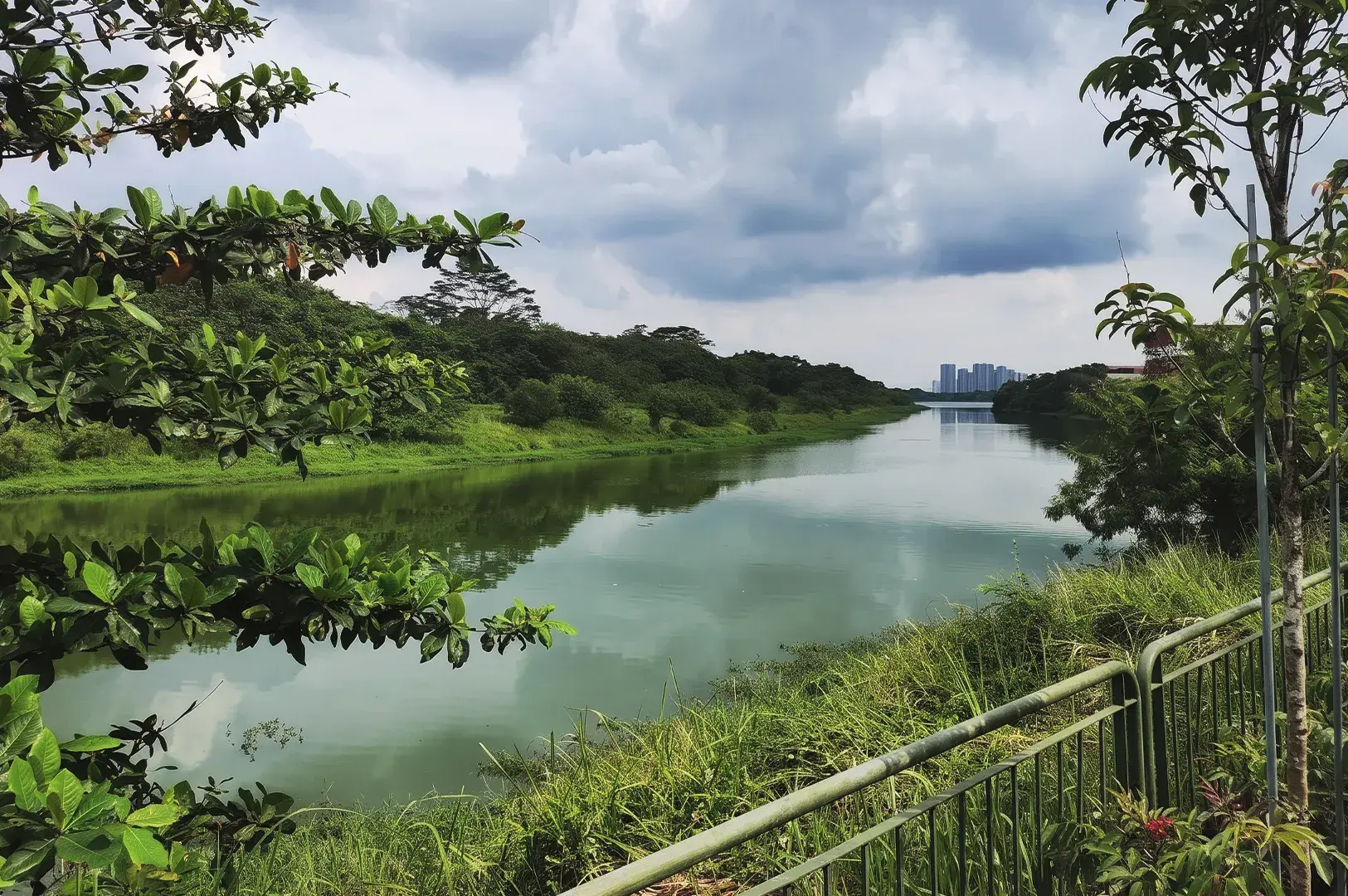
The mistake I made early on was trying to see everything in the northwest. Now I choose one afternoon stop and let it be enough. From here, a ride-hail is the easiest way to continue.
Option One: Kranji Marshes
Kranji Marshes, at 11 Neo Tiew Lane 2, is my usual choice. It’s free and open 7am to 7pm. An easy 1km path leads to the 15-meter Raptor Tower, which looks out across the marshes toward Kranji Reservoir.
More than 170 bird species have been recorded here. If you visit in November, you’ll arrive during raptor migration season, when black bazas and Japanese sparrowhawks may pass overhead. Bring binoculars, climb slowly, and stay at the top longer than feels necessary. The first time, I spent ten minutes there and saw nothing. The next time, I waited an hour and watched an eagle circle the water.
There’s a satisfying contrast in it, too. You spend the morning among fish raised in tanks and the afternoon watching wild birds.
Option Two: Kranji Reservoir
If you’ve had enough walking, head to Kranji Reservoir Park instead. It’s free, open 7am to 7pm, and covers 9 hectares beside the water. Find a spot facing the Johor Strait, sit down, and watch the light change. Don’t add anything else.
What to Bring
- Water and sunscreen
- Comfortable shoes you don’t mind getting wet
- A small towel for the fish spa
- An umbrella for sudden showers
- Binoculars if you’re heading to the marshes
If you’re planning a longer trip at this pace, here’s my guide to building a slow Singapore day trip itinerary without rushing.
The fish are what bring you to Qian Hu. By the time you’re watching birds over Kranji Marshes, you’ll realise the fish farm was only the beginning of the day.