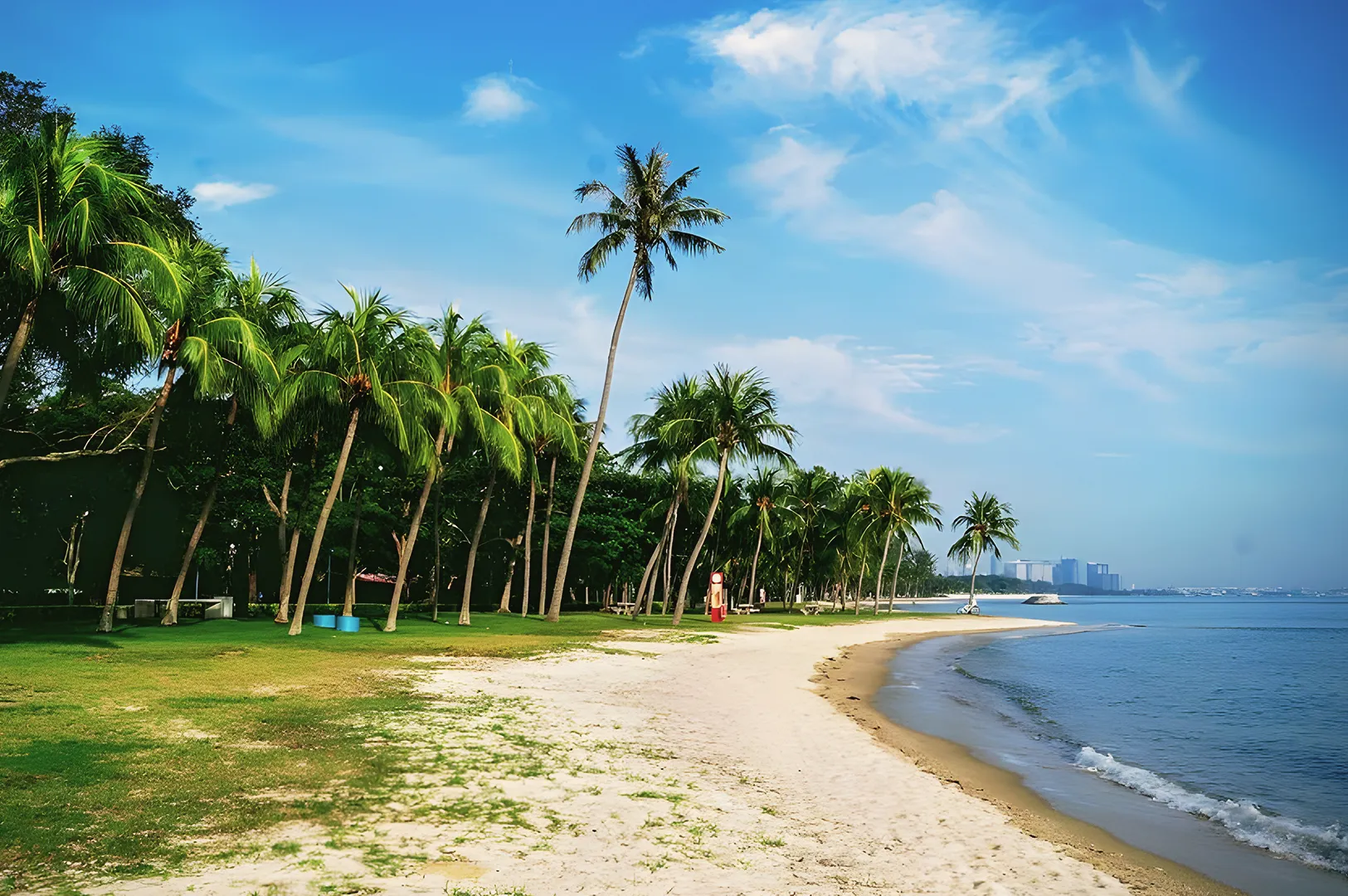
The first time I went glamping at East Coast Park, I brought a list of things to do. By the second morning, I’d thrown it away.
That’s the whole story, really. Most Singapore weekends move from attraction to attraction, ticking landmarks off between meals. This one barely moves at all. Glamping East Coast Park is a gentle, slow-paced getaway by the sea in Singapore: you stay in a comfortable tent with sea views and get three relaxing days without leaving the city. The idea is simple, almost stubborn: what if the destination wasn’t a place you drove to each day, but a tent by the sea you kept coming back to? What if three days beside the water was enough?
If you’d like more of that feeling, I’ve written about Singapore’s quieter coastal corners elsewhere, and if you’re planning a full trip, here’s a longer guide to moving slowly through Singapore without rushing between attractions. Here’s how I’d spend three slow days, how to get around East Coast Park for the stay, what to bring, where the setup falls short, and why this kind of near-home reset feels so different from the usual fast-paced weekend.
Navigating the East Coast Park Area: Getting There, and Why the Address Matters
Before anything else, a practical word that saves real frustration: don’t navigate by “East Coast Park.” The park runs about 13 kilometres, and your tent could be at either end of it.
Glamping here is run by private operators, each in a different spot. Wondrous Glamping offers seaside tents located at East Coast Park, usually around Area D5, with a standard package from about S$170 for two. Go Glamping SG also operates at East Coast Park, with tents near Carpark D5. Glamping Kaki pitches over at Area G, listed at 1500 East Coast Parkway. Confirm your operator’s exact east coast park area and carpark before you leave home. I once turned up at the wrong end and spent forty sweaty minutes walking the coast with a duffel bag, which is not the unhurried start anyone imagines.
For Area D, check the exact carpark with your operator rather than relying on a nearby MRT station. For Parkland Green, NParks recommends travelling from Bedok MRT by Bus 31 or 196 to Parkway Parade, then walking through Marine Parade Central.
One more thing that catches out visitors from overseas. The camping permit itself is free through NParks, but glamping options generally still require one even when you book through an operator, and applying needs a Singapore residential address. If you don’t have one, check with your operator first — some will sort the permit for your site, and you don’t want to find that out after paying. Reserve in advance because popular dates can fill quickly.
Glamping East Coast Park Experience: Day 1 – Arrive Without a Checklist
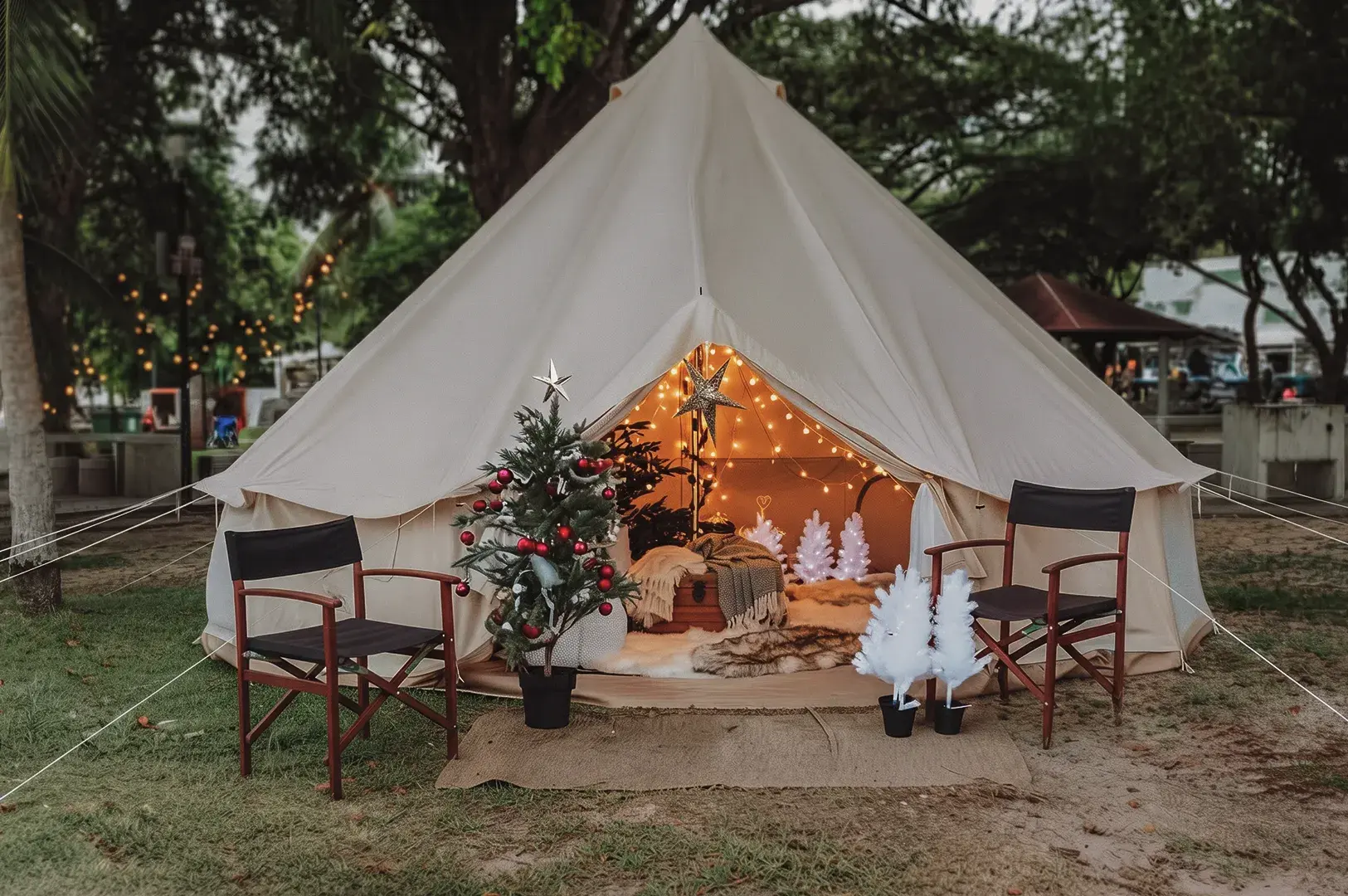
Check-in lands in the early afternoon, so there’s no rush to the coast. Settle into the tent first. Sit on the bed. Let your shoulders drop.
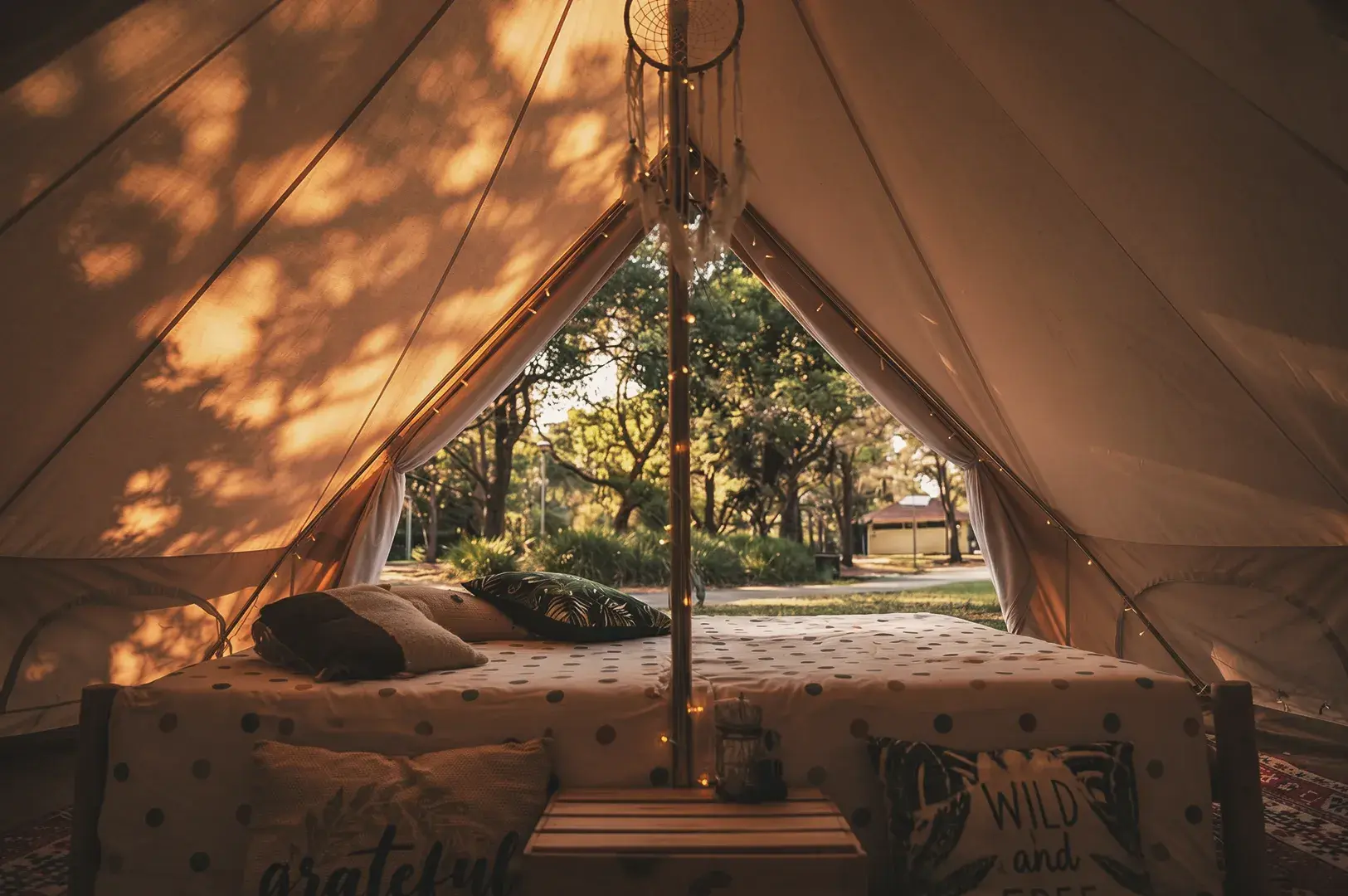
The tents are more comfortable than the word “camping” suggests — the setup combines camping with hotel-like luxuries, so expect proper beds, bedding, fans, electricity in many setups, a small table, and fairy lights strung across the canvas for extra convenience when it gets dark. Worth knowing, though: these are fan-cooled, not air-conditioned. If you want a cold room, Glamping Kaki and some others also run air conditioning setups, but the East Coast tents trade the chill for a sea view, open-air style, and the open air. On a breezy evening, I’ve never minded. On a still, hot humid one, you’ll be glad you packed light.
Unlike traditional camping, you are not setting up your own tent.
It is usually pricier than traditional camping, but that comfort trade-off is the point.
Once you’re settled, walk to the water. Don’t plan the walk. Just go until the sand starts, then keep going a while.
Later, rent a bicycle — the rental shops dot the park, and the flat coastal path is made for aimless riding. I like heading out with no destination in mind, turning back whenever something looks worth stopping for. This is one of those rare places where getting slightly lost is the point.
For dinner on the first night, keep it easy. Grab something from a nearby eatery or restaurants and bring it back. Then sit outside as the park empties and quietens. The first luxury of glamping East Coast Park isn’t the tent at all. It’s realising you don’t have to leave it to find all the fun to do.
Day 2: Let the East Coast Park and Heavenly Glamping Be Enough
This is the heart of the weekend, and the trick is to under-plan it — whether it’s a couple’s escape, a family weekend, or time away with friends.
Wake before the heat settles — the mornings here are the coolest, softest part of the day. Make a slow coffee. Walk the shoreline while the joggers pass and the light comes up over the sea. Take your time with breakfast; there’s nowhere you need to be. East Coast Park also suits family-friendly glamping, with larger tents making group stays more comfortable; Heavenly Glamping has options for up to six guests, so children have room to settle in without the camp feeling cramped.
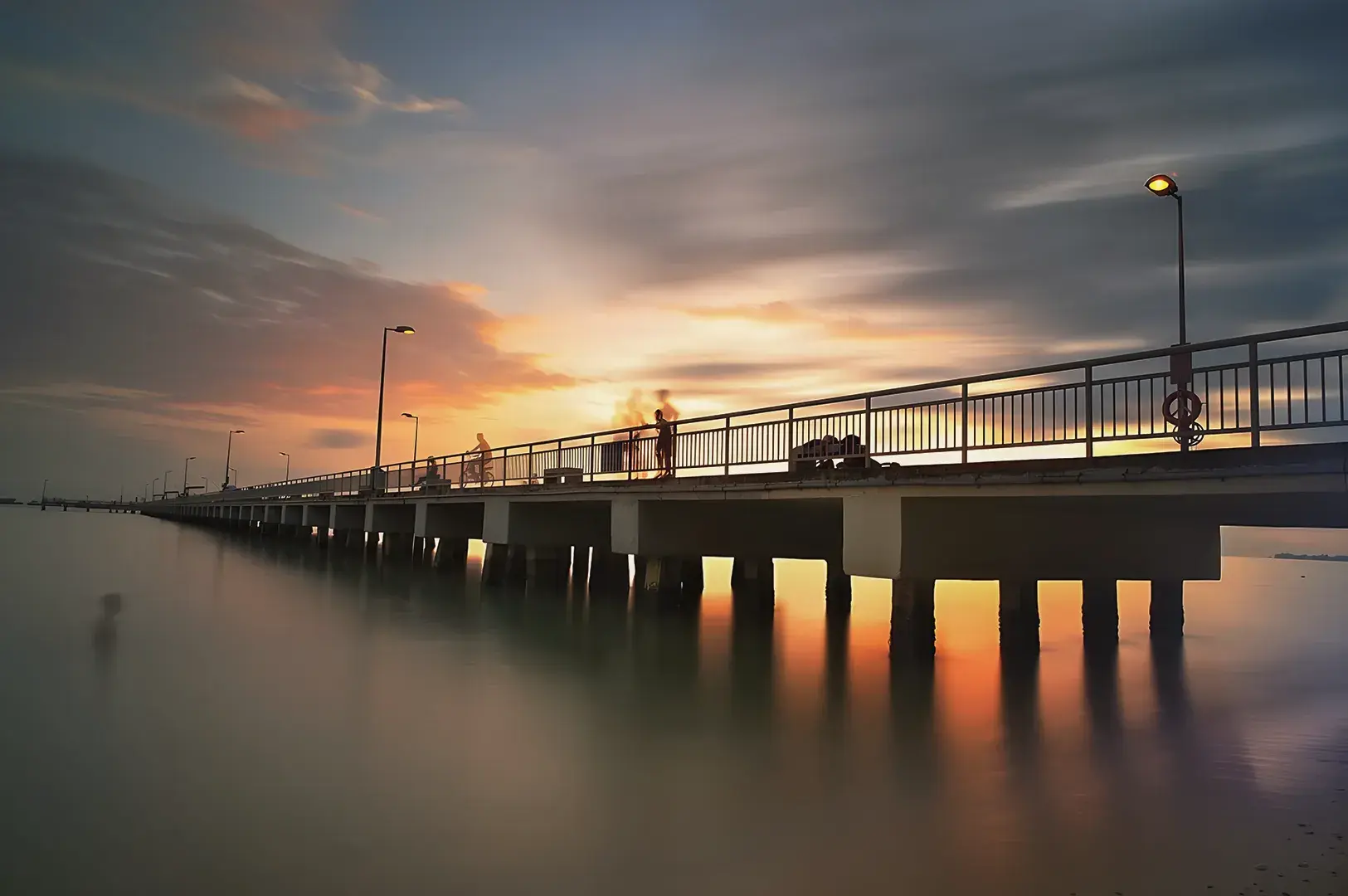
Wander out to Bedok Jetty in the quieter hours. It’s not a secret spot, but early morning gives it a different feel — a long stretch of pier over the water, anglers casting lines, the city humming somewhere behind you. Don’t treat it as a photo stop and move on. Walk to the end, sit, watch the water, come back when you feel like it.
By mid-morning, cycle again if the mood takes you. The park connects into Singapore’s wider network of coastal paths, and you can ride a surprisingly long way. You can also switch things up with water sports if you want more than a ride. But you don’t have to reach anything. Pick a direction, ride until it stops being interesting, and turn around. Get back to camp before the strongest heat arrives.
Then comes the part most itineraries would quietly delete: the afternoon when you do nothing. Read in the shade surrounded by lush greenery. Nap through the hottest hours. Talk, or don’t. Watch the rain roll in off the sea if it does — it often does, briefly, then clears. Some setups, including Wondrous Glamping, provide board games with each tent rental, which fits this kind of low-key relaxation. This isn’t wasted time. This is the whole reason you came.
If you’re tempted by the water, one honest note. NParks has been advising visitors to check jellyfish advisories along Singapore’s southern coasts before swimming, so look up the latest guidance rather than assuming the sea is clear.
For dinner, you’ve got two happy options. Book a barbecue pits or bbq pit — they run around S$12 to S$20 for the day, and there’s something right about grilling your own meals a few steps from where you’ll sleep. Or walk over to East Coast Lagoon Food Village, one of the park’s various food options, including hawker centres, where you can eat satay and seafood with the sea breeze coming in. Either way, end the night with a walk along the beach in the dark under fairy lights. No sunset viewpoint to chase, no final attraction. Just the sound of the waves and the fairy lights waiting back at the tent, and a last quiet moment to enjoy.
Day 3: Leave Slowly from the Coast Park
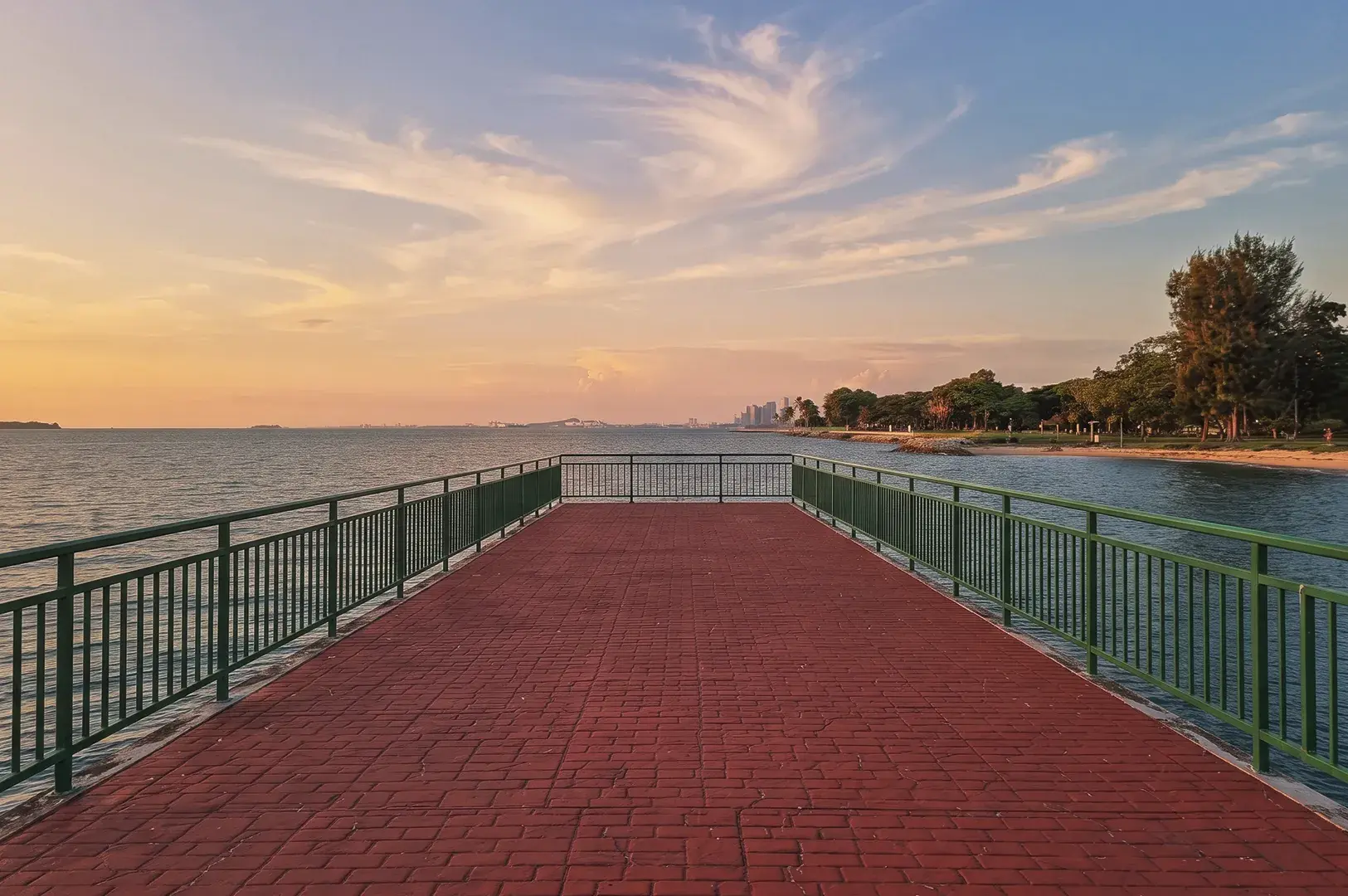
The last morning shouldn’t feel like checkout is chasing you.
Wake early again — it’s become a habit by now — and take one more walk while the park is still soft and empty. Make breakfast slowly. Have a final coffee facing the sea. There’s no rush; even after you’ve packed your bags, the coastline isn’t going anywhere.
Take a last long look at the water before you fold up the day. If you want a small, quiet stop on the way home rather than another big landmark, Katong Park sits nearby — a peaceful patch of green with the excavated remains of an old fort, open all hours. It’s the gentlest possible way to ease back toward the city.
Then leave. You won’t have seen all of Singapore this weekend. You weren’t supposed to.
What to Bring for a Memorable Glamping Experience

Pack light, and pack for the outdoors:
- Light, breathable clothing (the tent gets hot)
- Comfortable shoes for walking and cycling
- Sunscreen and insect repellent
- A reusable water bottle
- A portable charger
- A small towel and your toiletries
- Rain protection — a compact umbrella or light jacket
Many tents already come with double air mattresses, fairy lights, cushions, and picnic tables, so you can pack lighter and choose from a range of simple setups or themed packages if you prefer. Some also include utensils, glasses, snacks, and, in certain cases, air-conditioning, so you can opt for fewer extras. Some sites offer BBQ pits for cooking and can arrange celebration setups for occasions such as birthdays or anniversaries.
A few honest limitations worth knowing before you book. The tents don’t come with private toilets or showers, so you’ll use the park’s public amenities. You may hear aircraft overhead, so light sleepers may want earplugs. And the fans do their best, but they won’t turn canvas into a hotel room.
Why This Unique Blend of Glamping and Nature Stays With You
East Coast Park isn’t the sort of place that asks to be conquered. There’s no viewpoint you must reach, no landmark that justifies the trip. There’s only the long coastline, the bicycles passing in the morning, the smell of someone’s dinner drifting through the park, and the sea carrying on beside you.
Maybe that’s what makes glamping East Coast Park Singapore quietly worth doing: it combines outdoor beach vibes with comfortable tent accommodation. You’re not escaping the city so much as meeting a slower version of it — one that’s been here the whole time, just past the joggers and the food stalls, away from the hustle and bustle. If you’re seeking an unforgettable experience, it’s easy to immerse yourself in that slower rhythm.
Three days is more than enough when you stop measuring a weekend by how much you managed to do. Bring less than you think, plan even less, and let the sea set the pace; many setups use large bell tents with scenic views, which makes the stay feel different from standard camping. Rates vary, but examples include Wondrous Glamping from S$170 for 2 pax, Glamping Society from S$299 per night, the Couple Deluxe Package at S$269 per night, and the Superior Large Tent at S$290 for 6 pax. It’s been keeping this slower rhythm far longer than we have.