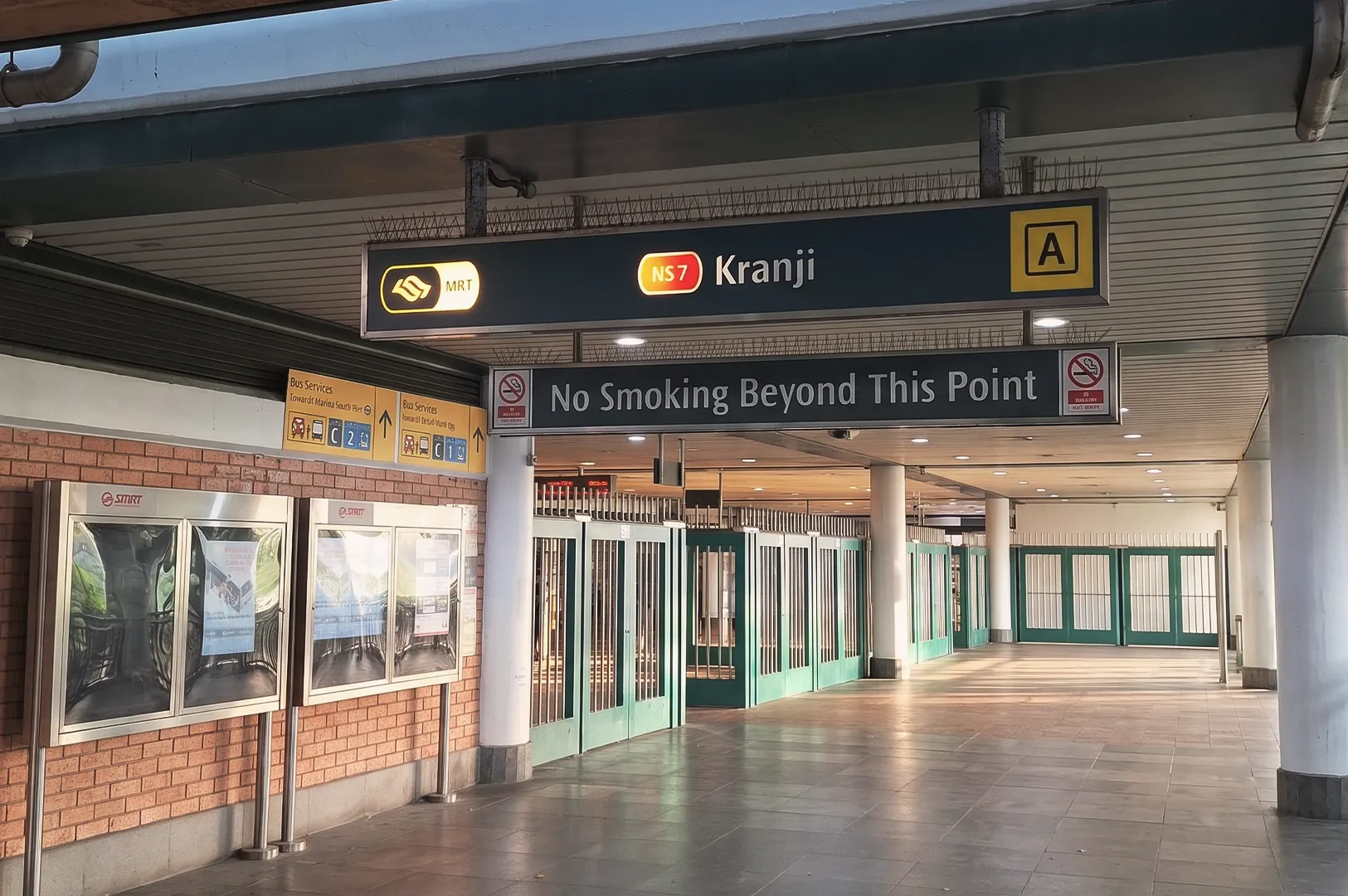
Most people picture Singapore the same way. They see skyscrapers, shopping malls, the MRT, hawker centers, and a list of attractions to get through before dinner. I pictured it that way too, for years. Then one morning I took the train north and kept going until the city began to thin out. I’ve been making that trip ever since.
The Kranji countryside is Singapore’s rural northern edge, where the city gradually gives way to farms, wetlands, and nature reserves. It isn’t a single place you arrive at so much as a slow change in scenery. The high-rises step back and the roads widen. Greenhouses replace car parks. Somewhere between the last housing block and the first farm gate, Singapore starts to feel like a different country.
If you’re collecting places like this, read more here.
The Road North: Where the Kranji Countryside Begins
If you’re visiting Singapore and want a quieter day beyond the usual sights, this is where the city slows down. I’ll show you how to get around Kranji, what to expect from stops like Hay Dairies, Bollywood Farms, Kranji Marshes, and Kranji Reservoir Park, and how to plan the area as a relaxed day trip rather than a race between farms. That change is the reason I go. It’s also what makes Kranji worth your time: it reveals a side of Singapore that most travelers miss, while bringing you closer to the country’s farm life, food production, and natural heritage.
From Kranji MRT, the journey out toward Neo Tiew Road shows you the change before you’ve stopped anywhere. The towers of Woodlands fall away behind you. The traffic thins. Then the details begin to appear: a hand-painted farm sign, a row of nurseries with potted palms spilling onto the verge, a field that looks unfinished in the best possible way. On one visit, a heron stood in a roadside ditch.
It would be easy to call this untouched countryside, but it isn’t. Kranji and nearby Lim Chu Kang are a working landscape. Farms share the area with wetlands, reservoirs, military land, and modern infrastructure. Pineapple plantations and pig and poultry farms once spread across this corner of the island, and farming grew through the 1950s and 1960s. Much of that is gone now. What remains is one of the last places where you can still see Singapore working the land.
What surprised me most was that Kranji isn’t only looking backward. Alongside older farms, growers here are experimenting with technology, sustainability, and new ways of producing food. Kranji gives you a glimpse of where Singapore came from, and of the food system it’s trying to build next.
A Note on Getting Around
Be honest with yourself about transport before you plan anything. The Kranji farms are spread across Neo Tiew Road, Neo Tiew Crescent, Lim Chu Kang, and Sungei Tengah. They aren’t clustered like stalls in a market. Some places have bus access or a farm-specific shuttle. Others are far easier to reach by taxi or private-hire car.
Plan it the other way around from most trips. Choose your stops first, then work out how to reach them. And choose only one or two farms. I tried to fit in more on an early visit and spent most of the afternoon watching my phone for a ride instead of watching the fields. The countryside doesn’t reward that kind of day.
A Goat Farm at Milking Time
If I had to recommend one farm, it would be Hay Dairies, at 250 Neo Tiew Crescent. It has been Singapore’s only goat farm since 1988, and today it’s home to more than 800 goats.
Arrive early. Milking takes place between 9am and 10:30am, and watching it is the heart of the visit. You can’t milk the goats yourself. I’ve come to think that’s a good thing, because it turns you into an observer rather than a participant. There’s the steady rhythm of the work, the patience of the farmhands, and the faint, earthy smell of hay and animals. It’s a long way from a supermarket shelf, and it reminds you where milk actually comes from.
Afterward, you can buy a packet of alfalfa hay for S$6 and feed the goats in the designated area. Children love this. So, I’ll admit, do I. Hay Dairies also sells fresh goat milk for S$2.50 per bottle.
Individual visitors and families of fewer than 10 people can walk in free of charge, with no booking needed. Larger groups need to book a paid educational tour. The farm opens from 9am to 4pm and closes every Tuesday, except on public holidays.
My advice is simple. Don’t just take a photo of the goats and leave. Stay through the milking. Let the morning settle around you.
Lunch Where the Food Is Grown
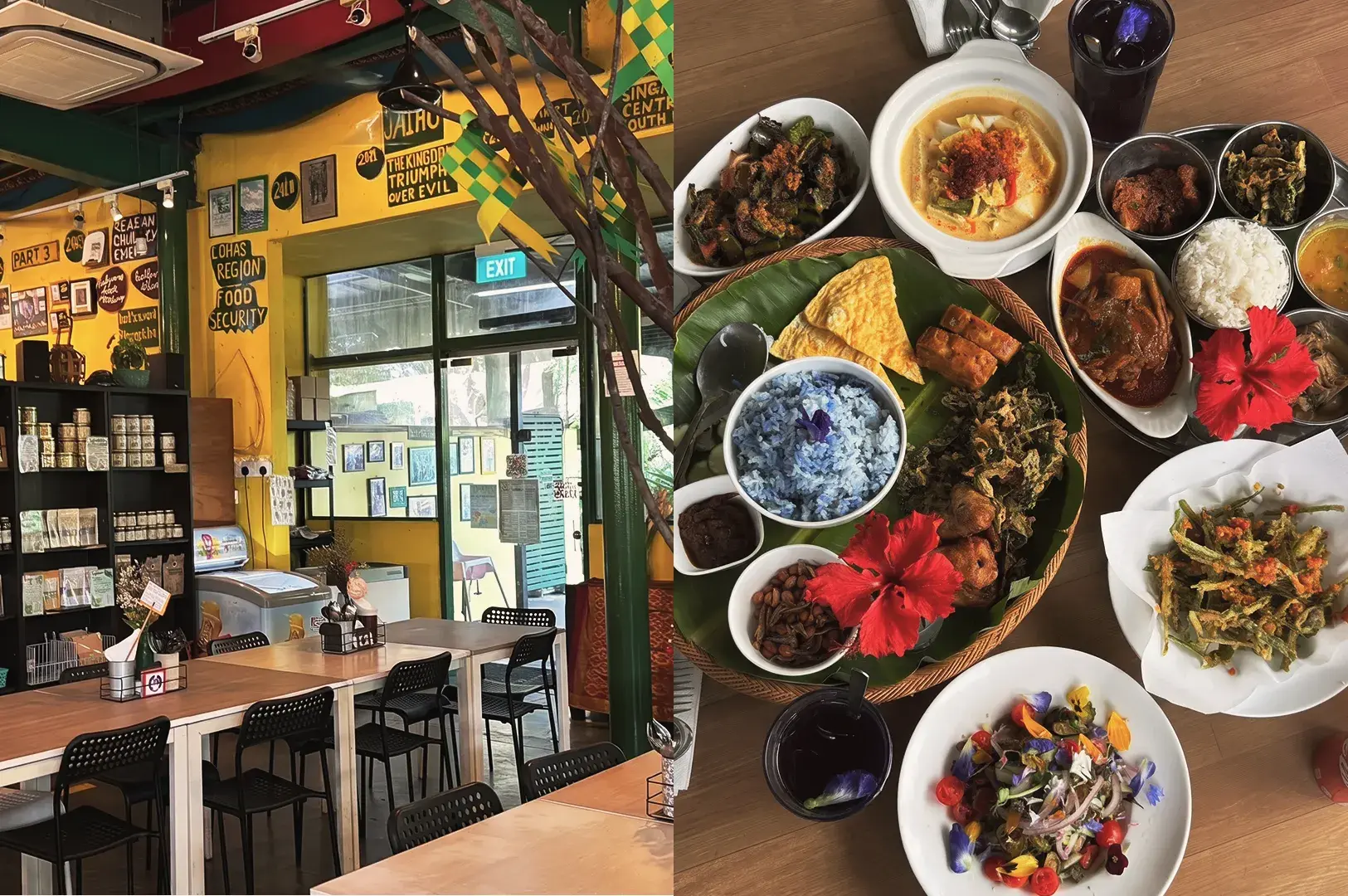
A short distance away, Bollywood Farms, at 100 Neo Tiew Road, connects the land to the plate. Ivy Singh and Lim Ho Seng founded this heritage 10-acre organic farm in 2000, and today it brings farming, education, and food together on one site. If you’re visiting, guided farm tours offer an educational look at sustainable farming practices, including vegetable and fish farming.
Walk the grounds before you eat. Look at what’s growing, what’s flowering, and what’s nearly ready to harvest. Then sit down at Poison Ivy Bistro, where the seasonal menu draws on produce grown right there and serves farm-fresh vegetarian and local dishes. Eating a meal a few steps from where its ingredients were picked changes the way you taste it. Lunch here is meant to take a while, so let it.
Before you leave, browse the farm’s small range of products, such as banana cake, tapioca chips, sambals, and kaya. The farm is also Singapore’s largest banana producer, which makes the banana treats especially fitting souvenirs. They make far better souvenirs than anything at the airport.
Public hours are Wednesday to Friday, 10am to 3pm, and Saturday, Sunday, and public holidays, 7am to 6pm. Private events take up some weekdays, so check the current schedule before you travel. On wet days, the farm offers sheltered alternatives, so a light shower doesn’t have to cancel your plans.
Kranji Marshes: Among Singapore’s Quietest Nature Reserves
After lunch, the day slows further. Kranji Marshes, at 11 Neo Tiew Lane 2, is one of my favorite places in Singapore to do very little.
One of Singapore’s largest freshwater marshes, the reserve covers 56.8 hectares, but only about 8 are open to the public. The rest is protected habitat, and I like knowing that. It means much of the marsh simply belongs to the birds and other wildlife. Entrance is free, and the gates are open from 7am to 7pm.
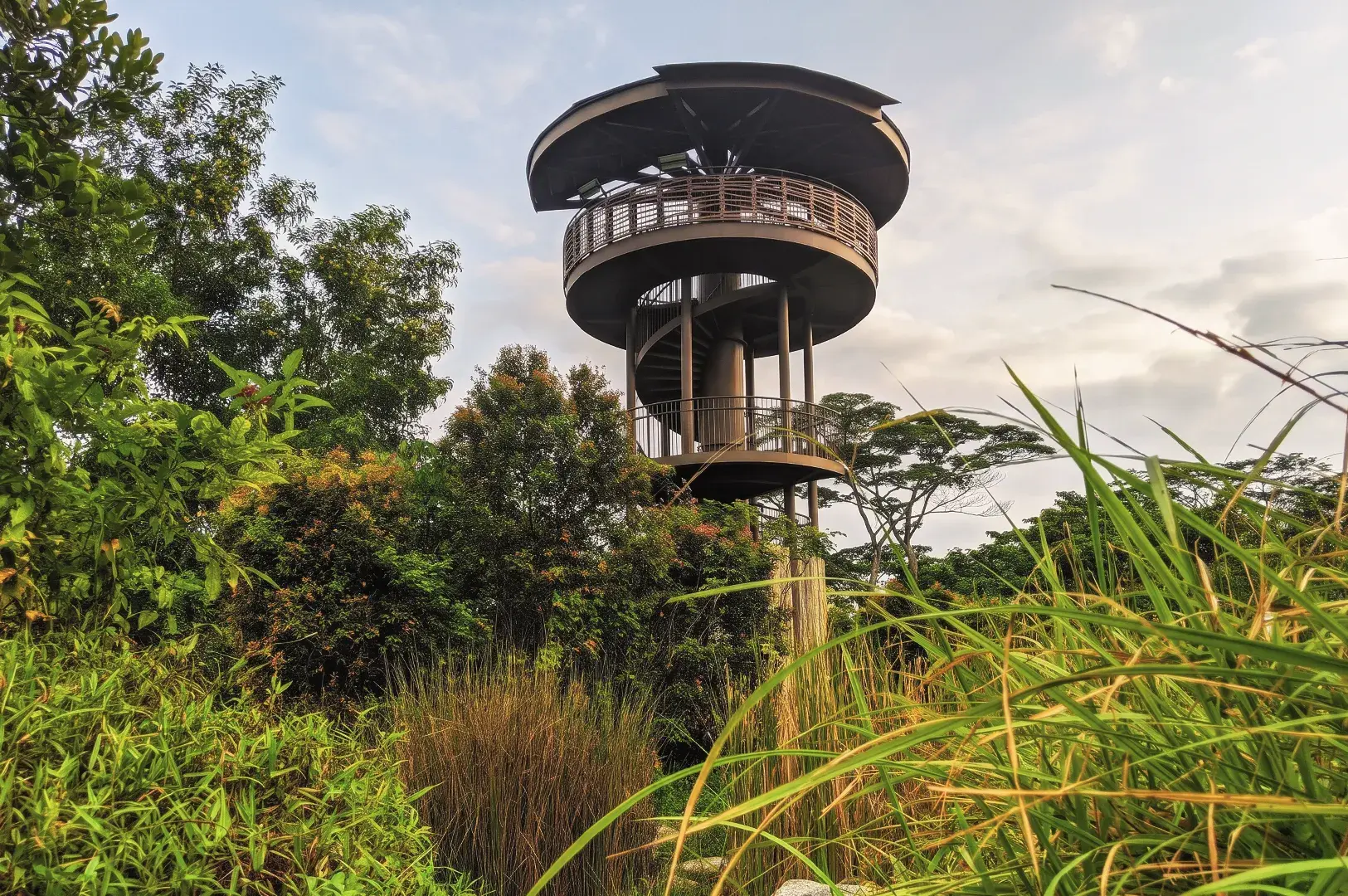
An easy self-guided walking route runs about 1km from Neo Tiew Woods to the 15-meter Raptor Tower, roughly 20 minutes each way, and you can climb the stairs for a lovely view over the marsh toward Kranji Reservoir. If you want to explore the restricted conservation areas, guided tours are needed because they are not open for independent visits. More than 170 bird species have been recorded here, from purple swamphens and kingfishers to herons and white-bellied sea eagles. Between November and March, migratory raptors such as black bazas and Japanese sparrowhawks pass through.
Bring binoculars if you have them, and don’t rush the tower. The first time I climbed it, I spent ten minutes and saw nothing. The second time, I stayed an hour and watched an eagle circle the water. Birdwatching asks for patience, and it rewards it.
If you’d like to understand the wetland rather than simply look at it, NParks runs free guided walks. Registration is required.
If you have an early start and a taste for mudflats and mangroves, the nearby Sungei Buloh Wetland Reserve, an ASEAN Heritage Park, opens at 7am. It makes a fine first stop on a nature-focused day, with hides and bluffs designed for quiet viewing.
Kranji Reservoir Park: Letting the Day End Quietly
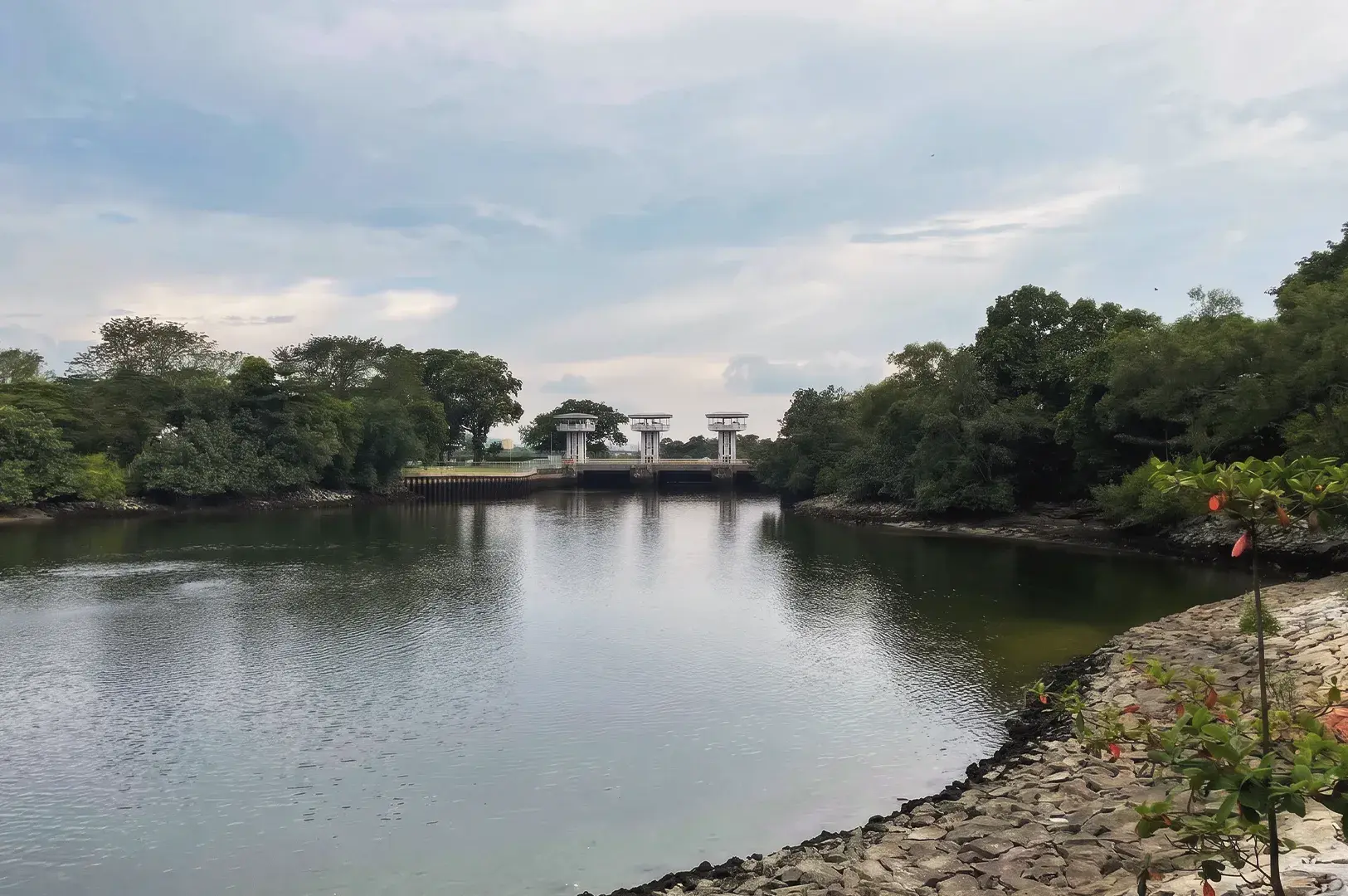
This is the part of the day most itineraries would fill with another attraction. I’d encourage you not to.
Kranji Reservoir Park, along Kranji Way, is 9 hectares of open water and quiet banks, and its history here goes back to the 1970s. It’s free and open from 7am to 7pm. People come for fishing, picnic, or simply sit with a view toward the Johor Strait and the low skyline of JB beyond it.
I usually end my Kranji days here, doing nothing in particular. I watch the anglers cast and the light change over the water. After a morning of goats and an afternoon of birds, it feels right to let the last hour have no purpose at all.
A Quieter Stop on the Way Home
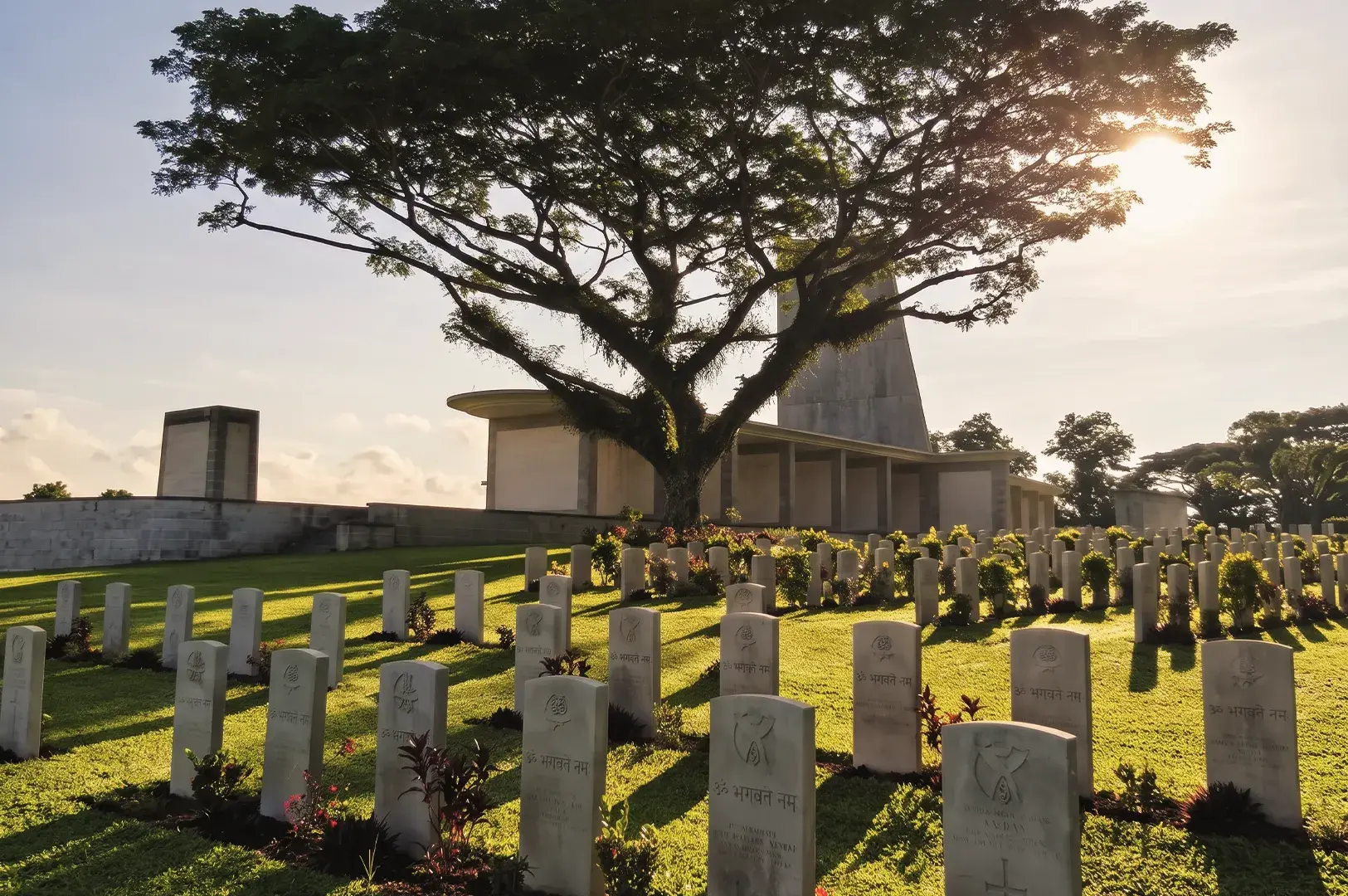
If you have time, Kranji War Cemetery, at 9 Woodlands Road, adds a more solemn layer to the day. The Commonwealth War Graves Commission maintains it, and more than 4,400 servicemen and women who died in the Second World War are buried here. It’s free to visit and generally open from about 8am to 6pm.
The rows of white headstones on the hillside are deeply moving. Walk slowly, speak softly, and leave the camera in your bag. This is a place for remembering, not a photo stop.
What to Bring for a Day of Outdoor Activities
Kranji is outdoors almost all day, so pack accordingly:
- Water, because there are long stretches without convenient shops
- Sunscreen and a hat, since shade is limited in the open fields and marshes
- Insect or mosquito repellent, as wetlands and farms are naturally full of insects
- Binoculars, if you plan to birdwatch
- Covered, comfortable shoes for the marsh trails
- An umbrella, because Singapore’s weather changes quickly
If you want a simple meal nearby, 555 Halal Thai Restaurant is located next to Kranji Marshes.
One of the quiet pleasures of Kranji is how little it costs. The marshes, the reservoir, the war cemetery, and a walk-in visit to Hay Dairies are all free. Your main expenses will be transport, a packet of hay, and a long lunch.
Fewer Things Demanding Your Attention
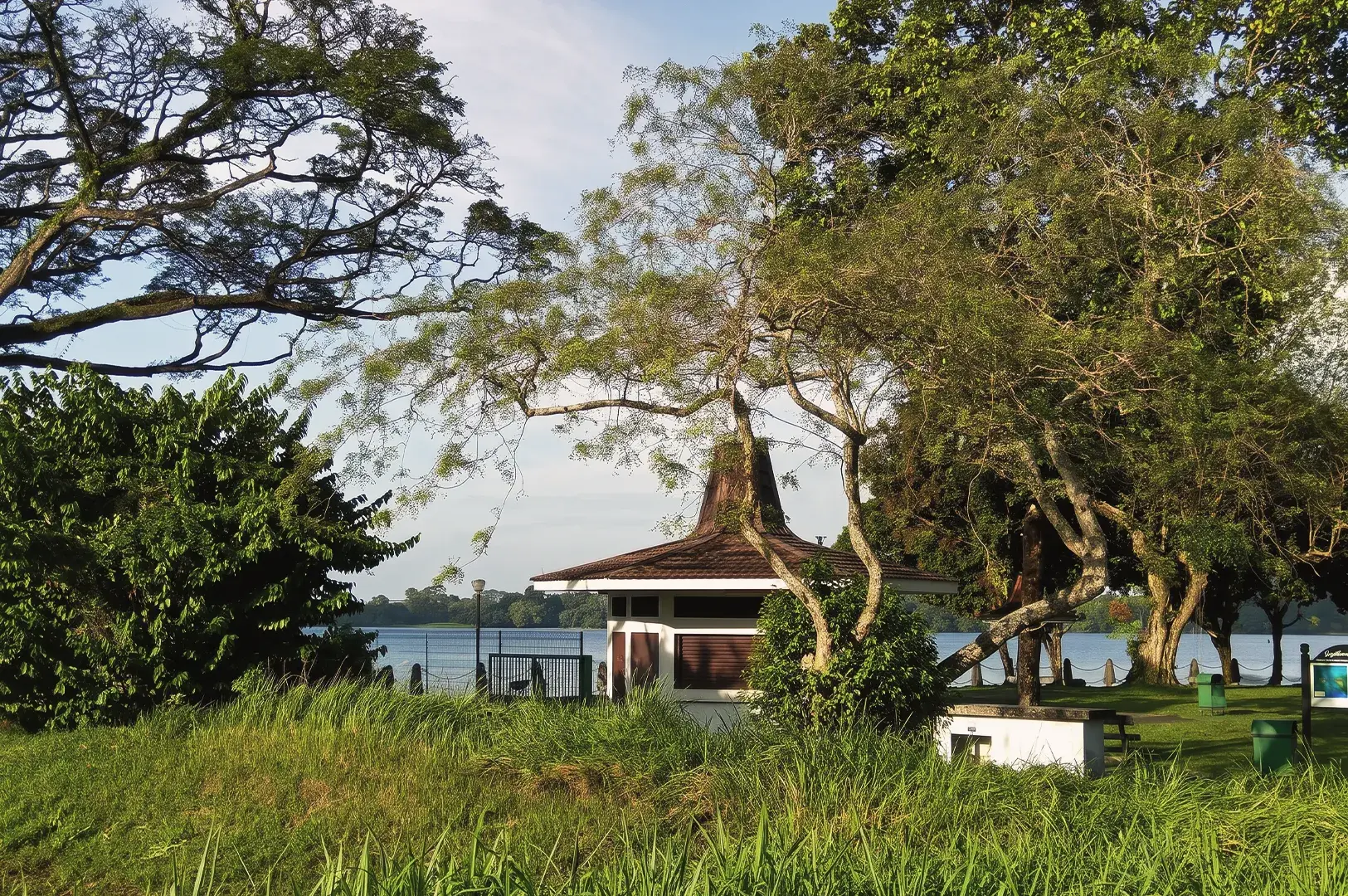
Kranji doesn’t offer the usual Singapore rewards. There’s no observation deck, no famous museum, and no endless row of restaurants. For an overnight opportunity, you can spend longer in the countryside at Kranji Sanctuary Resort, whose unique villas and farmhouses are perfect if you want to relax and reconnect. Kranji Farm Resort also offers fully air-conditioned glamping tents, complete with elaborate outdoor picnic setups, so you can chill after the heat and, honestly, turn a day out into a fun stay. Its pleasures are smaller: goats being milked, a bird rising from the reeds, vegetables sold where they were grown, an hour beside still water.
The point of the Kranji countryside isn’t that it has more things to do. It’s that it has fewer things demanding your attention. And if you’d like to build a full trip around this pace, start with a slow Singapore countryside day as part of a gentler itinerary.
Pick one farm, perhaps two. Let lunch run long. Let the marsh have an hour instead of twenty minutes. By the time you’re heading back toward the towers, you’ll feel as if you’ve traveled much farther than you have.
You don’t have to leave Singapore to find the countryside. You just have to travel far enough from the skyline to remember it is still there.