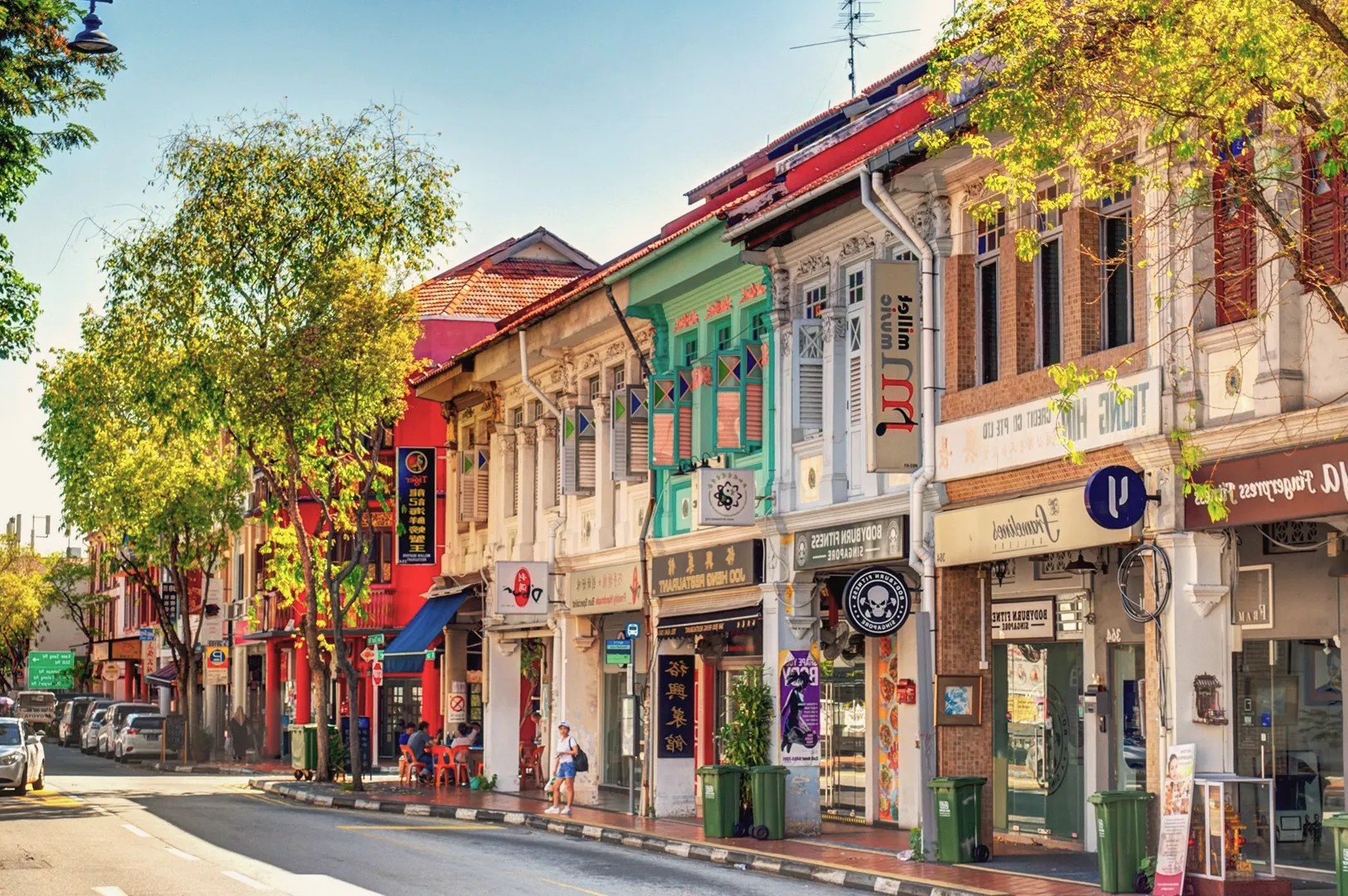
The first time I tried to “do” Joo Chiat, I finished it in ninety minutes. Kaya toast, a bowl of laksa, a photo of the colourful houses, gone. I’d ticked the boxes and understood nothing.
I’ve gone back many times since, and I do it differently now. I don’t try to conquer the neighbourhood. I eat slowly, walk between meals, and let the streets fill the gaps. If you’re wondering joo chiat what to eat, this isn’t a ranking of five famous restaurants. It’s one slow day — breakfast to dinner — where the food is simply the reason to stay longer.
So come hungry, but not in a hurry. If you’d like more slow ways to move through the city, read more here, and there’s a fuller guide to unhurried days across the island over at https://unrushedplaces.com/a-slow-singapore-travel-itinerary-how-to-experience-the-city-without-rushing/.
Here’s how I’d spend it. One neighbourhood. One day. No rush.
Joo Chiat What to Eat: Start the Morning Slowly with Kaya Toast and Coffee
Don’t begin with the trendiest café. Begin with kopi.
I always start at Chin Mee Chin Confectionery on 204 East Coast Road. It’s an old confectionery whose green mosaic tiles, marble tables and classic pastries have survived generations, the kind of place where the fans clack and the marble tables have seen decades of elbows. Order the kaya toast, soft-boiled eggs, and a cup of kopi. Crack the eggs into a saucer, splash in dark soy and white pepper, and dip.
I’m not going to tell you it’s the best breakfast in the neighbourhood. I’ll tell you it’s the right one to begin with. It asks you to sit down before the day starts, and that’s exactly the tone this walk needs.
One thing I’ve learned: don’t rush the coffee. If breakfast takes an hour, let it take an hour. There’s nowhere you need to be yet.
Walk Joo Chiat Road and Explore the Eclectic Mix of Shophouses and Cafes
This is where the day breathes, and it’s the part most people skip.
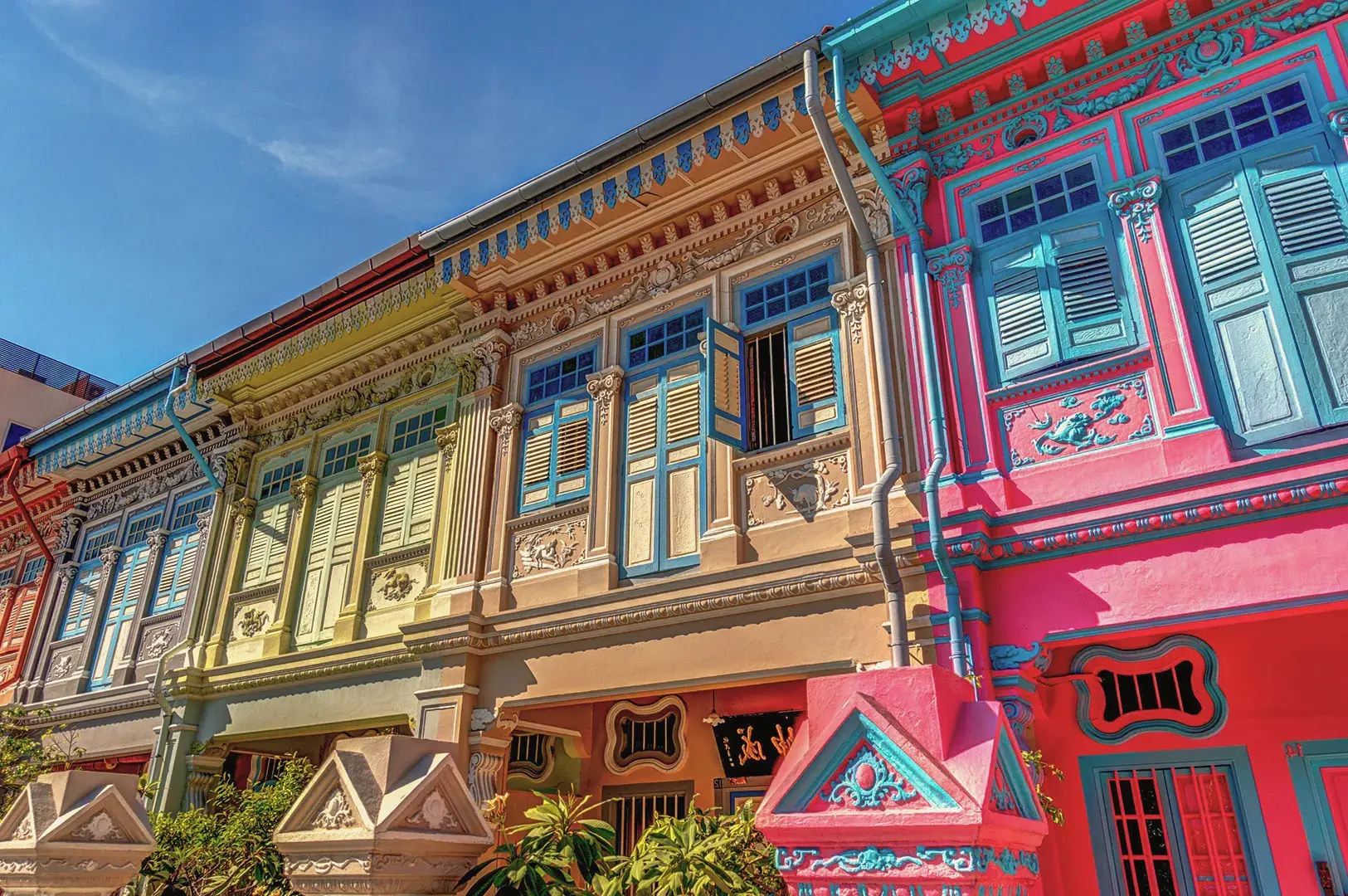
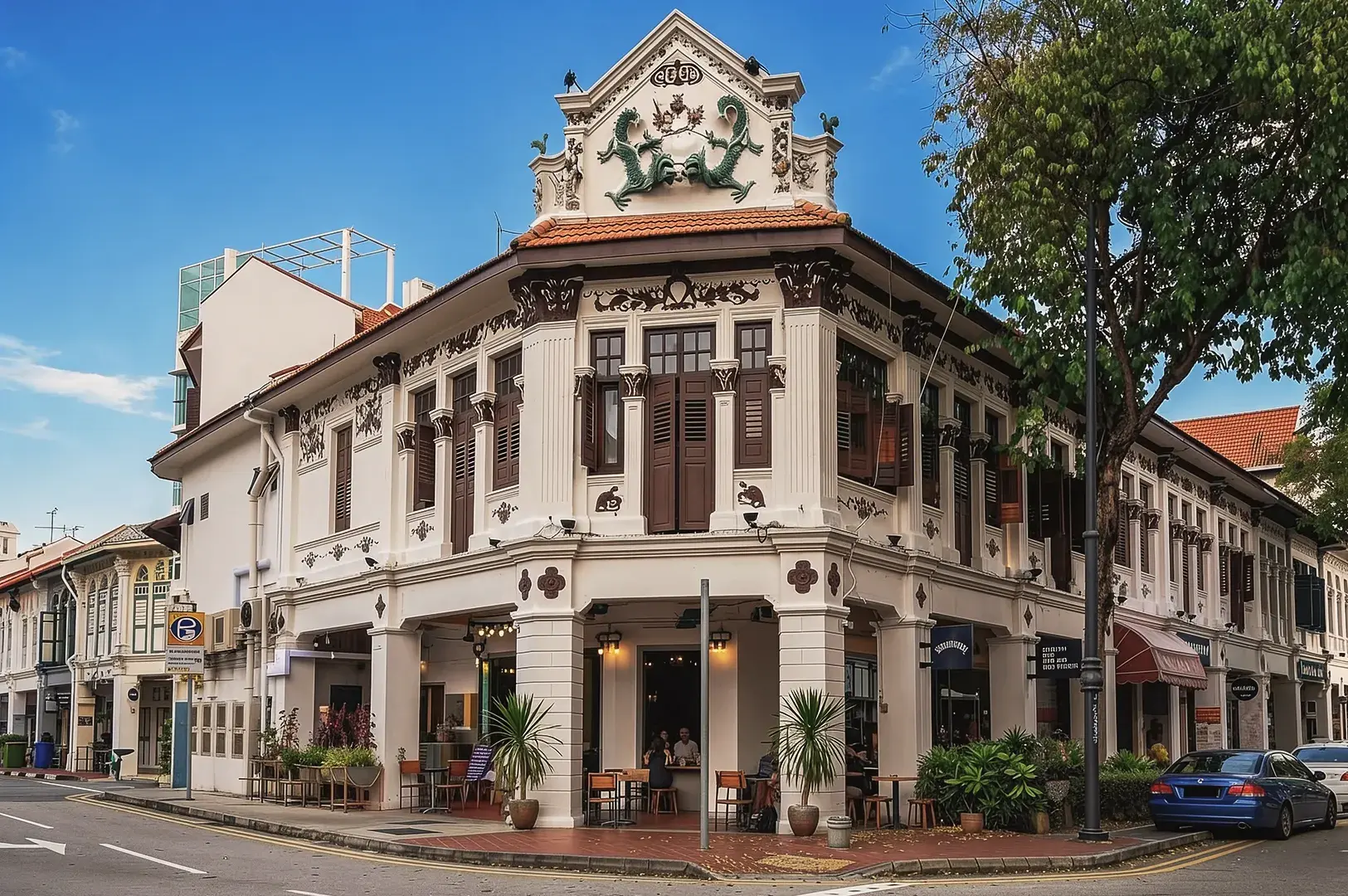
After breakfast, walk. Head toward Koon Seng Road and then along Joo Chiat Road. This is the stretch everyone photographs — rows of colourful pre-war terrace houses with Straits Eclectic details in soft pinks, greens, and blues, with tiled facades, decorative vents, and shuttered windows.
A gentle but important note: those houses are private residences. Real people live behind those beautiful shutters. Admire the architecture, take your photo from the pavement, but don’t wander up to someone’s front door. I’ve watched tourists press their faces to windows, and it makes me wince every time. Observe without taking over.
Beyond the famous row, the shophouses along Joo Chiat Road tell a fuller story. Old family businesses sit beside newer cafés. There are temples, a church, provision shops, and the ordinary rhythm of a residential neighbourhood going about its morning. Don’t turn every building into a history lecture. Just look.
A Small Kueh Stop at Guan Hoe: Not a Second Meal
By late morning you’ll pass Kim Choo Kueh Chang at 111 East Coast Road. Stop, but don’t overdo it.
This is a family Peranakan business with roots going back to 1945, when Madam Lee Kim Choo began selling Nyonya rice dumplings under a banyan tree along Joo Chiat Place. Her Nyonya rice dumplings — kueh chang — became the heart of the place. Today it sells those dumplings alongside colourful traditional kueh.
Buy one or two things. A single kueh, maybe a dumpling to share. That’s the point. This is the moment where food stops being fuel and becomes heritage — something made the same way across three generations. Eat it slowly, standing on the street, and keep walking.
Where to Eat Lunch in Joo Chiat: Katong Laksa and Janggut Laksa
Now you’re properly hungry, and this is where the neighbourhood’s food history really shows up. You’ve got two directions, and I’ve gone both ways happily.
Option One: Katong Laksa
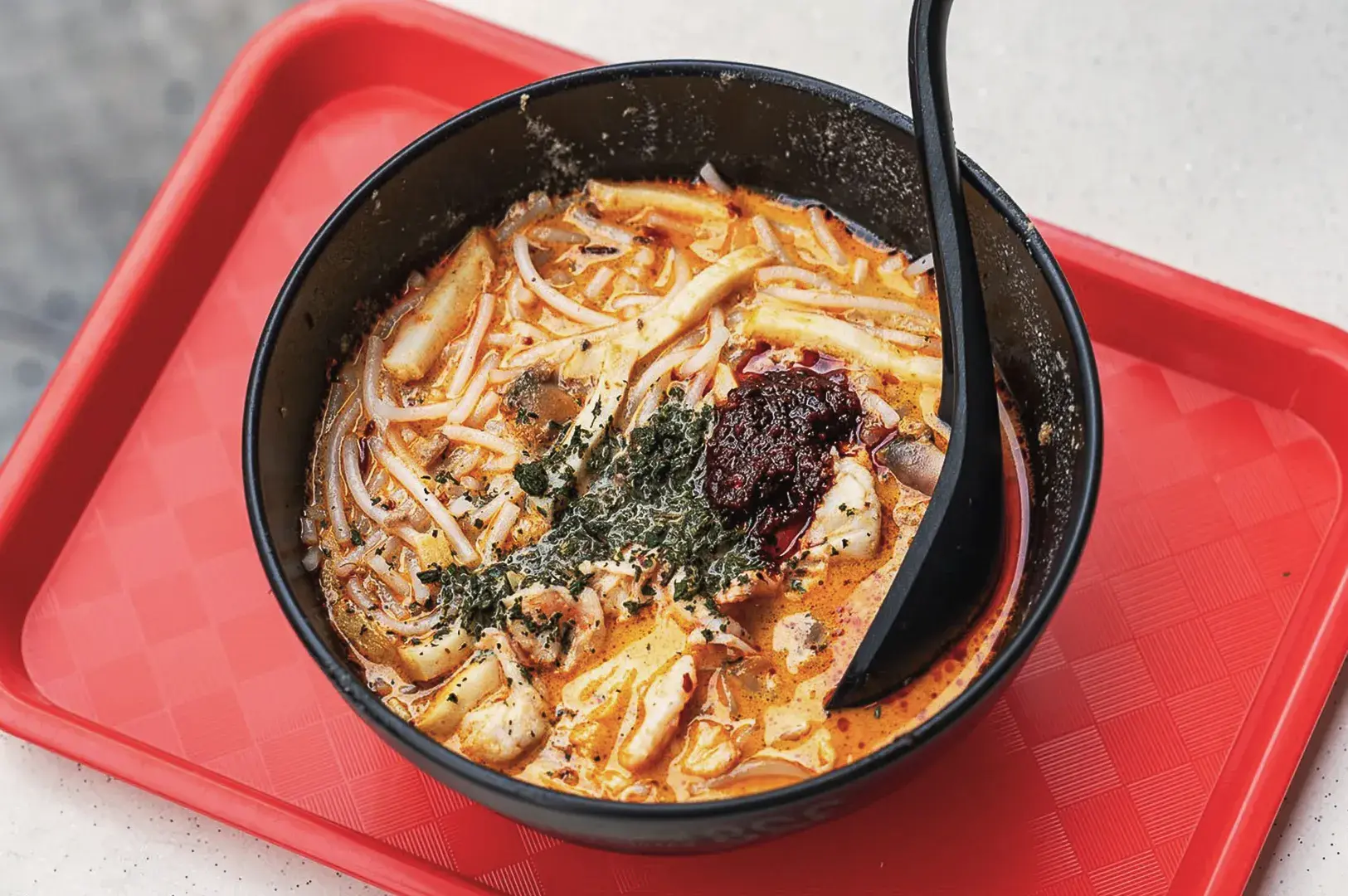
Katong laksa is the dish most tied to this area. It’s a coconut-milk broth with dried shrimp, cockles, prawns, and fish cake, poured over thick rice vermicelli cut into short pieces so you can eat the whole bowl with just a spoon. That short-noodle style is part of what makes the Katong version distinct.
The name you’ll see most is 328 Katong Laksa at 51 East Coast Road, Roxy Square. Here’s my honest take: opinions are genuinely divided. Some people love the rich, creamy broth. Others grumble about price and portion. I’m not going to declare it the best — there are competing claims to the “original” laksa around here, and everyone has a strong opinion. It is one of the names most closely associated with the dish, and that’s the fairest thing I can say. Try it, and decide for yourself.
If you’d rather explore, this area has plenty of other bowls worth your spoon, from janggut laksa — the “bearded” laksa tied to the neighbourhood’s older laksa lineage — to hawker stalls serving everything from chicken rice to a proper bowl of da dong prawn noodles and prawn noodles.
Option Two: A Peranakan Sit-Down at Guan Hoe
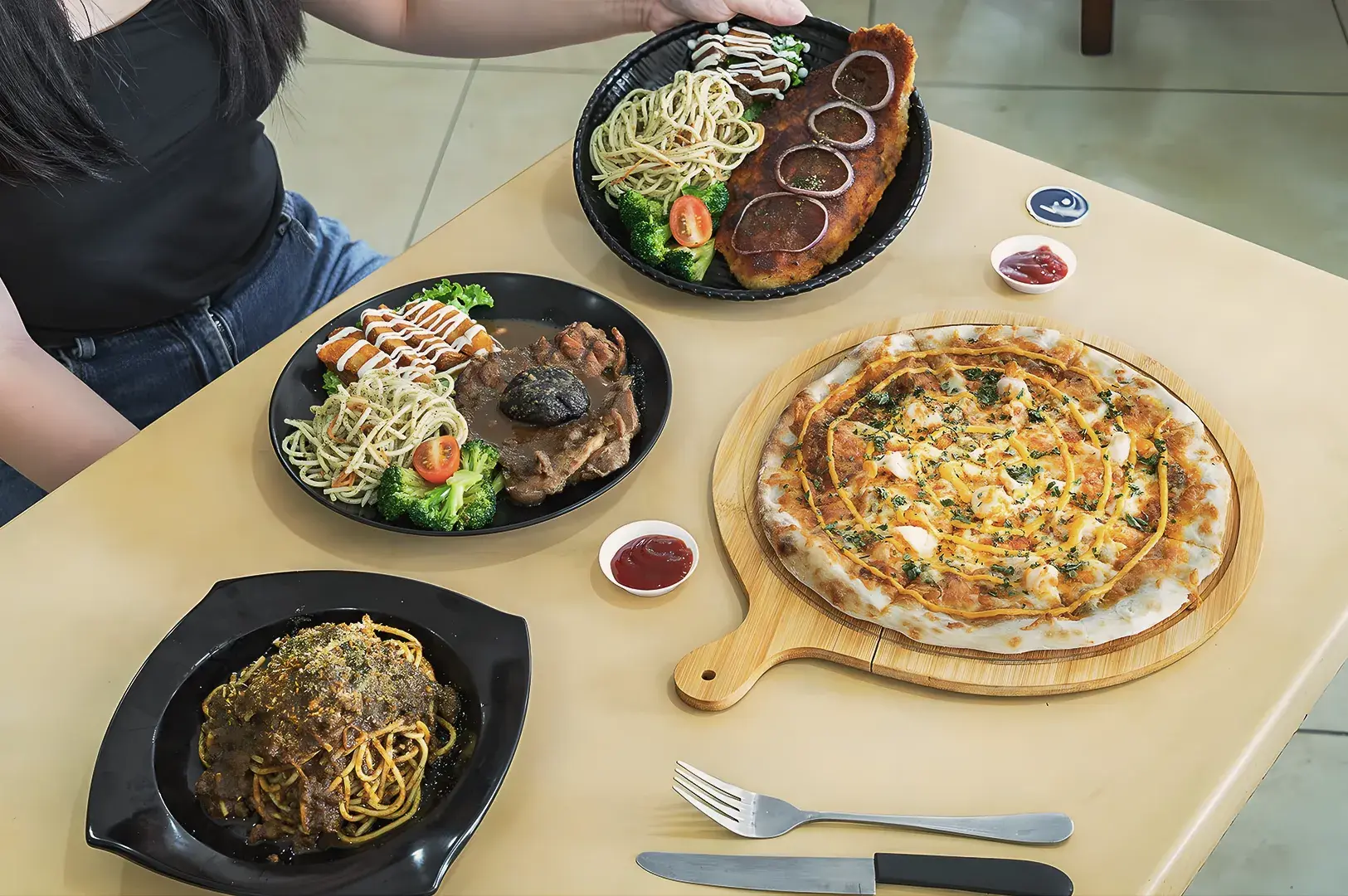
If you want a fuller meal, go for a proper plate of peranakan cuisine instead. Guan Hoe Soon is often called Singapore’s oldest Peranakan eatery, and it’s where I’d send anyone curious about the real depth of this food.
Order ayam buah keluak — chicken braised with the dark, earthy buah keluak nut — and a plate of babi pongteh, that comforting braise of pork in fermented bean paste. Don’t order five dishes trying to taste everything. Pick two, share them, and let the meal sit. Peranakan food isn’t a fusion gimmick; it’s a cuisine built from generations of Chinese and Southeast Asian cooking living side by side. Guan Hoe treats it that way, and so should you.
What to Eat in Joo Chiat Beyond the Famous Dishes: Banh Mi, Otah, and More
Here’s the part I feel strongest about: after lunch, don’t immediately go looking for the next thing to eat.
This is the afternoon gap, and it’s where the day earns the word “unrushed.”
Walk it off. Visit The Intan, a private Peranakan home museum on Joo Chiat Terrace packed with thousands of objects — but book ahead, it’s not a walk-in. Browse Rumah Bebe for traditional beadwork and kebaya. Wander into the independent shops that have quietly set up among the older businesses.
Or do nothing at all. Sit on a quiet street. I gave myself permission to spend an hour once just watching the light move across a row of shophouses, and it’s still one of my clearest memories of the neighbourhood. You don’t need to be consuming something to be experiencing Joo Chiat. A person sitting with nothing but their thoughts is still here, still paying attention.
Da Dong Prawn Noodles and the Old-Meets-New Coffee Brew
By mid-afternoon, you’ve earned a coffee — and here’s where you see the two Joo Chiats sharing the same streets.
In the morning you had kopi, thick and sweet, poured the old way. Now settle into one of the neighbourhood’s specialty cafés for a slow flat white or brew. This isn’t a contest between old and new. Both belong to the Joo Chiat that exists today, and I think that easy coexistence is the whole charm of the place. It hasn’t frozen itself in time; it’s just refused to erase what came before.
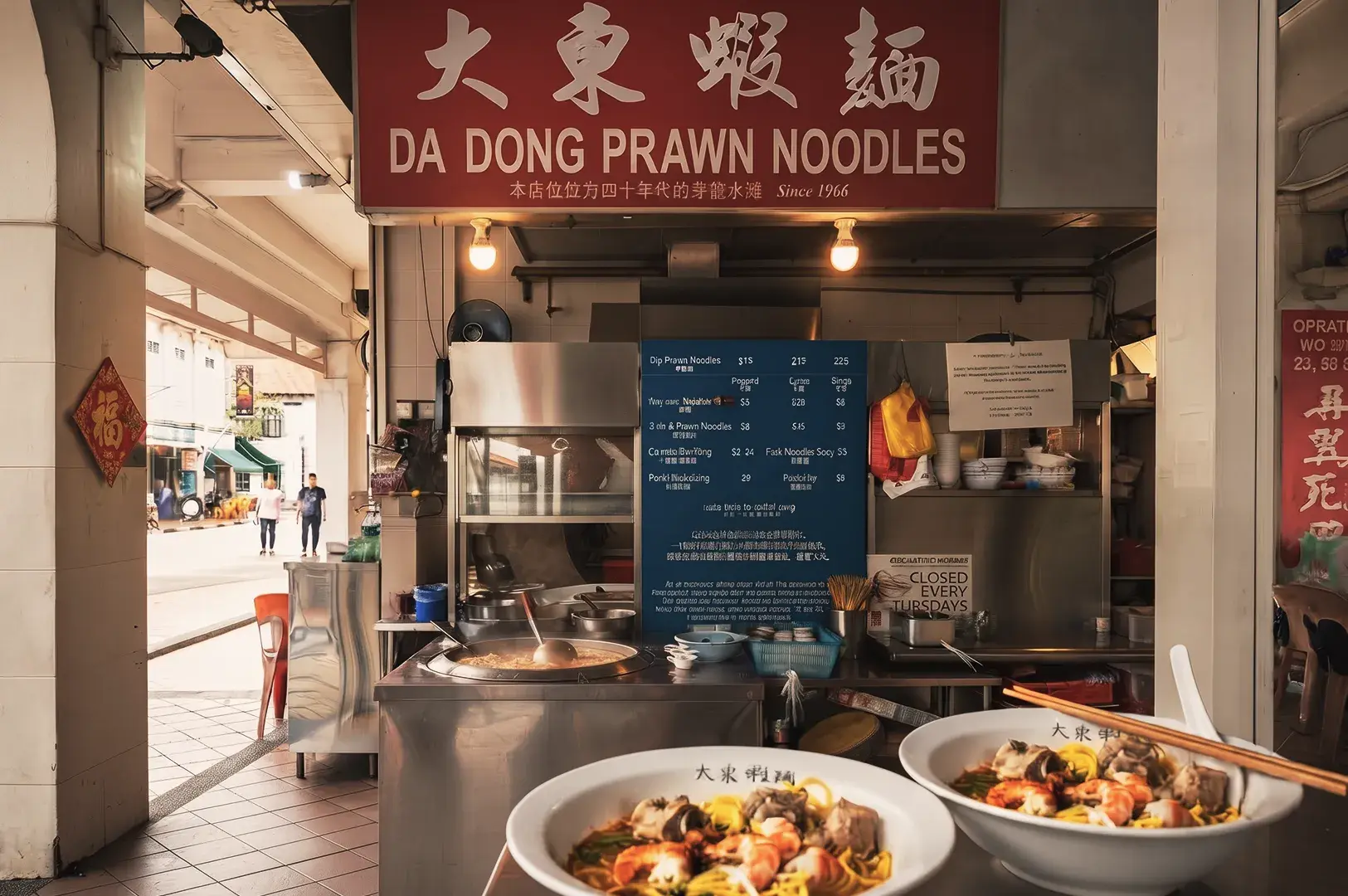
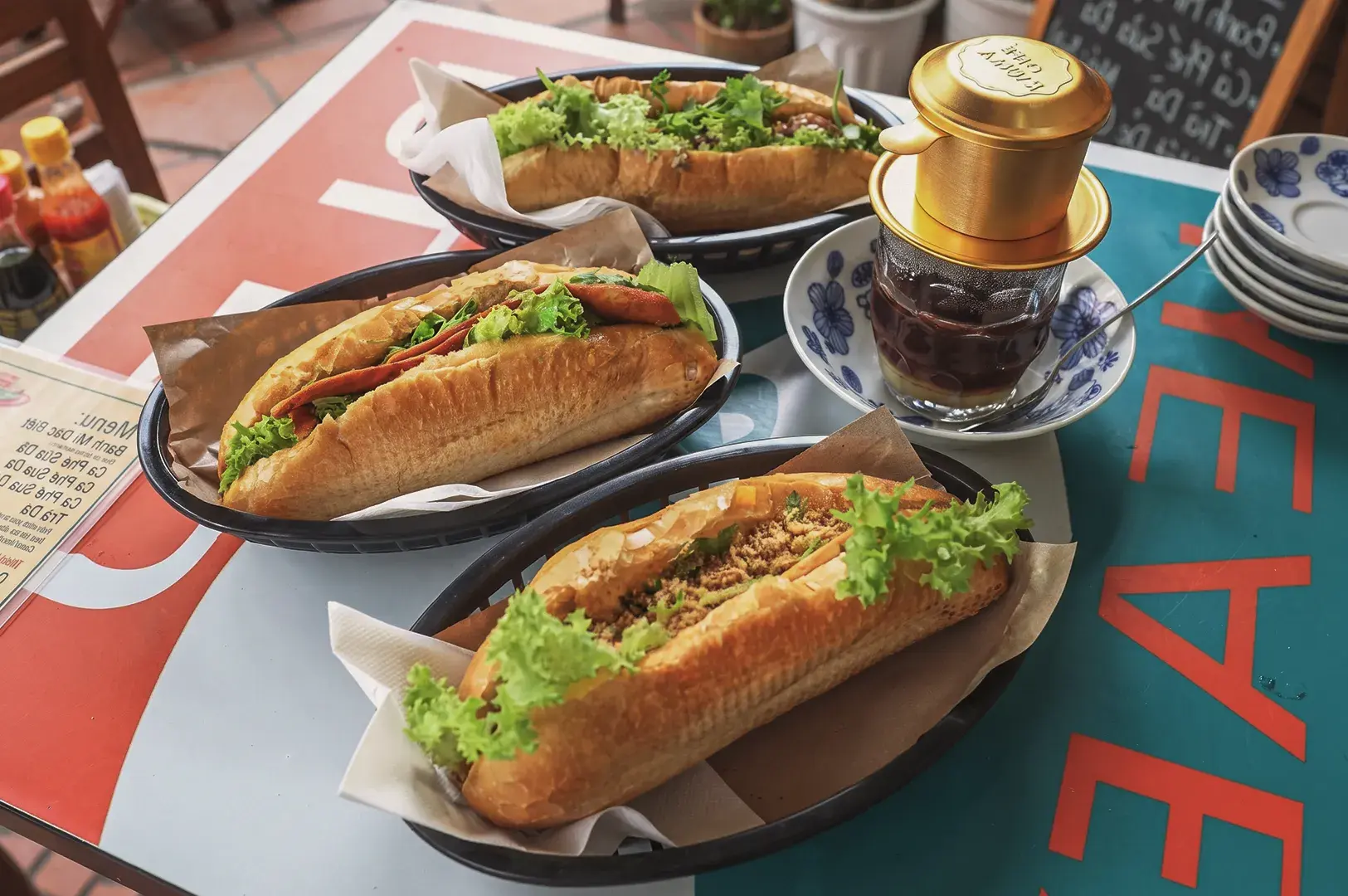
If your appetite has crept back and you didn’t do the full lunch, this stretch of the neighbourhood also hides savoury detours worth knowing. Da Dong prawn noodles is a name locals will point you toward for a proper bowl — that dark, deep prawn broth is a world away from laksa, and worth remembering for next time. A good bowl of prawn noodles is one of those quiet Singapore pleasures that never makes the tourist lists. You’ll even find a good banh mi or two tucked among the shophouses, a reminder of how many food cultures this one road has absorbed over the years.
Banh Mi, Gelato, and Something Sweet
For dessert, keep it light — you’ve eaten enough by now, and that restraint is the point.
I’d head to Birds of Paradise at 63 East Coast Road for gelato. Their flavours lean botanical — think honey, white chrysanthemum, or vanilla fig — and after a morning of kaya and a lunch of laksa, something clean and floral feels exactly right. One scoop, sprinkled with fresh herbs. Eat it walking.
By now you’ll notice the light softening. This is my favourite time to wander the shophouses again, because the low afternoon sun catches the tiled facades completely differently than the morning did. Same street, second look. It always surprises me.
Where to End Your Joo Chiat Day With Guan Hoe or a Eurasian Dinner
Let dinner be the last stop, not another item on a list.
If you went the laksa route at lunch, this is your chance for a proper heritage sit-down — back to a plate of Peranakan food, or somewhere new entirely. And Joo Chiat’s food story isn’t only Peranakan. The neighbourhood has deep Eurasian roots too, which is why I love ending at Quentin’s, the Eurasian restaurant at the Eurasian Heritage Gallery.
Order the Devil’s Curry — a fiery, tangy dish with real history behind it — and a slice of sugee cake to finish. It’s a side of this neighbourhood most visitors never taste, and it rounds out a day that started with plain kopi and quietly moved through several cultures without leaving the broader Katong-Joo Chiat neighbourhood.
Then, walk after dinner. The shophouses look different again in the dark, lit from within, the streets gone quiet. The day has slowed all the way down. That’s when Joo Chiat feels most like itself.
A Few Honest Mistakes to Avoid When You Eat in Joo Chiat
I’ve made all of these, so learn from me:
- Don’t eat a full meal at every stop. Small breakfast, proper lunch, coffee brew, small sweet, dinner. Share where you can, or you’ll be miserable by 3pm.
- Don’t treat Koon Seng Road as a theme park. People live there.
- Don’t chase the “best” of anything. If there’s a long queue and you’re not that hungry, keep walking. Slow travel means choosing by curiosity, not internet consensus.
- Don’t skip the walking. The gaps between meals are where the neighbourhood actually reveals itself.
Before You Go
You don’t need a big budget or a tight schedule to eat well here. A day built around kopi, one good bowl, a kueh, a scoop of gelato, and a slow dinner costs very little — and gives you far more than a rushed morning ever could.
What I’d take from all this is simple. Joo Chiat’s food isn’t old or new, Peranakan or Eurasian, traditional or trendy. It’s all of it, on the same street, at the same time. The meals give you reasons to wander, and the wandering gives the meals their meaning.
One neighbourhood. One day. No rush. That was always the point.