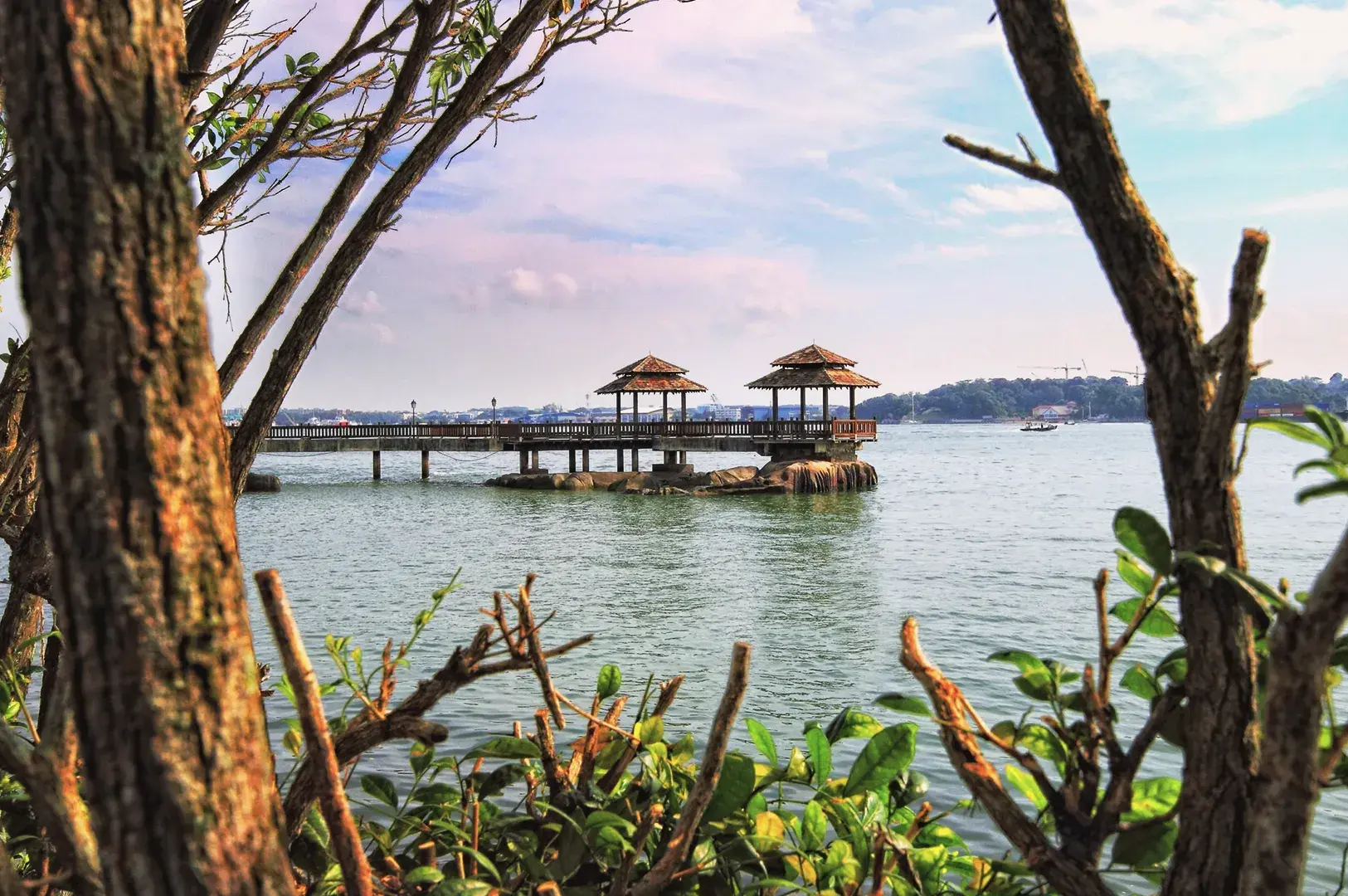
The bumboat doesn’t leave when you want it to. It leaves when it’s full.
I learned this on my first trip to Pulau Ubin, standing on the jetty at Changi Point Ferry Terminal, watching an old wooden boat rock against the pier while we waited for the twelfth passenger to arrive. There was nothing to do but wait. And somewhere in that waiting — the salt smell, the slap of water, the mainland already starting to feel a little farther away — I understood the whole trip before it had even begun.
You don’t come to Pulau Ubin to see everything. You come because, for a little while, Singapore stops asking you to hurry.
This is how I’d spend a weekend here when I need the city to feel farther away than it really is. Not a checklist of what to do at Pulau Ubin, but a rhythm — a slow Saturday, and a Sunday that asks even less of you.
Pulau Ubin: A Different Kind of Singapore
Pulau Ubin sits off the northeastern corner of Mainland Singapore, a small island accessible by a boat ride from Changi Point Ferry Terminal near Changi Village. It was once a cluster of five smaller islands, separated by tidal rivers, later joined into one through the building of bunds for prawn farming. For a time, granite mining supported a few thousand settlers here. The land was cleared for rubber, coffee plantation, pineapple, and coconut.
That history matters, because it’s tempting to call this place untouched. It isn’t. Pulau Ubin, also known as the granite stone island or granite island, is lived in, worked in, remembered — and now consciously preserved as a rustic getaway rather than developed like everywhere else. The abandoned granite quarries remain as quiet relics. The kampong houses still stand. What you’re seeing isn’t wilderness left alone. It’s a landscape that people chose to protect, reflecting Pulau Ubin’s history and cultural heritage.
If the slower, neighbourhood-side of Singapore — the kopi, the morning markets, the streets worth wandering on foot — is where you want to begin, I’ve put together a separate piece on exactly that for anyone thinking about things to do in Singapore beyond the usual circuit. Ubin is the other end of that spectrum. Here, the loudest thing is birdsong.
Getting There: The Journey Is Part of It
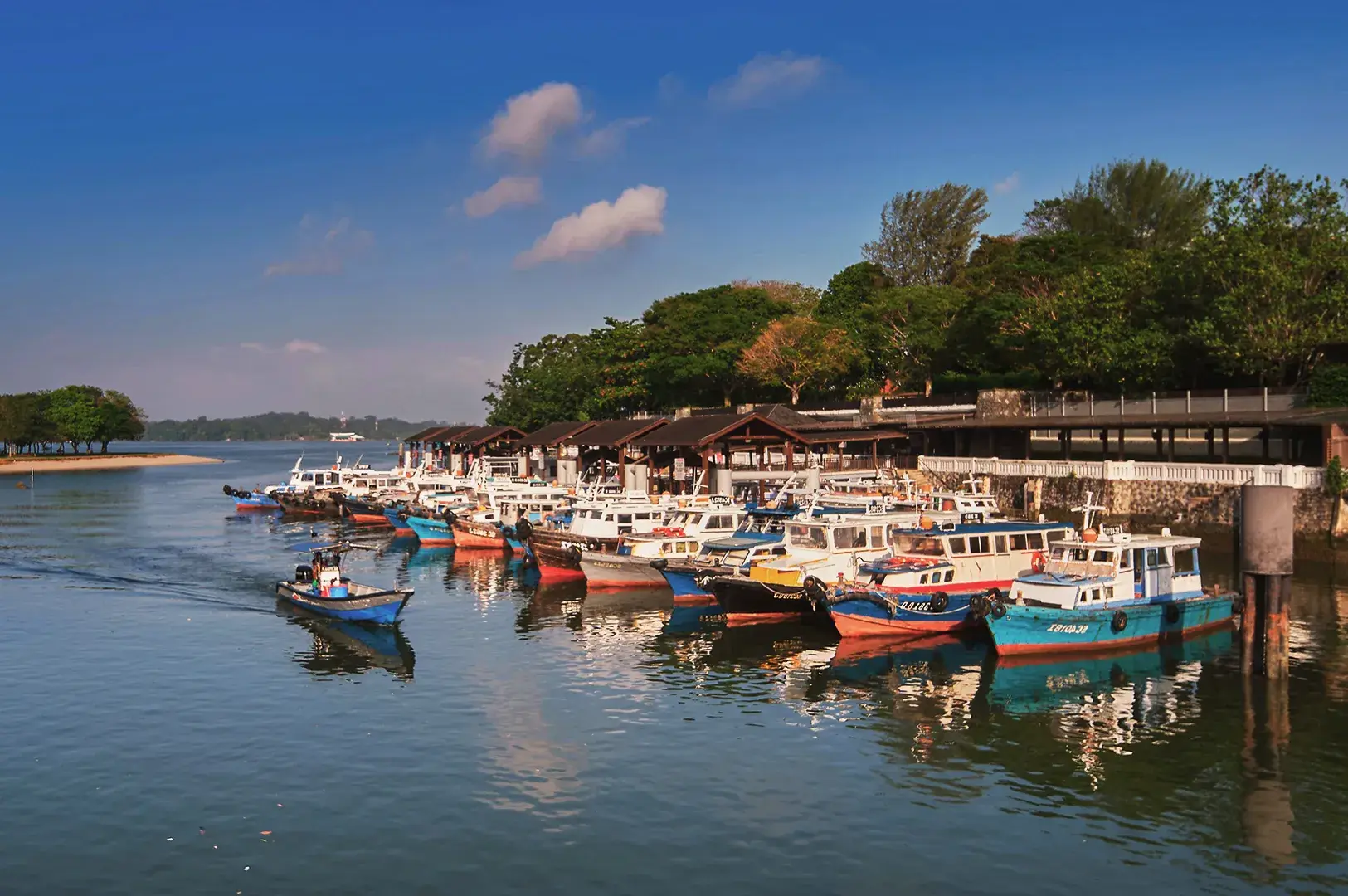
There’s no MRT station on Pulau Ubin, and that’s the first sign you’re leaving the usual rhythm behind. You take public transport to Changi Village, then a short walk to Changi Point Ferry Terminal. From there, the bumboat departs from the Pulau Ubin jetty when twelve passengers have gathered. The crossing takes about ten minutes and costs S$4 per person each way, with an extra S$2 if you bring a bicycle across.
The boat ride is part of the experience — no timetable, just waiting for the right moment. The mainland Singapore starts to feel a little farther away as you cross the water, heading to this single island that holds so much history and nature.
A note before you go: bring Singapore dollars in cash. The ferry runs on it, and so do most of the small businesses on the island. Don’t assume you’ll find an ATM once you’ve crossed.
Saturday: Let the Island Unfold with Pulau Ubin’s Recreational Activities
Rent a Bicycle at the Main Village, Then Slow Down
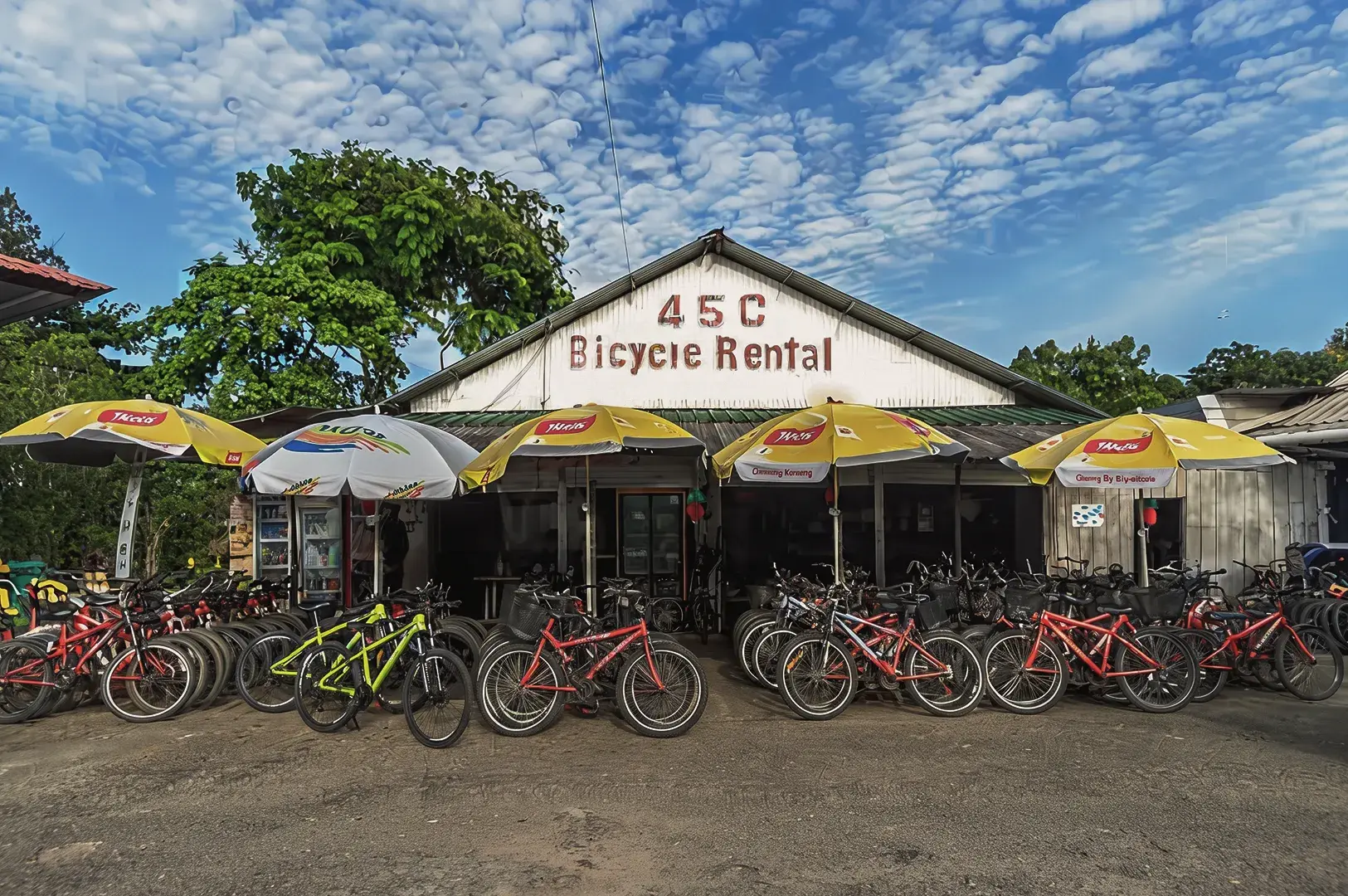
Cycling is the natural way to move through Pulau Ubin. It’s one of the main recreational activities here, and it opens up the more distant corners of the island, including the Ketam Mountain Bike Park. You’ll find rental shops clustered near the ubin jetty in the main village.
Before you ride off, test the bike. Check the brakes, squeeze the tyres, make sure the gears shift. I say this because I once set off on a rental with brakes that barely gripped, and the first slope reminded me sharply that these aren’t smooth city paths.
Which brings me to an honest warning: this isn’t a flat, paved cycle route. Expect gravel, uneven ground, short inclines, and muddy patches after rain. If your bike has no mudguard, the back of your shirt will pay for it. None of this is a problem if you’re not in a rush — and the whole point is that you shouldn’t be. Rent a bicycle, but don’t turn the ride into a race. Stop when the road becomes interesting.
Kampong Roads, Abandoned Granite Quarries, and Old Houses
The best photographs on Ubin usually aren’t the official viewpoints. They’re the bicycle leaning against a tree. The empty road curving into green. The old village house with its shutters worn soft by decades of sea air.
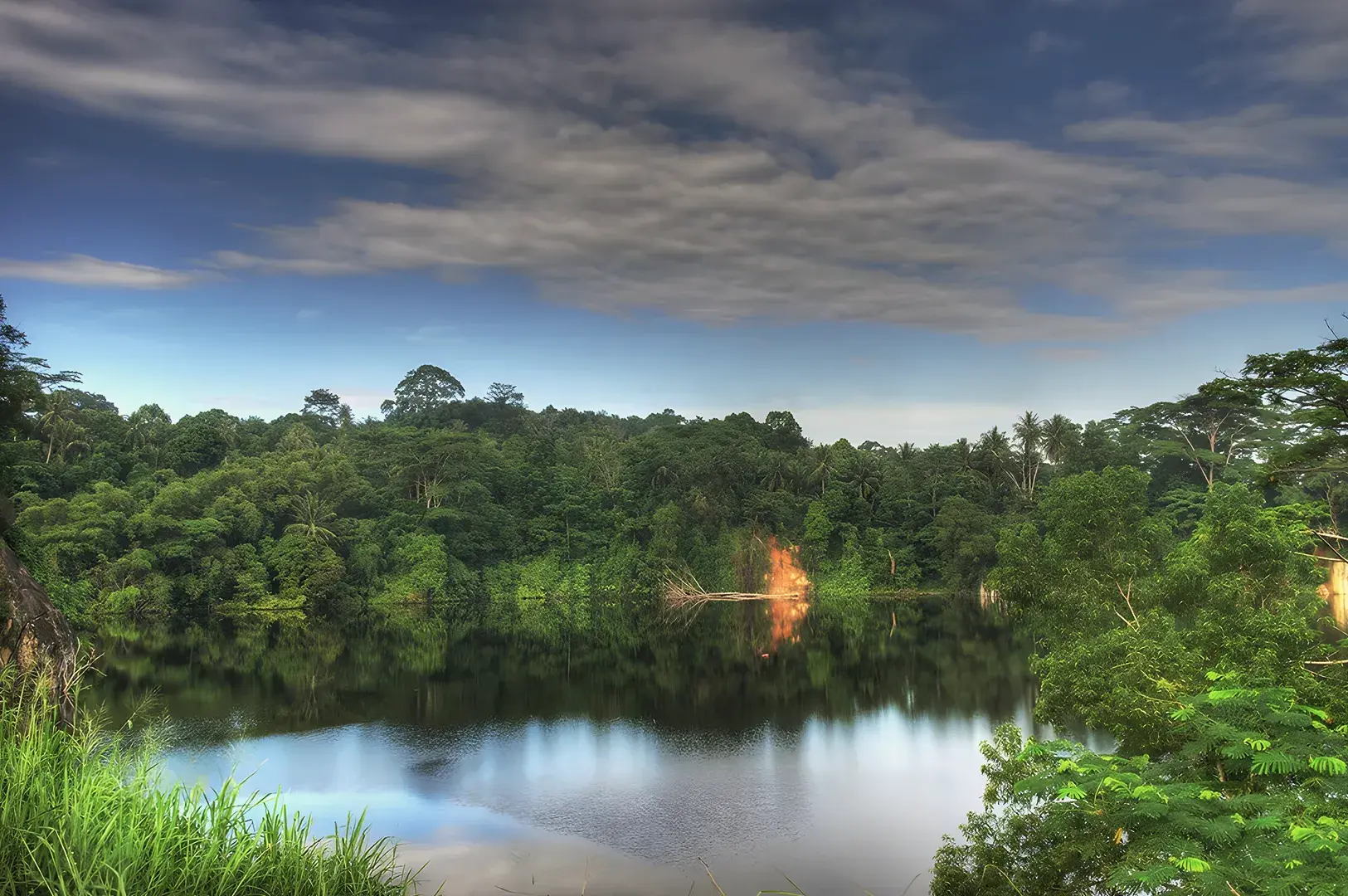
Ride slowly through the kampong roads and you’ll pass Pekan Quarry, one of those abandoned granite quarries that shaped the island’s early life. The water sits still and startlingly clear, ringed by regenerated forest. It’s a good place to stop, drink some water, and do nothing for a while.
If you want a view, Bukit Puaka is the island’s highest point, looking out over Ubin Quarry. And somewhere along the way, look for the German Girl shrine — a small yellow structure tied to a local legend about a German family plantation from the World War I era. It’s an odd, quiet piece of Ubin’s folklore, the kind of detail that reminds you this place has been holding stories far longer than any of us have been visiting it.
Chek Jawa: Check the Tide First

Chek Jawa is the reason many people make the trip, and rightly so. Where six ecosystems meet — mangrove trees, seagrass, coastal forest, sandy shore — the wetlands are among the richest natural spaces in Singapore.
But here’s the tip that matters more than “go early”: check the tide table. The intertidal flats are most alive when the tide sits at 0.5 metres or below, when you can actually see the marine life. At higher tides, the whole area vanishes under water, and you’ll have made the ride for a submerged shoreline.
Chek Jawa is open 7am to 7pm daily. A few practical things to know for your visit, current as of late 2026:
- The Mangrove Loop and the open section of the Coastal Boardwalk are accessible.
- A section of the Coastal Loop is closed for maintenance from 15 September 2026, with completion expected around 30 April 2027.
- The guided Chek Jawa Wetlands Tour is suspended until further notice while pontoon works are underway.
Climb the Jejawi Tower while you’re here. It rises above the canopy, and on a clear day you can watch the treetops move and, if you’re lucky and patient, spot migratory birds or sea eagles wheeling overhead. Wildlife is part of the experience, not a guarantee. Monitor lizards, monkeys, wild boars — you might see them, you might not. Go quietly and pay attention, and keep your food and plastic bags secured. The monkeys here are opportunists.
A Drink at Ah Ma Drink Stall
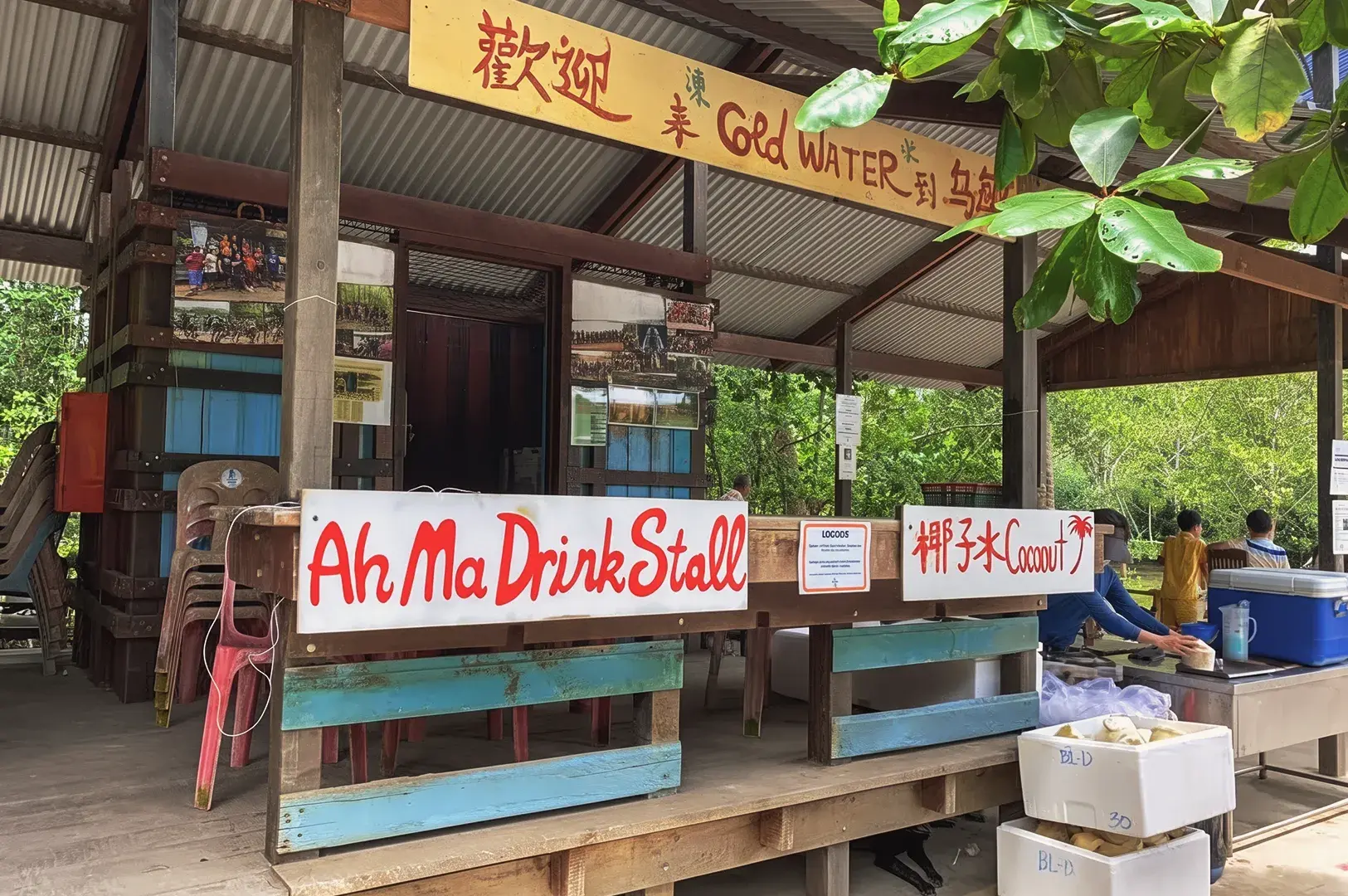
When the heat catches up with you — and it will — stop at the Ah Ma Drink Stall, just before the Jelutong Bridge.
The stall is run by Madam Ong Ang Kui and her daughter. Madam Ong was born and raised on Pulau Ubin, and she still lives here, in a house surrounded by durian trees her late husband planted decades ago. She sells drinks and fruit from that same land.
I stop here because I’m thirsty. I stay because someone who has spent her whole life on this island is standing behind the counter. That’s worth more than any café.
The Evening Settles
As the light softens, ride back toward the village. There are a handful of simple seafood restaurants near the jetty, and the local shops sell chendol and cold drinks. Sit somewhere with a view of the water and watch the island quiet down.
If you want to stay overnight, camping is the way. There are three designated campsites — Jelutong, Mamam, and Endut Senin — and you’ll need a permit, applied for at least two weeks ahead. Tourists and short-term visitors can apply through the NParks form. You can’t simply pitch a tent wherever you like; camping is restricted to these sites. But if you plan ahead, waking up to the island’s rustic charm is a rare thing to do this close to a major city.
Sunday: Do Less on the Sensory Trail
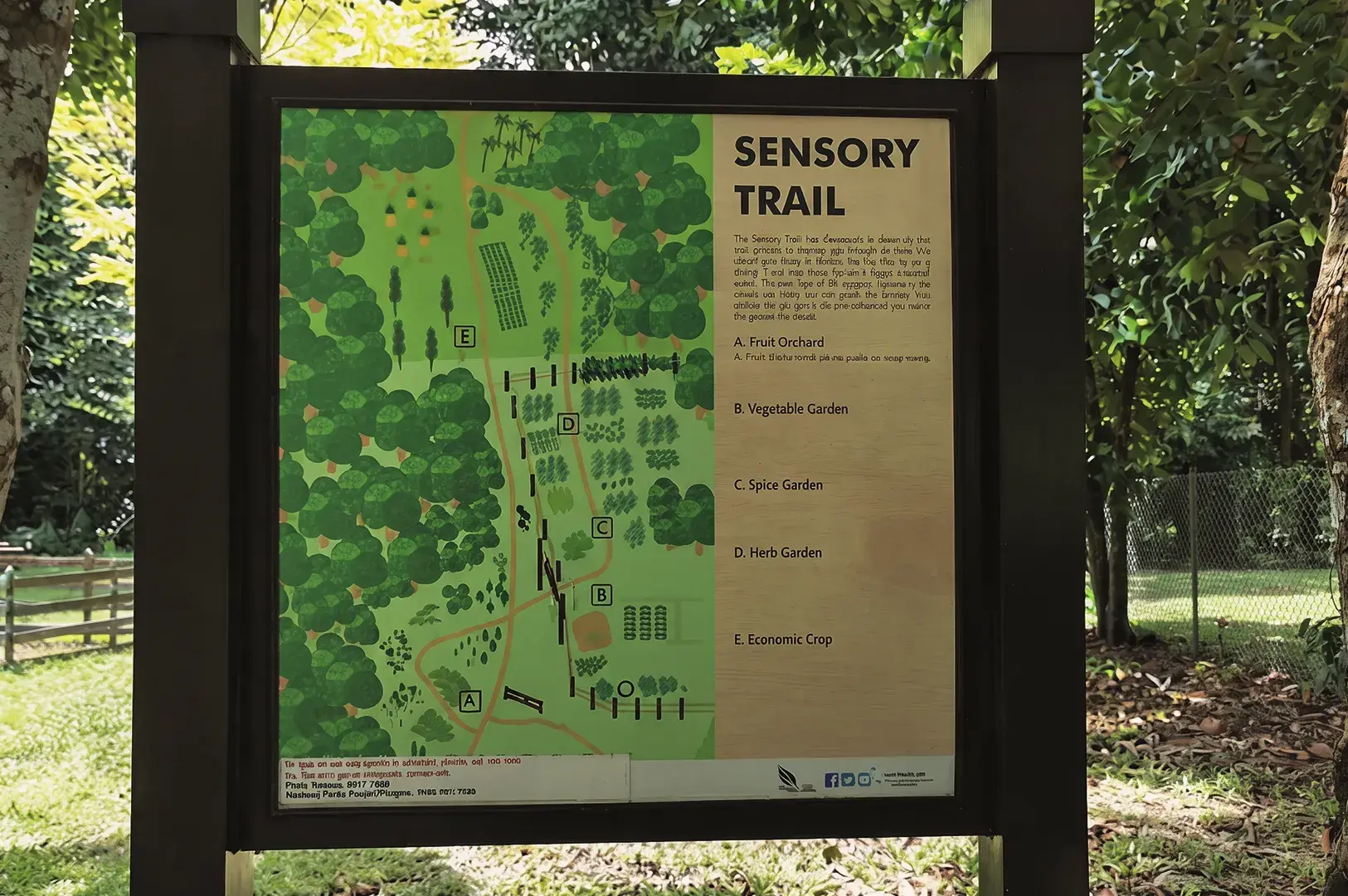
The second day shouldn’t repeat the first. This is where a weekend on Ubin becomes something more than a day trip.
Wake early. Not to beat anyone — there’s no one to beat — but because the mornings here are cooler and softer, and the birdsong is at its fullest before the sun climbs. Walk instead of cycle. Let the pace drop again.
The Sensory Trail is a good choice for a slow morning. You don’t have to cover the whole island to feel it; a single quiet trail, walked without hurry, tells you plenty. Listen for the migratory birds passing through. Watch the mangrove trees breathe with the tide. Sit somewhere with no particular reason to move.
Then, when you’re ready — not before — head back to the jetty and wait for the boat home. You’ll leave without having “completed” anything, and that’s exactly right.
What to Bring, Honestly
Preparation matters more here than on the mainland, because the conveniences you’re used to simply aren’t around.
- Closed shoes. For Chek Jawa, footwear must cover your whole foot — no slippers or sandals. And the trails are uneven regardless.
- A hat or cap and sunscreen. The sun is relentless.
- Enough water. Bring more than you think you’ll need.
- Insect repellent. Essential around the forest and mangroves. Long sleeves help too.
- Cash. I’ll say it again because it catches people out.
- Rain protection. A compact umbrella or light rain jacket. The weather turns fast.
And a word on the heat: slow doesn’t mean effortless. You’re still spending a day outdoors in Singapore’s humidity, and even a gentle pace will tire you. Build in the stops. They’re not interruptions to the trip — they are the trip.
Why This Place Stays With You
Most of the mainland is built around efficiency — trains on time, everything within reach. If that’s the version of the country you’re planning around, there’s a quieter, neighbourhood-led way of moving through the city I’ve written about separately, for travellers who’d rather stay longer and walk slower.
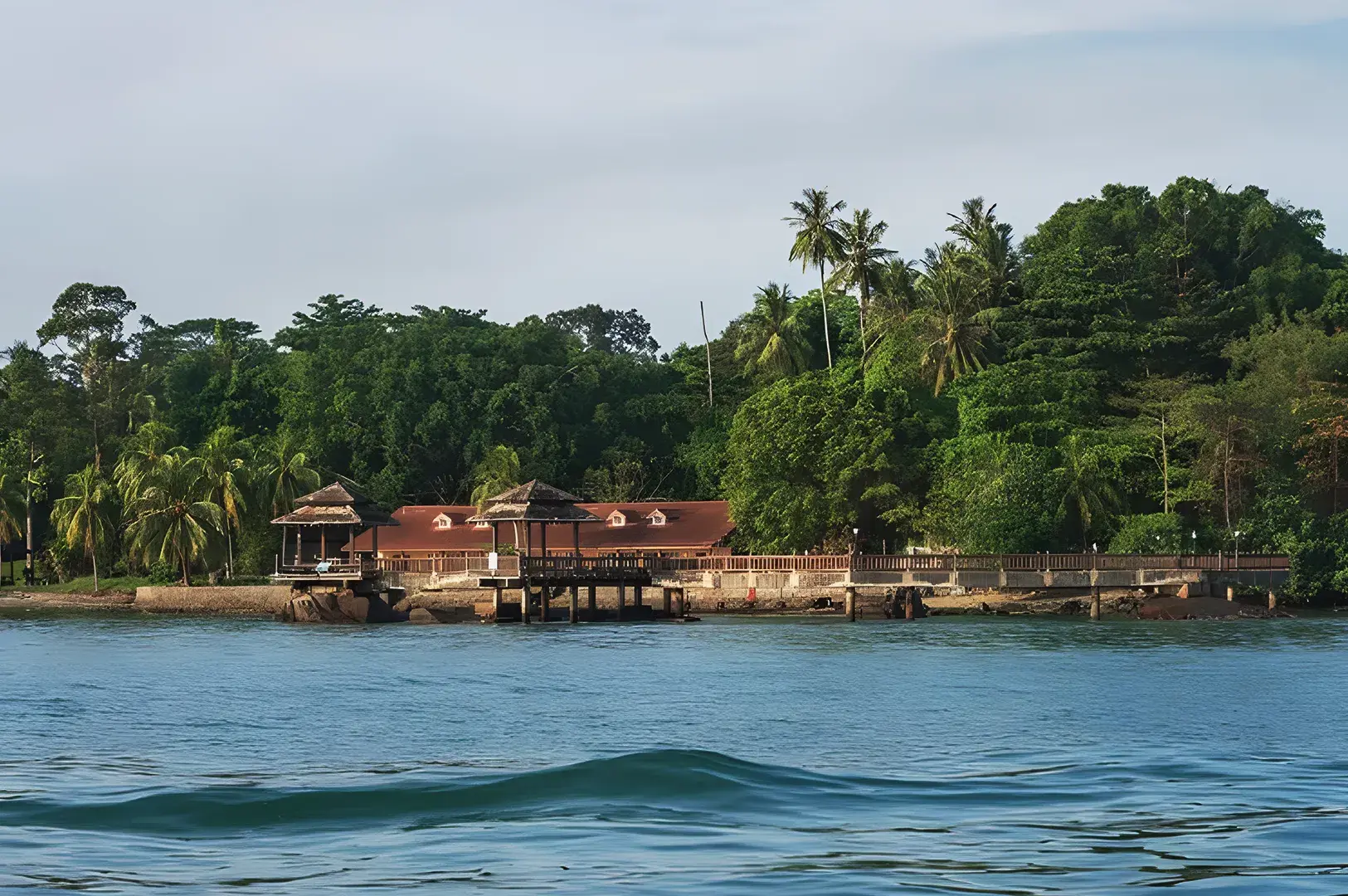
Ubin is the counterweight to all of it. It doesn’t have one spectacular attraction pulling you forward. It has forest roads, mangroves, old quarries, and enough empty space to stop without feeling guilty about it.
Here’s what I’d hold onto if you go. The most memorable part of your trip probably won’t be Chek Jawa or the view from Bukit Puaka. It’ll be the quiet stretch of road between them — the moment you realise you’ve stopped checking the time.
Because Pulau Ubin doesn’t ask you to do more. It asks you to notice more. Bring cash, wear proper shoes, check the tide, and then let the island set the pace. It’s been keeping this slower rhythm far longer than you have. The kindest thing you can do is match it.