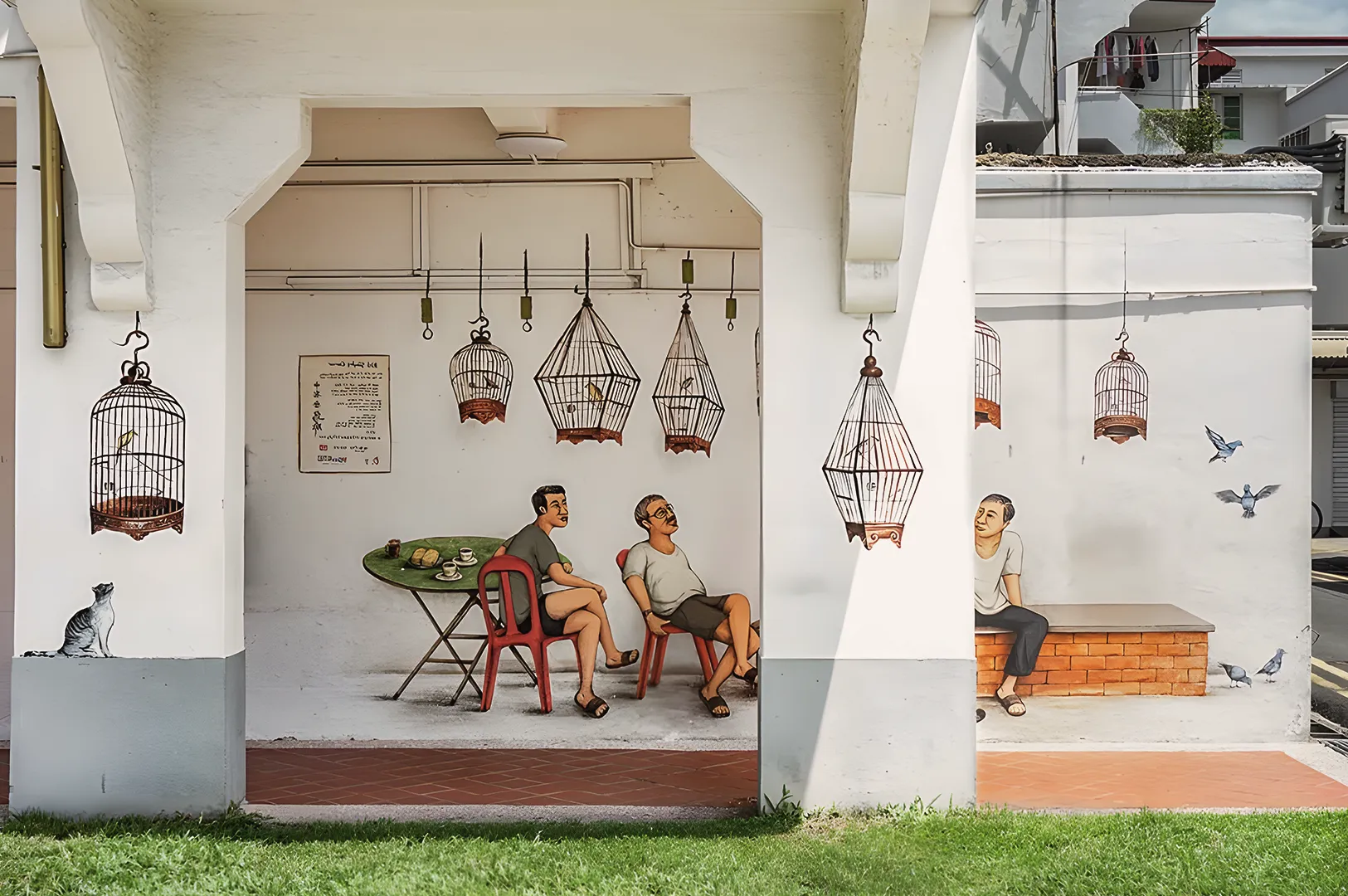
The first time I came to Tiong Bahru, I made the classic mistake. I had a list. Five cafés, three hawker stalls, two bakeries, all to be conquered before lunch. I moved fast, queued twice, photographed everything, and left with a full stomach and no real sense of where I’d been.
I’ve come back many times since, and I do it differently now. I don’t try to finish the neighbourhood. I sit down, order something small, and let the place come to me. That, I’ve found, is the only way to really understand what to eat in Tiong Bahru — and why the eating matters at all.
This is not a ranking. It’s a walk. A three-day food wander, I’ll take you through the market, the old estate, the bakeries, and the quiet corners, one plate at a time. Because here, the food is a way of seeing the neighbourhood, not the other way around. If you want more of this way of moving through the city, you can read more here.
Why Tiong Bahru Singapore Rewards Slow Eating
Tiong Bahru is one of Singapore’s oldest residential buildings and estates. You feel it in the curved balconies, the low pre-war blocks, the provision shops that have outlived every trend around them. And yet it’s also become a trendy district — a melting pot of third-wave coffee, independent boutiques, small design studios tucked into the ground floors, and lovely cafés.
That tension is the whole story. The new Tiong Bahru is interesting. The old Tiong Bahru is what makes it worth slowing down for.
I’d resist the urge to treat this place as a brunch destination or a food crawl. The mistake I made — stall, queue, eat, photograph, next — misses the point entirely. Come hungry enough for breakfast, but leave room for the neighbourhood.
A small note before we start: take the MRT to Tiong Bahru station and walk. The market at 30 Seng Poh Road is about eight to ten minutes on foot. Don’t taxi straight to a café. The walk through the estate is part of the meal.
Day One: Breakfast at Tiong Bahru Market 2
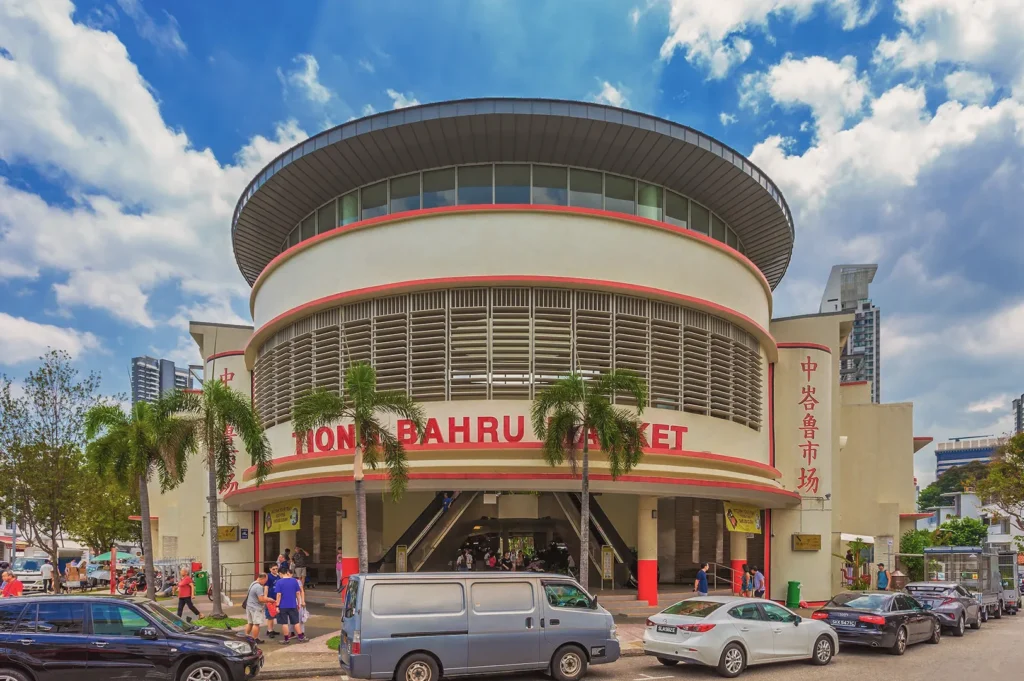
Start early, around eight, before the sun settles and the crowds arrive. Tiong Bahru Market holds a wet market downstairs and a hawker centre upstairs, and the morning is when it feels most like itself — residents shopping for vegetables, uncles reading the papers over kopi, the slow hum of an ordinary day beginning.
Jian Bo Shui Kueh: Start Small
Head to stall #02-05 for Jian Bo Shui Kueh. It’s been around since 1958 and carries a Michelin Bib Gourmand, but that’s not why I’d send you there. I’d send you because it’s a gentle way to begin.
Order five pieces of shui kueh for S$4.50. These are little steamed rice cakes, soft and plain on their own, topped with preserved radish — chai poh — and a spoon of chilli. The radish is salty and savoury, the cakes soft enough to fall apart. It’s simple, cheap, and deeply tied to this rare gem of a neighbourhood.
One honest note: The chilli topping contains dried shrimp, so it’s not suitable if you have a shellfish allergy.
I like starting here rather than at a fashionable café. It sets the right tone. You’re eating what people have eaten for decades, at a small table, in no hurry.
Hawker Etiquette Without the Stress
A quick word on how things work, because it trips up first-timers. At busy times, you’ll see tissue packets or small personal items left on tables. That’s chope — an informal way of saying a seat is taken. If you’re unsure whether a table is occupied, just pick another one rather than assuming.
And when you’re done, clear your table. In Singapore, diners are expected to return their trays and crockery and leave the table clean for the next person. It’s simple: find a table, order, eat, tidy up, move on.
Day Two: The Estate Walk and Tiong Bahru Bakery 3
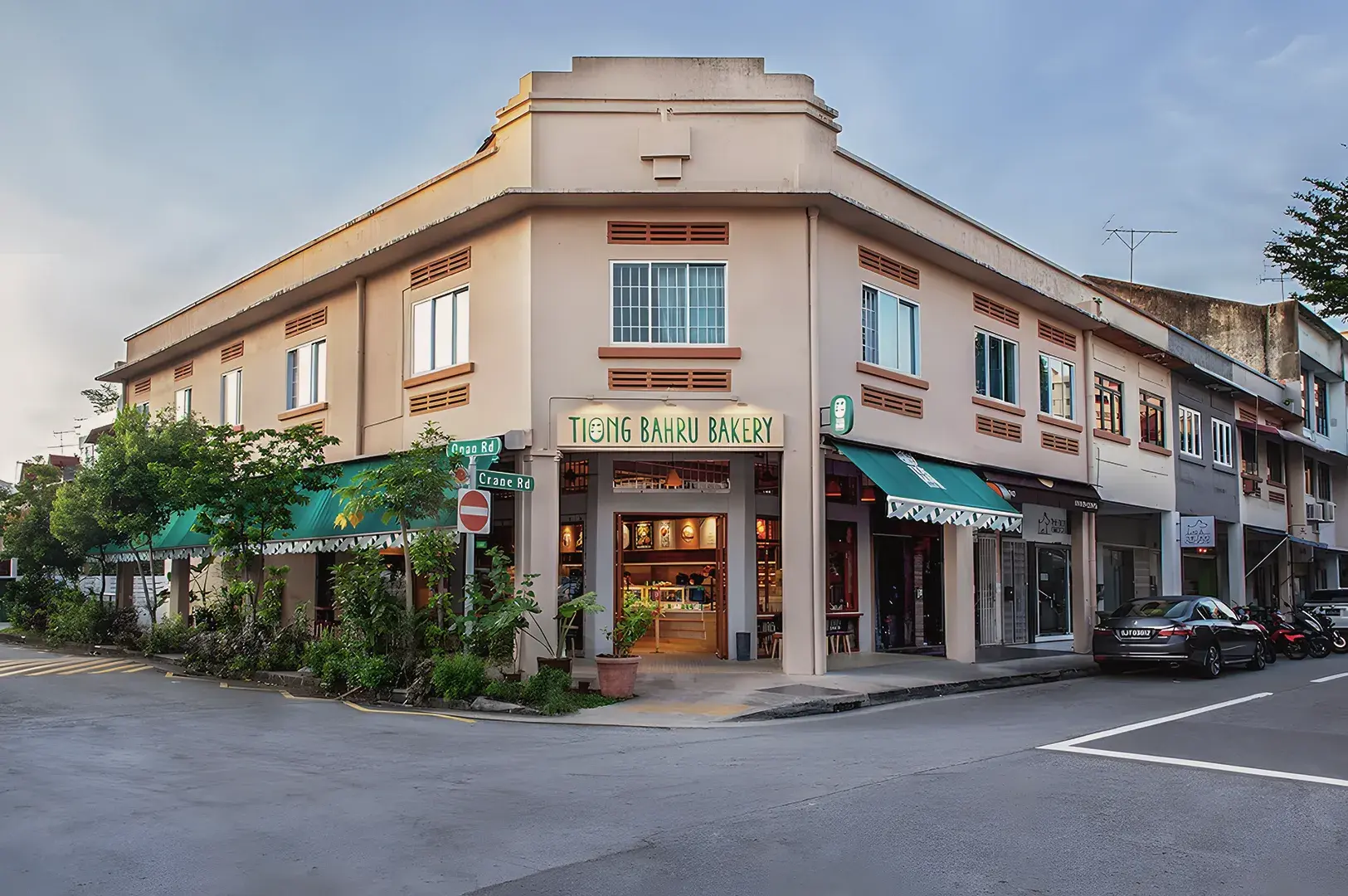
On my second day, I ate less and walked more. This is where I’d deliberately tell you not to order anything for an hour.
Walk Before You Eat Again
From the market, wander Seng Poh Road, then Eng Hoon Street, then loop toward Yong Siak Street. This is the part of Tiong Bahru worth noticing. The curved Art Deco blocks — those Streamline Moderne facades with their rounded corners and long balconies — are unlike anywhere else in the town.
Look for the murals tucked into side lanes. The old provision shops. The residents hanging laundry, watering plants, going about ordinary mornings. This stretch gives the day room to breathe, and it’s the essential unhurried element.
Tiong Bahru Bakery: Old Meets New on a Plate
At 56 Eng Hoon Street sits Tiong Bahru Bakery, one of the faces of the neighbourhood’s newer identity. Their croissants are made with French butter at 84% fat and French flour, baked in small batches through the day. The result is exactly what you’d hope — crisp, layered, buttery all the way through.
I don’t think of the croissant as another box to tick. I think of it as the contrast made edible. After a plate of chwee kueh at the market, a French pastry tells you how much this place has changed — and how comfortably the old and new now share the same streets.
Pro tip: go mid-morning on a weekday. Weekends bring a queue that stretches out the door, and the whole point of this walk is to avoid standing in lines.
Day Three: A Proper Tiong Bahru Lunch 4
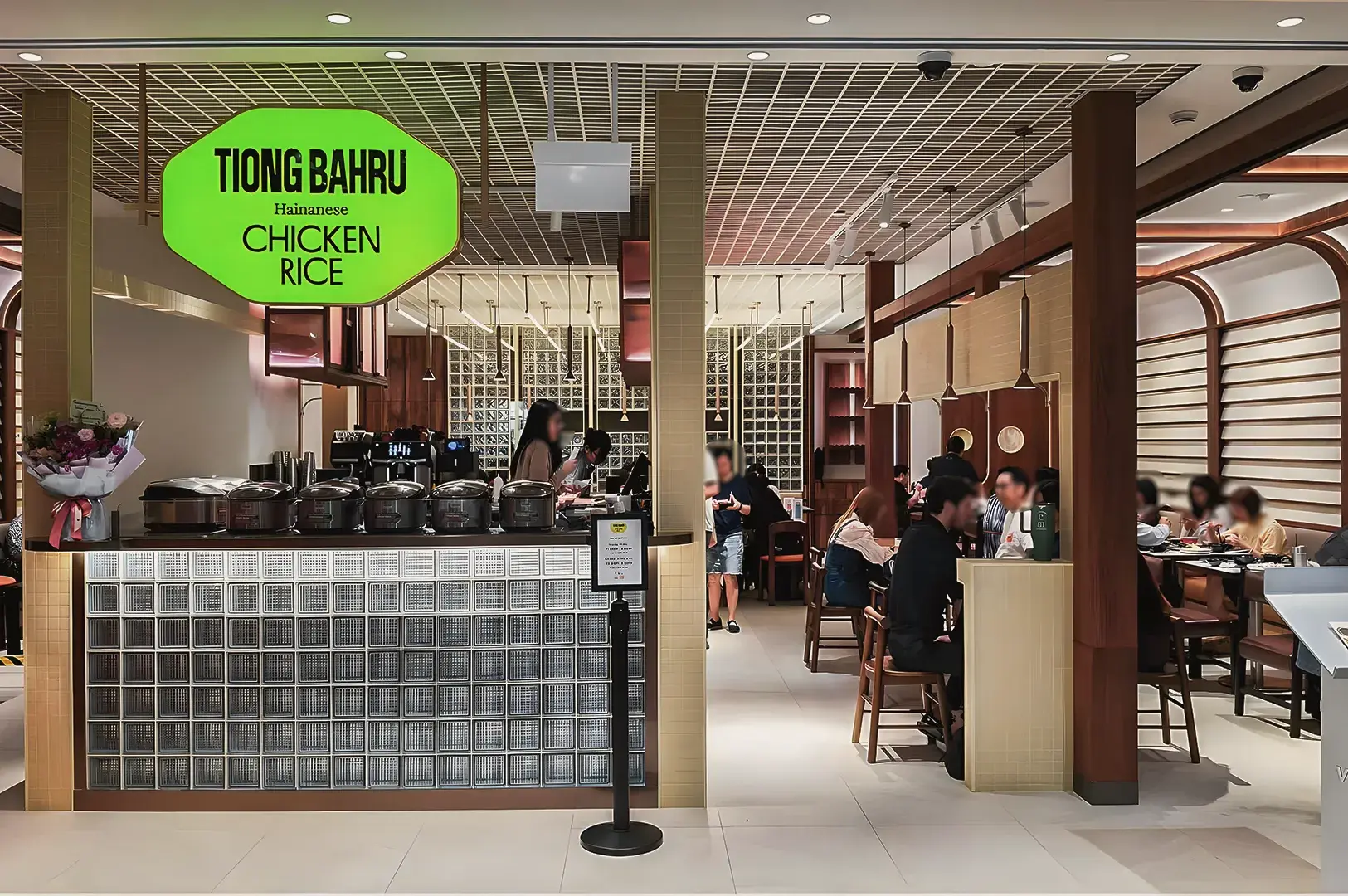
By the third day I’d built up an appetite for something more substantial. This is where the neighbourhood returns to ordinary, everyday Singaporean food — and honestly, that’s my favourite part.
Chicken Rice That Needs No Explaining 5
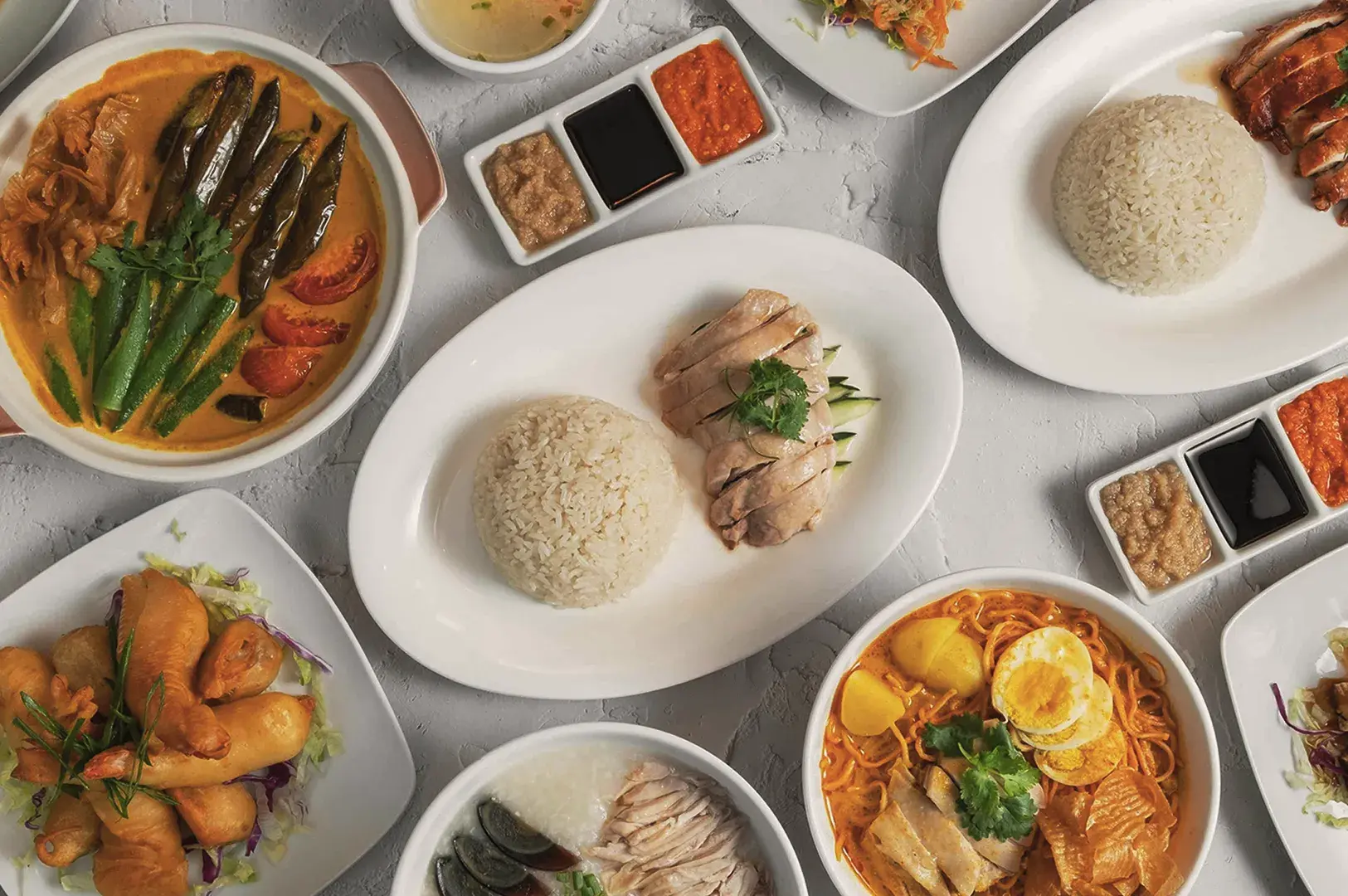
At #02-82 in the market, Tiong Bahru Hainanese Chicken Rice has held a Michelin Bib Gourmand for ten straight years. The business started in 1987 and settled here, and it now opens Tuesday to Sunday, roughly, closed Mondays.
Order the steamed chicken rice. Tender chicken, fragrant rice cooked in stock, chilli and ginger on the side. There’s also roasted chicken and a lemon fried chicken cutlet if you want it. But the classic plate is the one to get.
Chicken rice doesn’t need a story told about it. That’s part of why I like ending the food here. It moves you back toward the plain, good, everyday meals that this neighbourhood has always quietly served.
Or: Loo’s Hainanese Curry Rice 6
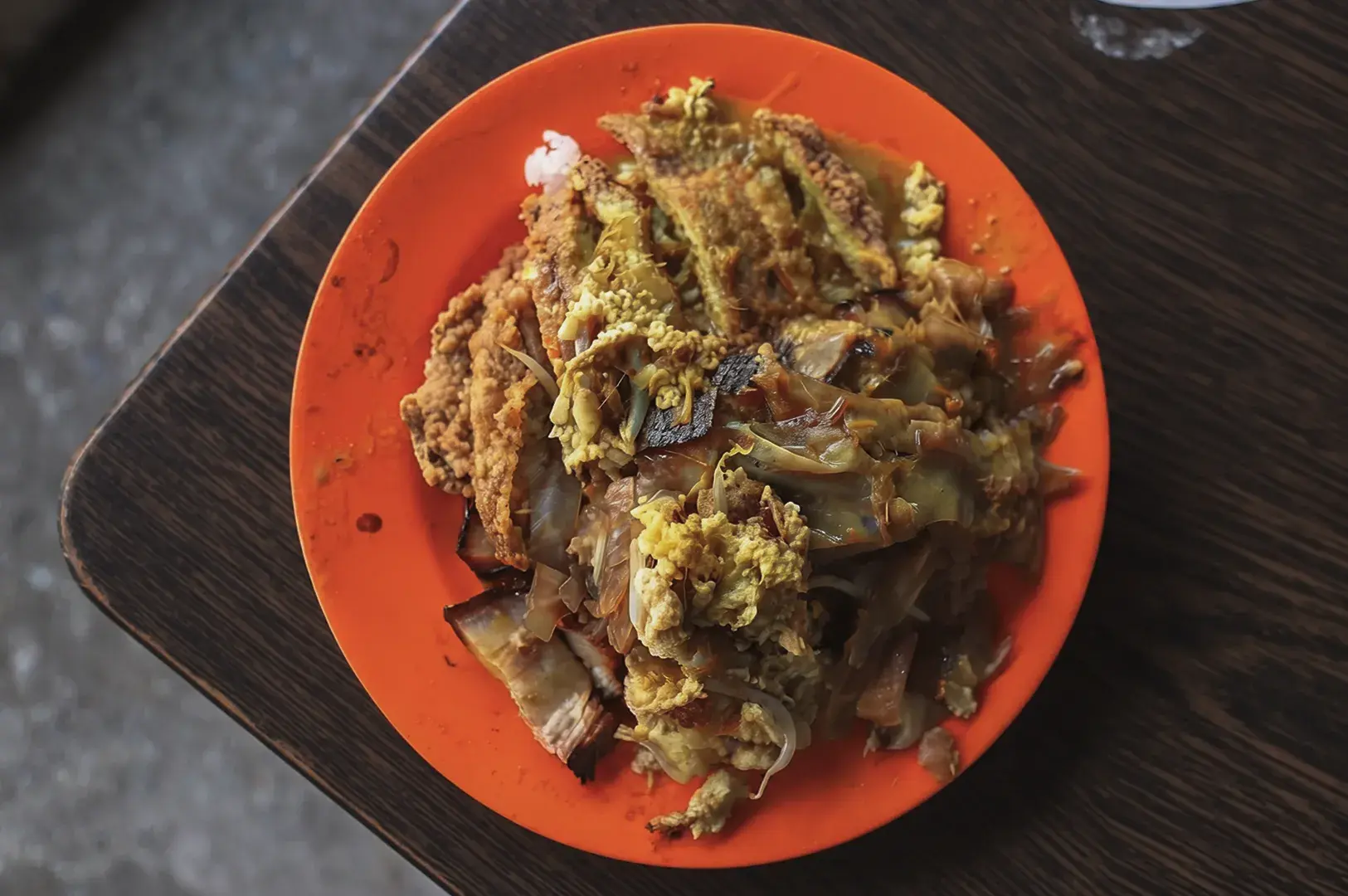
If you’d rather go older still, stay in the market and look for Loo’s Hainanese Curry Rice at #02-67/68. The family traces the business to 1946, when it began as an unnamed stall on Tian Lye Street.over on Yong Siak Street This is one of the longest-standing food businesses in the area, and the plate reflects it — a messy, generous pile of rice under curry gravy, with pork chop, curry chicken, chap chye, and kong bak, that soft braised pork belly.
People keep coming back to Loo’s, and that continuity is worth more to me than any rating. It’s not that it’s objectively “the best.” It’s that it has held its place for nearly eighty years, and that means something.
A note on choosing: if you want a comparison, the chicken rice is clean, precise, and quick. Loo’s is heavier, richer, and slower to eat — you’ll want to sit a while after. I’d pick based on your mood, not your list.
Coffee, and What Comes After
After lunch, don’t rush off. Stay for another coffee.
You have two choices here, and both say something about the neighbourhood. You can find an old kopitiam and order a traditional kopi — thick, sweet, poured strong — the way people have drunk it here for generations. Or you can settle into one of the newer cafés for a slow flat white among the design studios and independent boutiques.
I’ve done both, on different days, and I’d suggest you try each. The old and new coffee cultures sit side by side, and the contrast is the whole appeal.
Evening at Merci Marcel 7
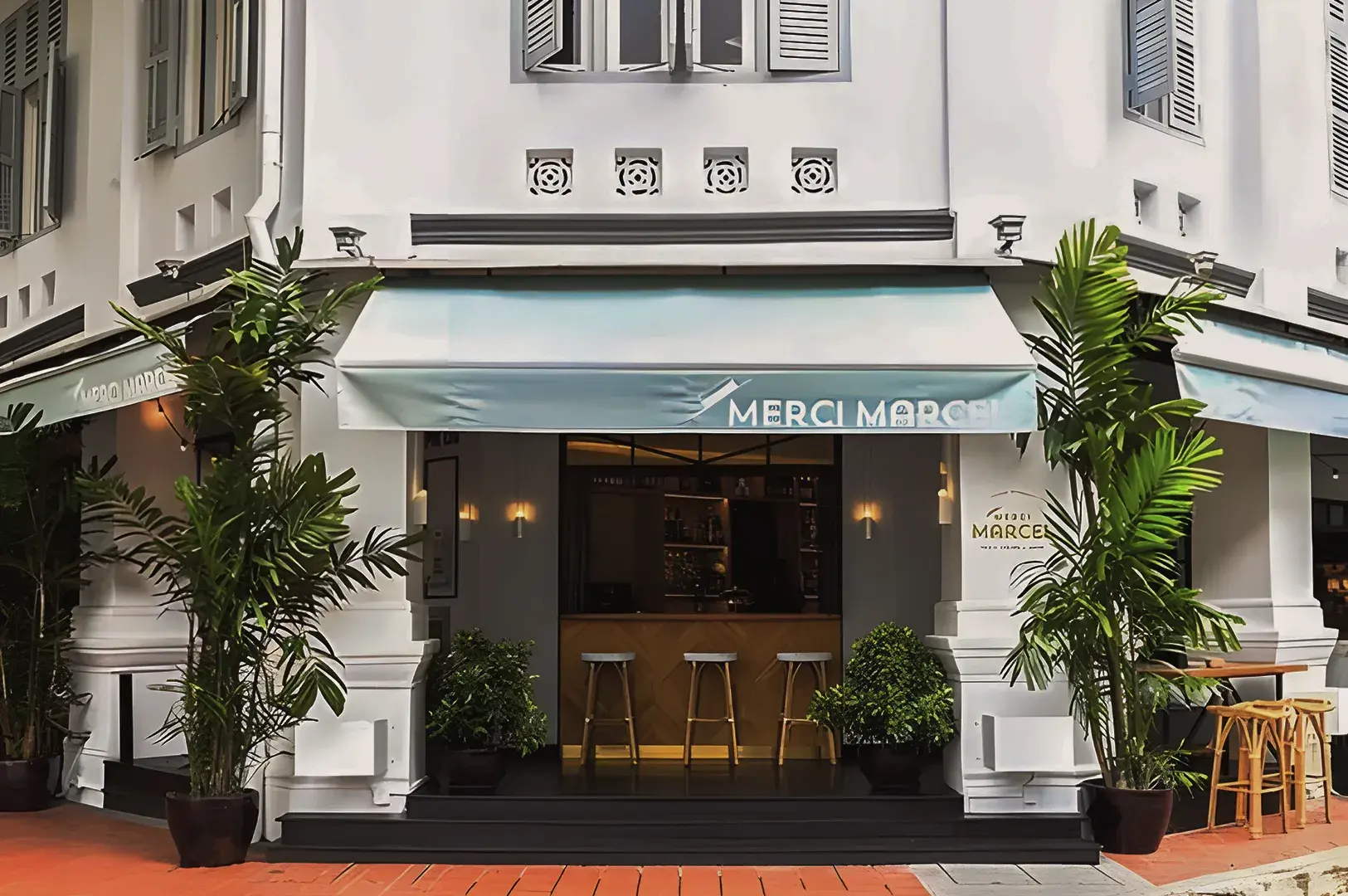
When the light softens, I’d end at Merci Marcel on Eng Hoon Street. It leans into the newer, more European side of Tiong Bahru — a relaxed spot for an unhurried dinner, small plates, a glass of wine, the day winding down around you.
It’s not the cheapest stop on this walk, and it’s a world away from the S$4.50 shui kueh you started with. But that’s rather the point. In one neighbourhood, over three slow days, you’ve eaten across generations of Singapore’s food story — from a market stall to a wine bar, without ever leaving these few streets.
Before You Go
You don’t need a big budget or a tight plan to eat well here. A morning built around hawker dishes costs almost nothing, and the café stops are where you spend a little more if you choose to.
What I’d take from all this is simple. Tiong Bahru’s food isn’t old or new — it’s both, on the same street, at the same time. The eating matters because it slows you down enough to notice that.
So come hungry, but not in a hurry. Start small at the market, walk the estate, let one good meal lead to the next. If you want to build a longer, slower trip around days like this, here’s a gentler way to plan a few unrushed days across the city without racing between attractions.
The food will be waiting. Take your time getting to it. That was always the point.