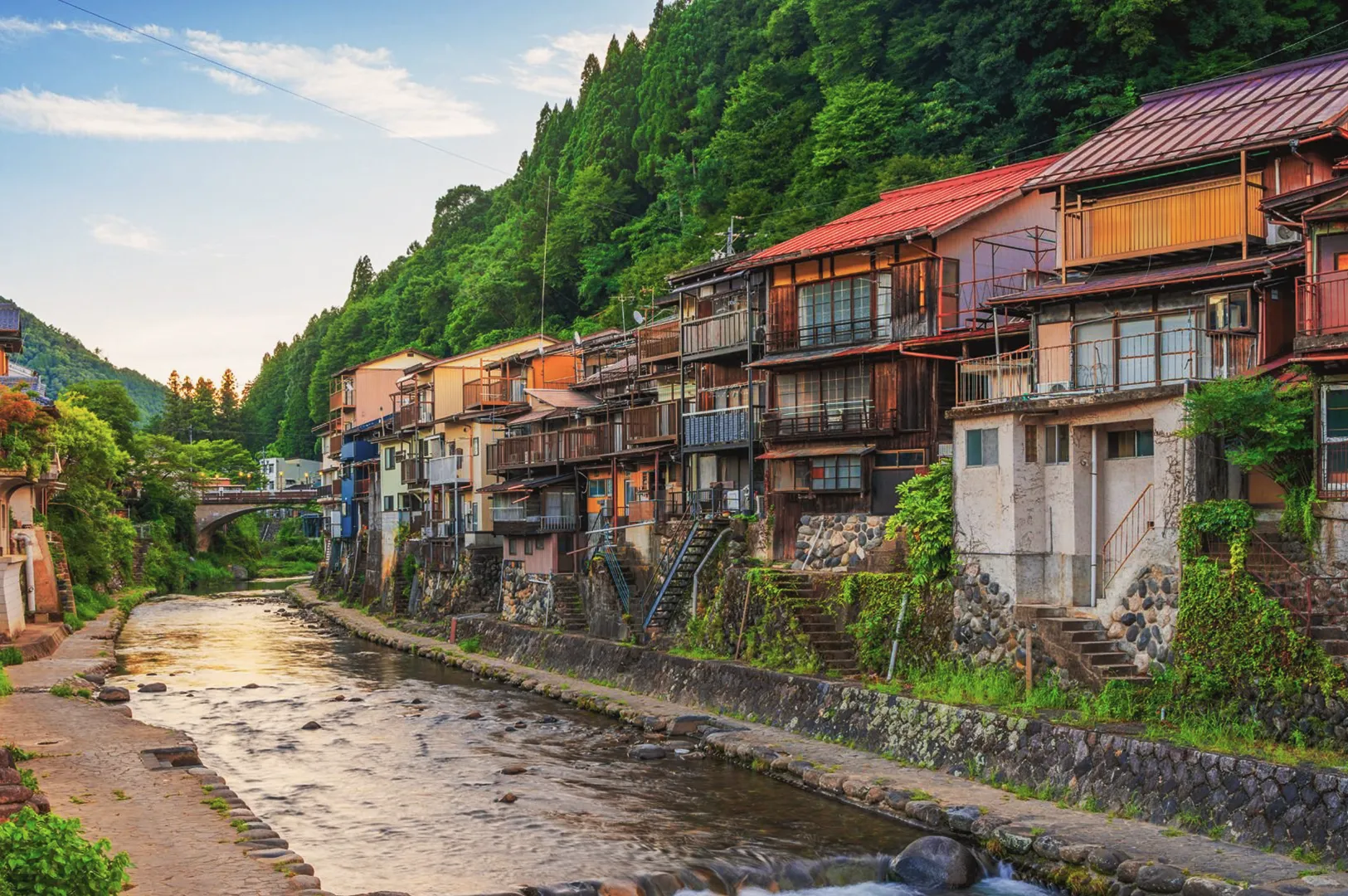
Japan has always been a place people dream about.
For many travellers, the first visit begins with a familiar list: Tokyo’s neon streets, Kyoto’s temples, Osaka’s food culture, Mount Fuji’s famous views.
And there is nothing wrong with wanting to experience these places.
But somewhere between the planning spreadsheets, train schedules, and endless recommendations, something often gets lost.
The feeling of simply being somewhere.
Japan is a country built around small moments. A quiet morning walk through a neighbourhood. The sound of a train arriving at a rural station. A bowl of ramen enjoyed slowly on a rainy evening.
These are the experiences that rarely make the top of a checklist, yet they often become the memories travellers carry home.
Japan is not difficult to explore. It is difficult to truly notice when you are moving too quickly.
Are You Seeing Japan, or Just Passing Through It?
Modern travel often creates the illusion that more places equal a better journey.
A few days in Tokyo.
A quick trip to Kyoto.
A night in Osaka.
A side trip squeezed between everything else.
The itinerary looks impressive, but the experience can feel strangely distant.
When every day is about reaching the next destination, there is little room to understand the place you are already in.
Slow travel asks a different question:
What if Japan was not something to complete, but something to experience?
Instead of trying to collect every famous sight, you begin noticing the details that make each place unique.
The small shops that have been serving the neighbourhood for decades.
The quiet streets behind major attractions.
The everyday rituals that continue long after tourists leave.
The Japan Beyond the Famous Route
The most meaningful moments in Japan are often found slightly away from the busiest paths.
It might be a small town where the streets become silent after sunset.
It might be a local bakery where residents stop every morning.
It might be a train journey where you watch landscapes change slowly outside the window.
These experiences cannot always be planned.
They happen when there is enough time to wander.
Japan rewards curiosity more than speed.
A traveller rushing between destinations may see more landmarks, but a slower traveller often notices more of the country itself.
Why Staying Longer Changes Everything
The first day in a Japanese city is usually about understanding.
You learn the train system. You find your way around. You adjust to the pace.
But after a few days, something shifts.
The streets become familiar.
You recognise the café near your accommodation.
You know where to buy breakfast.
You stop feeling like a visitor following directions and start feeling connected to the rhythm of the place.
This is where slow travel becomes meaningful.
It is not about doing nothing.
It is about creating enough space for experiences to become personal.
For travellers interested in building this kind of journey, our guide on how to travel slowly and intentionally explores the philosophy behind choosing depth over distance and creating trips that feel less rushed.
The Beauty of Returning to the Same Place
One of the quiet pleasures of travelling slowly is repetition.
The second visit to a neighbourhood feels different from the first.
A restaurant you discovered by chance becomes familiar.
A walking route becomes something you remember.
Small moments begin building a relationship with the destination.
Japan is especially suited to this style of travel because so much of its beauty exists in everyday life.
A seasonal flower appearing beside a quiet path.
A traditional craft being practiced by someone who has spent years perfecting it.
A simple meal prepared with care.
These moments are easy to miss when every hour is already planned.
Maybe Japan Was Never Meant to Be Finished
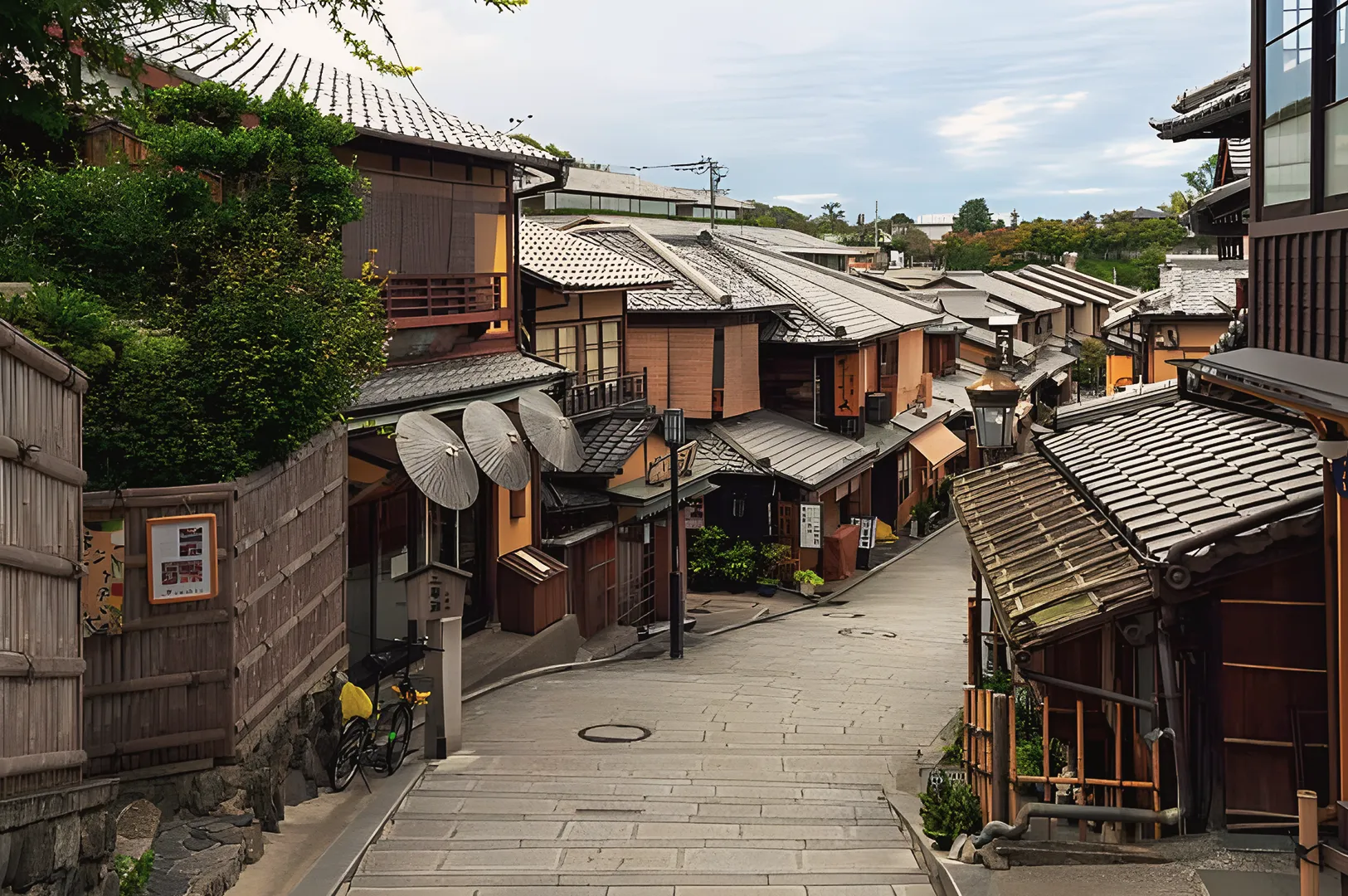
There will always be another temple.
Another town.
Another hidden café.
Another beautiful train route.
Japan cannot truly be completed — and perhaps that is what makes returning so rewarding.
The goal is not to leave knowing you have seen everything.
The goal is to leave with a handful of moments that stayed with you.
A conversation.
A quiet morning.
A street you discovered without searching.
Because the places we remember most are rarely the ones we rushed through.
They are the ones that gave us time to slow down.
And Japan, perhaps more than anywhere else, reminds us that travel is not only about where we go.
It is about how carefully we choose to experience it.