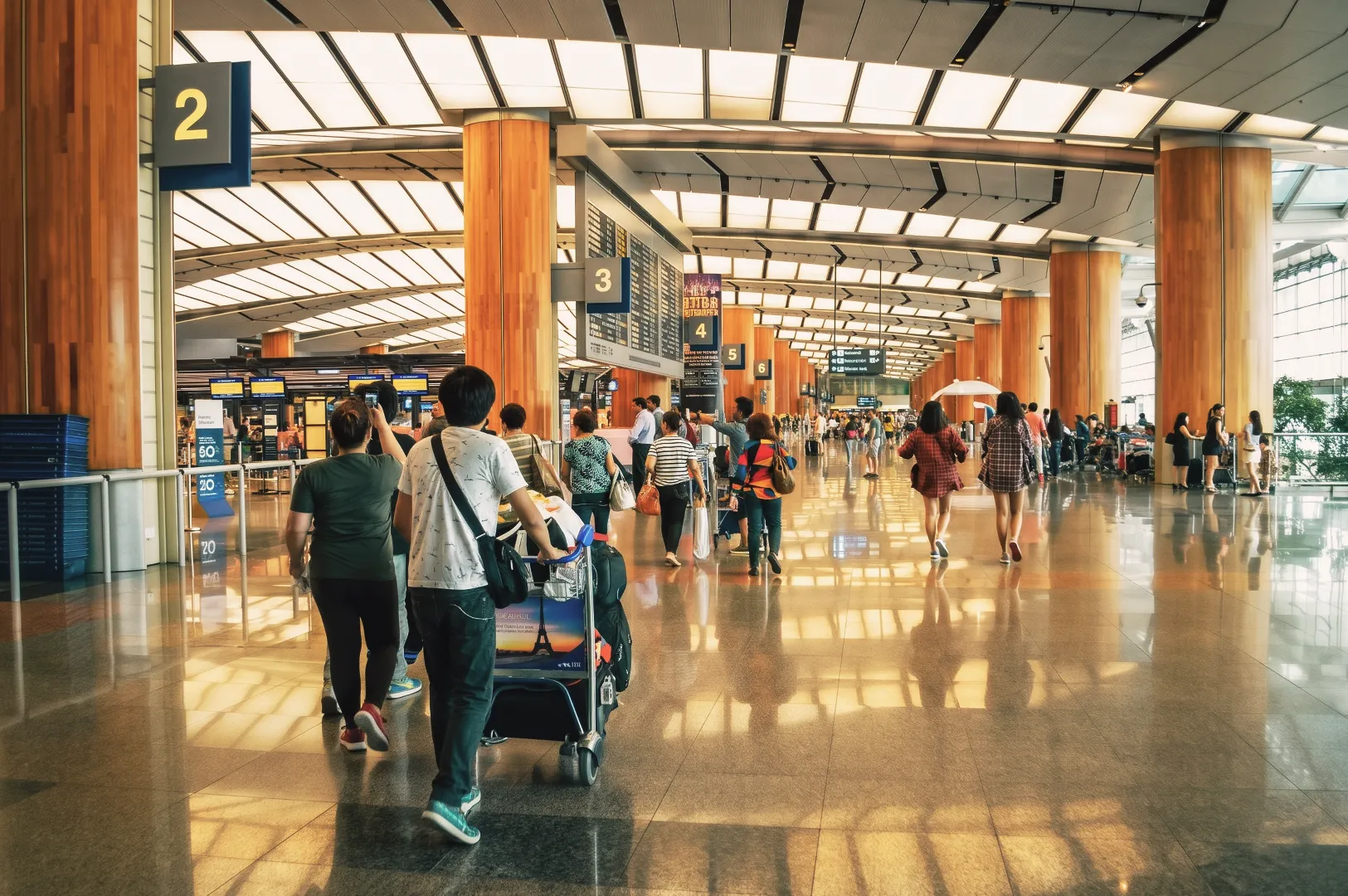
There is a strange contradiction at the heart of travel.
We spend money, time and energy crossing borders because we want to experience something different.
Then we arrive somewhere new and immediately look for things that feel familiar.
The coffee we know.
The food we recognise.
The hotel that feels like home.
The neighbourhood that reminds us of somewhere we’ve already been.
Maybe that isn’t a failure of travel. Maybe it’s part of what makes travel meaningful.
Because somewhere between unfamiliar streets and familiar comforts, we start noticing things differently.
What Are We Actually Looking For?
When people say they want to travel, they don’t always mean they want to see monuments.
Sometimes they want to feel anonymous.
Sometimes they want to walk through a city where nobody knows their usual routine.
Sometimes they simply want to wake up and have the day feel completely different.
That feeling can be difficult to find at home.
At home, we already know what comes next.
Travel removes some of that certainty.
And suddenly, even breakfast becomes an experience.
You don’t know which street to take.
You don’t know what the menu says.
You don’t know whether the place you’re walking towards is worth stopping for.
Curiosity becomes part of the day.
Why Does Food Matter So Much?
Perhaps because food gives travel a beginning.
You can understand a place through its architecture.
You can learn its history.
But food often introduces you to a destination without requiring you to understand it first.
You sit down.
You order.
You taste.
Then questions begin.
Why is it prepared this way?
Why do people eat it at this time?
Why does this dish remind you of something else?
That is where travel becomes more than sightseeing.
A meal can turn into a conversation about migration, family, tradition and memory.
Even in Singapore, where different food cultures sit remarkably close together, you can experience this feeling of travelling through a meal. If you’re looking for somewhere to begin, our guide to 10 restaurants to try at Cuppage Plaza is a reminder that sometimes the first step into a different experience is simply deciding where to eat.
Does Distance Actually Make a Trip Better?
Not necessarily.
A two-hour flight can feel more memorable than a twelve-hour one.
A weekend can change how you see a place.
A single afternoon can stay with you for years.
Distance is easy to measure.
Attention is harder to measure.
You can travel halfway around the world and barely notice where you are because you’re too busy following an itinerary.
Or you can spend an afternoon in one neighbourhood and remember the colour of the buildings, the smell of lunch and the sound of rain beginning outside a café.
The difference isn’t distance.
It’s presence.
Perhaps We Travel to Become Beginners Again
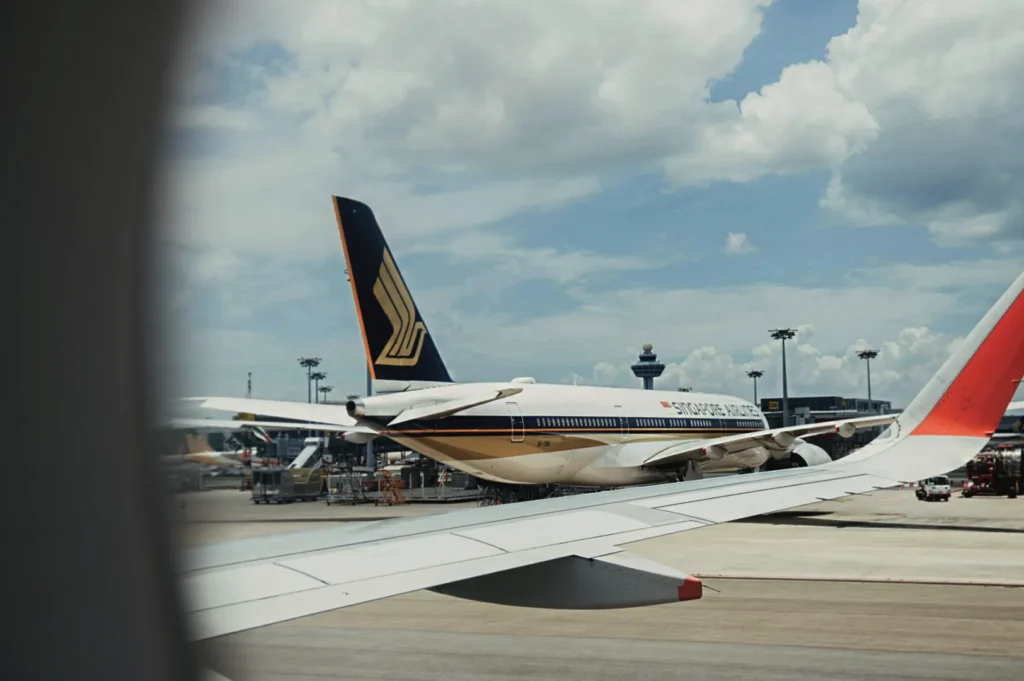
There is something wonderfully humbling about being somewhere new.
You don’t know the best route.
You don’t know which dish to order.
You don’t know what the local rhythm is yet.
For a little while, you are a beginner.
And being a beginner can be refreshing.
It forces you to look closely.
It makes ordinary things interesting.
It reminds you that the world is much larger than your own routines.
Maybe that’s why we travel.
Not simply to collect places.
But to recover our ability to notice them.
And perhaps the best trips aren’t the ones that take us furthest from home.
They’re the ones that teach us how to look at home differently when we return.